Inquiry
Form loading...

How to Choose the Best Construction Glue in 2026?

Choosing the best Construction Glue in 2026 starts with the materials, not the label. A strong adhesive for wood may fail on damp concrete, painted drywall, or smooth metal. Check the product’s approved substrates, cure time, temperature range, and stated load limits before buying. These details matter.

Jobsite conditions can change the answer. A bead applied in a cold garage may cure differently from one installed in a warm, dry room. Some formulas need porous surfaces; others bond better to clean, nonporous materials. Surface preparation is not glamorous, but dust, grease, and loose paint can weaken a joint. Small details count.

This guide explains how to compare adhesive types, match them to common projects, and read manufacturer instructions with care. It also covers application, clamping, ventilation, and the time needed before a joint can carry weight. Product claims are useful, but they are not a substitute for testing a small area or checking the technical data sheet. A “fast” adhesive can still mean more waiting when conditions are wrong. That is worth remembering. The best choice depends on the substrate, exposure, project demands, and your willingness to prepare surfaces properly. No single tube suits every repair. In 2026, a reliable decision comes from evidence, practical fit, and realistic expectations—not the biggest strength number on the package.
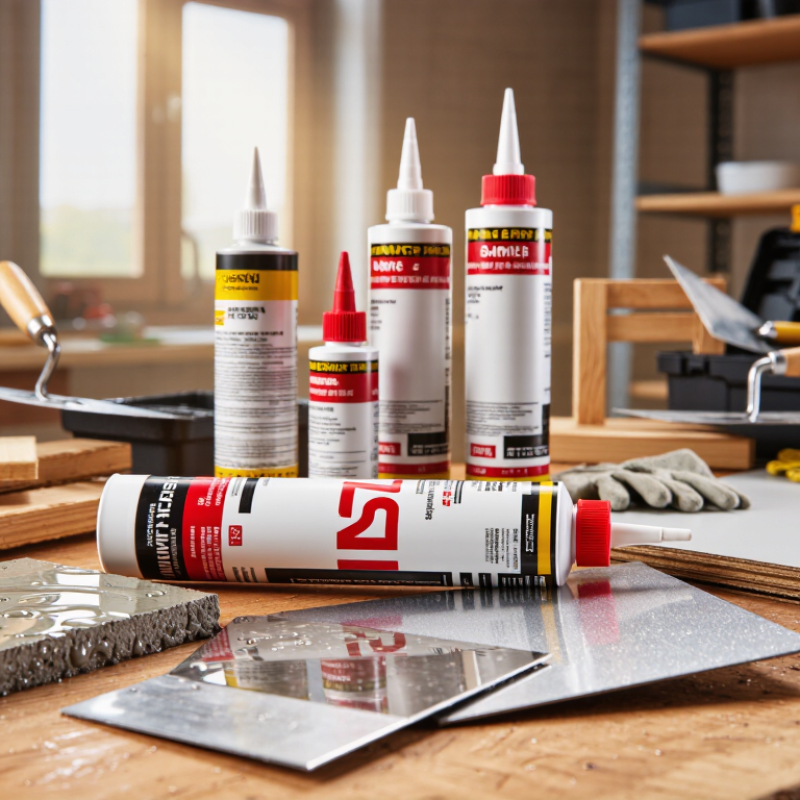
How to Choose the Best Construction Glue in 2026?

Define the Project Requirements and Materials

Before choosing construction glue, define what the joint must do. Will it hold trim, secure a stair tread, or bond a panel? Each task puts different stress on the connection. Note whether the materials are wood, concrete, metal, foam, or a mix. Check the product data sheet for approved surfaces; some adhesives can damage certain plastics or foam. Also consider moisture, temperature, vibration, and whether the joint will be visible. A garage wall and a heated bathroom are not the same environment.

Tips: Measure the gap and check how much time you have to position the parts. Some adhesives need close-fitting surfaces; others can bridge small gaps. Clean away dust, oil, and loose paint, then test on an offcut. Small details matter.

I have learned that a neat bead does not prove a strong bond. Surface preparation and clamping can matter just as much as the adhesive itself. Check the stated cure time, not only the initial grab time, and avoid loading the joint too early. If one material is porous and the other is smooth, confirm that the adhesive is rated for both. When requirements are unclear, pause and verify them rather than guessing. A small test joint may reveal a compatibility problem before the full assembly is at stake.
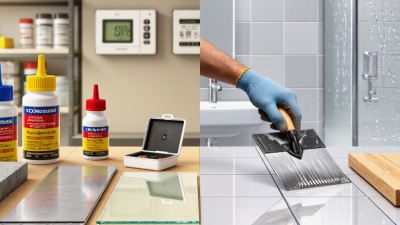
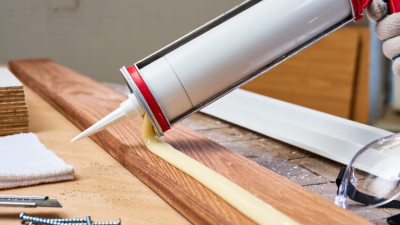
Compare Construction Glue Types and Their Bonding Properties

How to Choose the Best Construction Glue in 2026?

Compare Construction Glue Types and Their Bonding Properties

Construction glue is not one-size-fits-all. The right choice depends on the materials, the joint, and the conditions after installation. Water-based adhesives suit many porous surfaces, such as wood and drywall, and clean up easily before curing. They may struggle with nonporous materials or damp conditions. Solvent-based options often provide a quick initial grab, useful when a panel needs to stay put, but ventilation and surface compatibility matter.

Polyurethane adhesives can bond different materials and tolerate some movement and moisture. They typically need careful application and time to cure. Epoxy forms a strong, relatively rigid bond, making it useful for repairs or joining compatible hard surfaces. It is less forgiving if parts shift during curing. That matters. A strong adhesive can still fail on dusty concrete, oily metal, or a poorly fitted joint.

Check the product’s technical data for approved substrates, temperature range, open time, and full cure time. A bead that feels firm after an hour may not be ready for load. Test on a small area when finishes or unfamiliar materials are involved. I’d also question whether glue alone is appropriate for a heavy or safety-critical installation; mechanical fasteners may be needed. Choosing by strength rating alone is tempting, but it misses the real conditions at the bond line.

Check Strength, Curing Time, Weather Resistance, and Safety

How to Choose the Best Construction Glue in 2026?

Choose glue for the materials and loads involved, not just the strongest claim on the label. A small trim piece and a heavy wall panel need different support. Check whether the adhesive suits both surfaces, such as wood and concrete, and follow its stated application limits. Clean away dust, grease, and loose paint; even good glue struggles on a dirty surface. Test on a hidden area if the finish matters.

Curing time is not always the same as handling time. Some products feel firm quickly but need much longer before reaching full strength. Cold air, humidity, and thick beads can slow curing. For outdoor work, check the stated temperature range and resistance to rain, sunlight, and freeze-thaw cycles. Read the safety information, use gloves when advised, and ventilate enclosed spaces. I have found that rushing this step is tempting, but it can leave a joint weak.

Tips: Apply an even bead, press parts together as directed, and use temporary clamps if needed. Keep the joint dry during curing. Check the instructions again; it is easy to overlook one detail.

Match the Adhesive to the Surfaces and Working Conditions

How to Choose the Best Construction Glue in 2026?
Match the Adhesive to the Surfaces and Working Conditions

Choosing construction glue starts with identifying both surfaces. Porous wood and masonry absorb adhesive differently from smooth metal or sealed tile. Check the product’s technical data sheet for approved materials, gap-filling limits, and required surface preparation. Dust, paint, oil, or a damp film can weaken a bond. Clean, dry, and test a small area.

Working conditions matter just as much. The USDA Forest Products Laboratory’s Wood Handbook, FPL-GTR-282 (2021), reports wood equilibrium moisture content near 6% at 30% relative humidity and 20% at 90%, around 70°F. That swing can move wood and stress a rigid bond. For exterior joints, select an adhesive rated for the expected moisture and temperature, not merely the label “construction.” Check open time and cure time, too. A bead that skins over before a heavy panel is positioned can cause trouble. Slow curing is not always a defect. Site tests help, though one successful test cannot represent every season or surface. I’d verify the fit twice.

How to Choose the Best Construction Glue in 2026? - Match the Adhesive to the Surfaces and Working Conditions

Compare common adhesive chemistries by substrate, exposure, and project needs. Formulations vary, so confirm surface compatibility, application temperature, cure time, and service limits on the product’s technical data sheet before use.

Adhesive Type Good Surface Matches Working Conditions Typical Advantages Limitations to Check Best-Fit Applications
Polyurethane construction adhesive Many combinations of wood, concrete, masonry, and some metals; verify compatibility with plastics and coated surfaces. Some formulations tolerate damp conditions or exterior exposure after curing. Application and cure are affected by temperature and moisture. Can form a strong, durable bond and may accommodate some movement. Certain products are suitable for exterior use. Not every formulation bonds to every plastic or damp surface. Curing products may expand or foam; follow application instructions and use appropriate ventilation and protective equipment. Interior or exterior construction joints where the specified substrates and exposure are listed by the manufacturer.
Hybrid polymer (MS polymer) adhesive Commonly used on wood, concrete, masonry, and some metals; compatibility with plastics, paint, and specialty finishes is formulation-dependent. Available in formulations for indoor or outdoor use. Some products can bond to slightly damp surfaces, but standing water and wet-service conditions require explicit approval. Often flexible after curing and may be useful where bonded materials move. Some formulations are low-odor or contain no added solvent. Initial grab, cure speed, paintability, and water resistance differ by product. Thick beads may take longer to cure. Trim, panels, and mixed-material assemblies where flexibility and the stated exposure rating are important.
Solvent-based construction adhesive Often suited to wood, some metals, and selected building materials; check carefully before use on foam, plastics, or coated surfaces. Solvent evaporation is part of curing, so airflow and the adhesive’s specified temperature range matter. Keep away from ignition sources when required by the safety data sheet. Can provide strong initial grab and may bond some non-porous materials, depending on the formulation. Solvents can damage certain plastics or foam. Odor, ventilation, flammability, and cleanup requirements need attention. Projects where the listed substrates, ventilation, and handling conditions match the product instructions.
Water-based latex adhesive Typically best on porous materials such as wood, drywall, and some masonry; both surfaces may need to allow moisture to escape. Generally intended for dry, indoor conditions unless the label states otherwise. Low temperatures or limited airflow can slow drying. Usually easy to apply and clean up with water while wet; many formulations have lower odor than solvent-based products. Often unsuitable for continuously wet locations, non-porous-to-non-porous joints, or applications requiring rapid loading. Drying is not the same as curing. Interior trim, panels, and other porous-material projects with adequate drying conditions.
Two-part epoxy adhesive Can bond many metals, concrete, ceramics, and some plastics when the specific formulation is designed for those substrates. Mixing ratio, temperature, working time, and cure schedule are critical. Surfaces should be prepared as directed; many applications require clean, dry surfaces. Can develop high strength and good resistance to chemicals or moisture after full cure, depending on the formulation. Requires accurate mixing and has a limited working time. Some epoxies are rigid and may be unsuitable for joints with significant movement. Small, high-strength repairs or assemblies where the substrate and service conditions are specifically supported.
Contact adhesive Often used for laminates and other sheet materials on compatible, relatively smooth surfaces; check substrate and facing-material instructions. Usually applied to both surfaces and allowed to become tacky before joining. Open time, ventilation, and temperature depend on the formulation. Can provide a fast bond over broad contact areas with little or no clamping after proper positioning. Many contact adhesives allow limited repositioning once surfaces touch. Solvent-based versions may require strong ventilation and have material restrictions. Countertop laminates, veneer, and similar flat-sheet applications when the adhesive is approved for both materials.
Subfloor adhesive Designed for specified wood subfloor components, such as plywood or oriented strand board, and compatible framing materials. Use within the stated temperature and moisture limits. Follow bead size and panel-installation instructions; do not assume every product is suitable for exterior exposure. Can help reduce squeaks and improve the connection between subfloor panels and supports when installed correctly. Not a universal panel adhesive. Compatibility with treated lumber, panel coatings, and wet-service conditions must be checked. Subfloor-to-joist or panel-to-framing bonds on projects that follow the adhesive and building-system specifications.
General selection and preparation checklist Identify every surface in the joint, including coatings, sealers, treated materials, and dissimilar substrates. Check indoor or outdoor exposure, moisture, expected temperature range, ventilation, cure time, and whether the joint will carry a load. Matching the adhesive to both substrates and the service environment improves the chance of a durable bond. Remove dust, grease, loose material, and incompatible coatings as directed. Do not substitute adhesive for mechanical fasteners where codes or structural requirements call for them. Use the technical data sheet and safety data sheet to confirm suitability, preparation, application, cure, and safe handling.

Test Compatibility and Select the Best Option for 2026

Choosing construction glue starts with checking what it must bond. Read the product label for both materials, such as timber to concrete or metal to masonry. A glue that grips one surface may fail on another, especially if the surface is dusty, painted, damp, or uneven. Check the stated working temperature, indoor or outdoor use, and curing time. These details are practical limits, not small print to skip.

Test compatibility before committing to a large job. Clean a small area as directed, apply a modest sample, and follow the specified curing period. Then inspect the bond for gaps, soft spots, or lifting edges. Small tests reveal surprises. I have seen careful-looking surfaces behave differently once moisture or surface coatings entered the picture. That first test is not perfect, either; a small sample may not reproduce the pressure or movement of a full installation. Still, it can expose an obvious mismatch early.

Compare options by the conditions they are rated for, not by a broad claim like “strong hold.” For a heavy fixture, confirm the instructions cover the load and substrate, and use suitable mechanical support when required. Note the application temperature and open time, too. A glue that skins over before parts are aligned can create a weak joint. Keep a record of the surface preparation, test result, and cure time. It makes the final choice easier to explain—and easier to reconsider if the bond behaves unexpectedly.