Inquiry
Form loading...

Top High Performance Liquid Nails Suppliers?

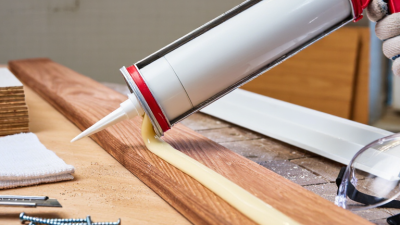
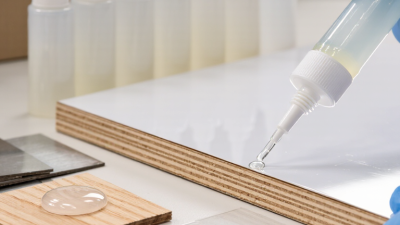
Choosing reliable High Performance Liquid Nails suppliers requires more than comparing prices or colorful product catalogs. Contractors, manufacturers, and distributors need dependable bonding strength, consistent curing, and clear technical documentation. A strong supplier should explain product limits, suitable substrates, application temperatures, and storage conditions without vague promises.

This guide examines suppliers through practical evidence. It considers technical data sheets, safety documentation, batch traceability, packaging quality, and customer support. Real performance often appears in small details. A cartridge should dispense smoothly, form a stable bead, and maintain adhesion after curing. Independent testing and credible customer feedback can strengthen a supplier’s claims.

No supplier is perfect. A polished website may still hide limited after-sales support or unclear warranty terms. That matters. Buyers should compare cure times, moisture resistance, gap-filling ability, and compatibility with wood, metal, masonry, and selected plastics. They should also confirm regional compliance requirements before purchase. A supplier’s response to technical questions can reveal its actual expertise.

The following overview highlights companies that demonstrate consistent product quality, transparent information, and dependable distribution. It does not treat marketing language as proof. Instead, it encourages careful comparison using project conditions and measurable requirements. The best choice may not be the cheapest option. It should be the supplier that delivers predictable results from the first cartridge to the final installation.
Top High Performance Liquid Nails Suppliers?

Liquid Nails Explained: Chemistry, Types, and Professional Applications

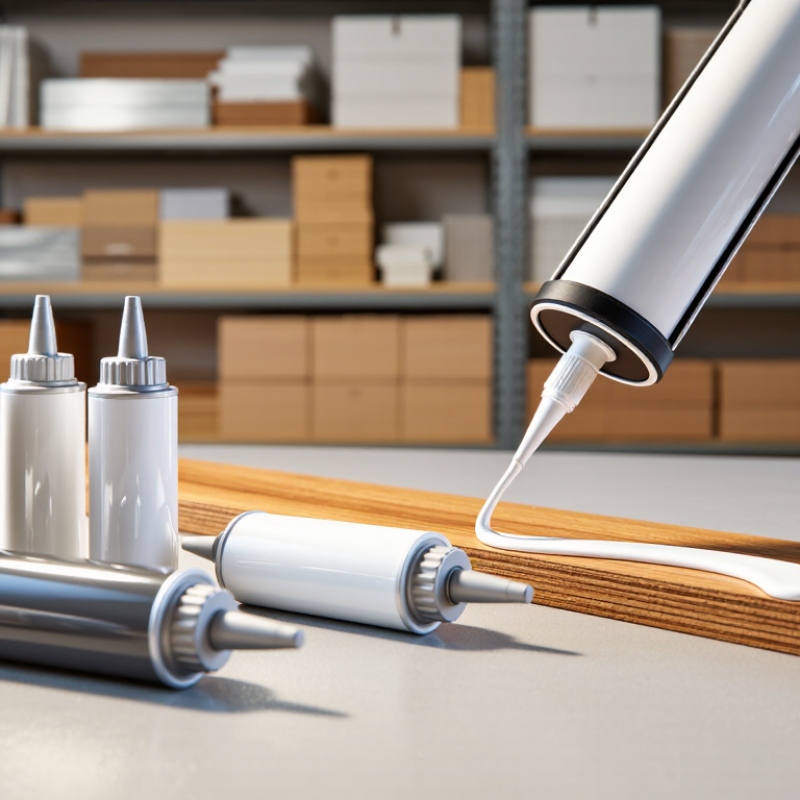
Liquid nails are construction adhesives designed to bond materials without traditional fasteners. Their chemistry determines strength, flexibility, curing speed, and moisture resistance. Water-based acrylic formulas are easier to clean and often suit porous indoor surfaces. Solvent-based formulas can offer stronger initial grab, but they require careful ventilation and compatible substrates. Hybrid polymer adhesives balance flexibility with durable weather resistance.

The adhesive forms a film as water or solvent leaves the joint. Some reactive formulas cure through moisture in the air. Temperature and humidity can change this process. A cold garage may slow curing significantly.

Dust, oil, and loose paint can weaken adhesion, even when the adhesive is high quality. I usually clean both surfaces, apply controlled beads, and test a small area first.

Professional installers select products by substrate and load, not by marketing claims alone. Paneling, trim, masonry, metal, and foam can each require different chemistry. A flexible bead helps when two materials expand at different rates. Heavy panels may still need temporary bracing during cure.

Always check the technical data sheet for open time, service temperature, gap limits, and ventilation requirements. My field notes are not always tidy, and one mistake remains common: applying too much adhesive. Extra material can extend curing and create uneven contact.

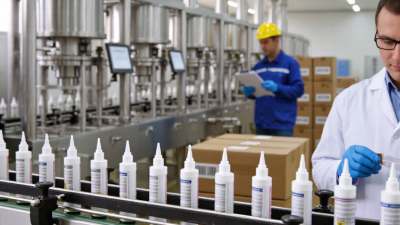
A reliable supplier should provide traceable batches, clear safety information, and consistent technical support.
Top Suppliers: PPG, Henkel, Sika, 3M, Bostik, and H.B. Fuller

Choosing a high-performance liquid nails supplier requires more than comparing adhesive strength. Leading global suppliers support construction, transportation, cabinetry, and industrial assembly. Their products may offer strong initial grab, flexible curing, and resistance to moisture, heat, or vibration. Experienced buyers should request technical data sheets and real application samples. Laboratory claims matter, but jobsite behavior matters more. I have seen adhesives perform well on clean metal yet fail on dusty masonry. Surface preparation changes everything.

The strongest suppliers provide several formulations, not one universal product. Some grades suit porous wood, while others bond painted panels, concrete, or coated metals. Check open time, cure speed, gap-filling ability, and cartridge compatibility. Reliable manufacturers also explain storage limits and batch traceability. Ask about testing standards, warranty conditions, and technical support response times. These details reveal operational maturity. Still, no supplier is perfect. One product may cure slowly in cold weather, despite excellent laboratory results. That weakness should appear in trial notes, not disappear in marketing language.

Tips: Clean both surfaces and remove loose dust. Run a small bond test for 24 to 72 hours. Record temperature, humidity, bead size, and failure mode. Compare suppliers under identical conditions. Do not judge adhesion by early grab alone. Review packaging quality, nozzle design, and shelf life. A convenient cartridge can reduce site waste, but only if its seal remains dependable.

High-Performance Liquid Nails: Category Benchmark

The chart presents a supplier-neutral benchmark of key performance dimensions commonly specified for high-performance construction adhesives. Scores are normalized on a 0–100 scale from publicly available technical-data-sheet terminology and industry test categories; they are not company or brand rankings.

Higher scores indicate stronger relative performance for the specified property. Actual results vary by substrate, curing conditions, joint design, and test method.

Performance Benchmarks: ASTM C557, Shear Strength, Cure Time, and VOCs

Top High Performance Liquid Nails Suppliers?

High-performance liquid nails suppliers should provide evidence beyond polished sales language. Ask for current technical data sheets, safety documents, and batch-level test records. ASTM C557 is a useful reference for adhesive performance on gypsum wallboard applications. However, compliance should match the intended substrate and installation method. A laboratory result does not automatically predict jobsite behavior.

Shear strength deserves careful comparison. Check the test temperature, curing period, surface preparation, and loading direction. A value measured after seven days may not represent a panel moved after two hours. Cure time also changes with humidity, temperature, bead size, and material porosity. On a cold, damp site, the adhesive may remain soft longer than expected. Measure it under realistic conditions.

VOCs need equal attention. Request tested emissions data, not only a low-odor claim. Content limits and chamber results are different measurements. Confirm the applicable regional requirements before approving a supplier. In field evaluations, I prefer suppliers that explain test limitations clearly. That honesty matters. My own screening can be imperfect, especially when substrates vary between projects. Small plywood samples may cure faster than dense, painted surfaces. Keep witness samples, record ambient conditions, and compare failures rather than only peak strength.

Compliance Standards: SCAQMD Rule 1168, ISO 9001, SDS, and Testing Data

Top High Performance Liquid Nails Suppliers?

A high-performance liquid nails supplier should prove compliance, not merely claim strength. Ask whether its adhesive fits SCAQMD Rule 1168 limits for the intended product category. Request the measured VOC value, test method, and date of evaluation. A vague “low-VOC” label is not enough.

ISO 9001 certification can show controlled manufacturing procedures. However, certification does not guarantee excellent bonding on every surface. Check its certification scope, production records, batch traceability, and complaint process. An experienced supplier should provide a current Safety Data Sheet with hazard information, handling guidance, storage conditions, and emergency details. Review the revision date carefully. Old SDS files create avoidable uncertainty.

Testing data should reflect real installation conditions. Look for bond strength, shear resistance, peel strength, open time, and curing results across temperature and humidity ranges. Tests on clean laboratory steel may not represent painted drywall, masonry, or damp timber. Ask for substrate preparation details and sample batch numbers. I have seen impressive charts fail when installers skipped surface cleaning. That weakness matters. A reliable supplier welcomes independent verification and explains unusual results instead of hiding them. Sometimes the data is incomplete. That should trigger more questions, not immediate rejection.

Supplier Selection: Substrate Compatibility, 300–600 mL Packs, Cost, and Supply

Choosing a High-Performance Liquid Nails Supplier

Choosing a high-performance liquid nails supplier requires more than comparing cartridge prices. The adhesive must match the substrate, joint movement, moisture level, and installation temperature.

On painted drywall, strong initial grab may matter most. On sealed timber or metal, surface preparation becomes more important. Ask suppliers for technical data, cure times, coverage, and primer recommendations. Request samples, then test them on actual panels. Laboratory claims can look convincing. Jobsite results may differ.

Pack Size Pack size affects labor and waste. A 300 mL cartridge suits small repairs and reduces opened-product loss. A 600 mL pack can improve output on long runs, especially with compatible dispensing equipment. Confirm nozzle design, tooling requirements, storage life, and carton dimensions.

We once underestimated handling space for larger packs. That mistake slowed a busy installation. Small details matter.

Cost should include labor, waste, freight, and failed applications. The cheapest unit price may become expensive after rework. Compare delivered cost per usable meter, not merely cost per cartridge.

A reliable supplier should provide batch consistency, clear lot tracking, responsive technical support, and realistic lead times. Check safety documentation and storage instructions before approval. Ask about substitute formulations during shortages, but never accept an untested replacement. Availability promises need evidence. Review delivery records, minimum order quantities, and contingency stock. Be practical, and leave room for doubt.