What Is Construction Adhesive Used For?
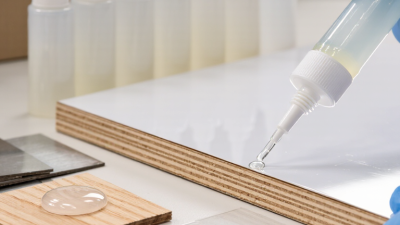
Construction Adhesive is a practical bonding material used in building, renovation, and repair work. It can secure trim, paneling, drywall, flooring, molding, and selected masonry surfaces. Unlike ordinary glue, it is designed to handle heavier materials and changing conditions. A tube placed in a caulking gun can create a continuous bead along a wall panel. That bead spreads pressure across the surface. It also reduces the need for numerous nails or screws in suitable applications.
The right product depends on the materials, surface condition, and expected load. Experienced contractors check whether the adhesive suits wood, concrete, metal, foam, tile, or painted surfaces. They also consider moisture, temperature, movement, and curing time. Clean, dry, stable surfaces usually produce better results. Follow the manufacturer’s instructions carefully. Ventilation and basic protective equipment also matter during application. Construction Adhesive is not a universal substitute for mechanical fasteners. Heavy shelves, structural components, or safety-critical installations may require approved fixings and professional evaluation. That distinction is easy to overlook. Repairs can fail because dust remains behind the panel. A strong adhesive cannot compensate for poor preparation. It is tempting to assume that a thicker bead means a stronger bond, but that can slow curing and weaken contact. This guide explains common uses, selection factors, application methods, and practical limitations. It also acknowledges an important truth: product labels can be confusing, and real job-site conditions rarely match ideal examples. Careful testing on a small area can prevent expensive mistakes.
Definition and Basic Function of Construction Adhesive
What Is Construction Adhesive Used For?
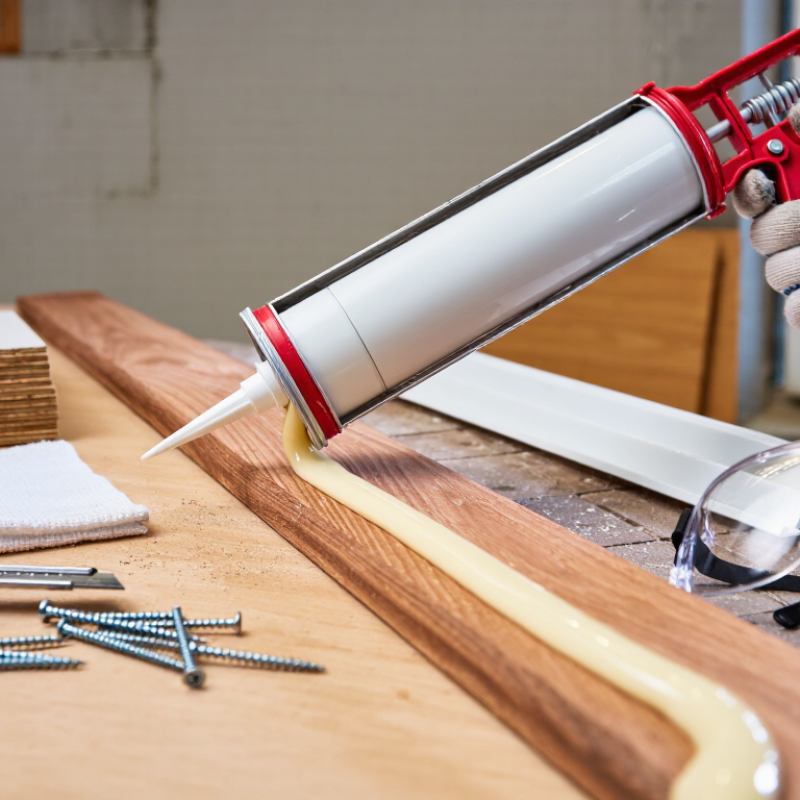
Construction adhesive is a strong bonding material designed for building and repair work. Its basic function is simple: it joins two surfaces and helps keep them together after curing. Unlike ordinary craft glue, it is made to handle heavier materials, movement, moisture, and changing temperatures.
It can bond wood, drywall, concrete, masonry, metal, and some plastics, depending on its formulation. People use it for attaching trim, securing wall panels, fixing subfloor materials, and reducing small gaps between uneven surfaces. The adhesive spreads stress across a wider area. That can limit movement, squeaking, and minor vibration. It is not always a replacement for screws, nails, or other mechanical fasteners.
Surface preparation matters more than many beginners expect. Dust, grease, loose paint, and moisture can weaken the bond. A clean, stable surface usually gives better results. Apply consistent beads, press the materials together, and allow enough curing time. The bond may feel firm before it reaches full strength.
A common mistake is using one adhesive for every material. That approach seems convenient, but it can fail. Some products need dry surfaces, while others tolerate limited moisture. Some remain flexible; others cure harder. Always check the product’s technical instructions, coverage limits, and temperature range before starting. Even then, real surfaces are rarely perfect, so testing a small hidden area is a sensible step.
Common Materials and Surfaces It Can Bond
What Is Construction Adhesive Used For?
Construction adhesive bonds many common building materials to suitable surfaces. It is often used with wood, drywall, concrete, masonry, ceramic, metal, and some plastics. The right formula depends on the material and the expected load. A product that grips wood may perform poorly on smooth metal.
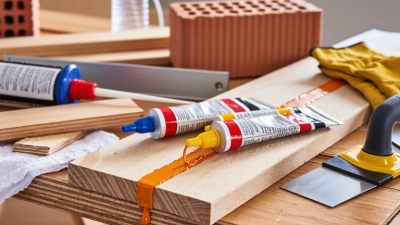
Wood trim can attach to painted walls, studs, or subfloors. Drywall panels may bond to clean framing or masonry when mechanical fasteners are difficult to use. Adhesive can also secure baseboards, stair parts, insulation panels, and decorative molding. On concrete, remove dust and loose grit first. Otherwise, the adhesive may hold the dirt instead of the surface.
Surface preparation matters greatly. The area should be stable, clean, and compatible with the adhesive. That matters. Moisture can weaken some bonds, while excessive dryness may slow curing. Rough surfaces often provide better grip than glossy paint. Lightly abrading a smooth area can help, but it may damage a finished surface.
Not every plastic bonds reliably. Flexible materials can move after curing and pull the bond apart. I have found that applying too much adhesive creates a weak, slow-curing layer rather than extra strength.
A small test area can reveal staining, poor adhesion, or surface damage. Construction adhesive is not always a replacement for screws or other support, especially with heavy materials overhead. Follow the curing time, temperature range, and ventilation guidance printed on the container.
Main Construction Applications and Suitable Project Types
Construction adhesive is used to bond building materials where nails, screws, or welding are impractical. Common applications include wall panels, flooring, insulation boards, trim, roofing components, and prefabricated assemblies. It can also reduce surface movement and distribute stress across a wider bonding area.
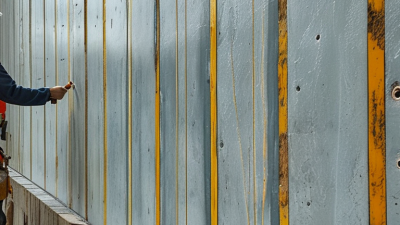
For interior projects, adhesive works well with drywall, wood, ceramic tiles, laminate, and acoustic panels. A renovation team may use it to secure a skirting board against an uneven wall, or fix a flooring transition without visible fasteners. Exterior construction demands more care. Facade panels, concrete elements, and insulation systems need products tested for moisture, temperature changes, and movement. The Global Construction Perspectives report expects continued growth in construction activity through 2030, while Grand View Research valued the construction adhesives market at approximately USD 10 billion in 2023. These figures reflect wider demand, not proof that every adhesive suits every site.
Project type should guide the choice. Residential repairs often need quick grab and low odor. Commercial interiors may prioritize fire performance, acoustic control, and long-term durability. Heavy construction requires verified load data and compatibility testing. ASTM testing can help confirm strength and environmental resistance, but laboratory results do not perfectly copy dusty concrete or cold steel. That gap matters. Surface preparation is still critical: remove loose dust, check moisture, and allow curing time. I have seen failures blamed on weak adhesive when the real problem was poor contact. Even strong products cannot rescue a contaminated surface.
How to Select and Apply Construction Adhesive Safely
Construction adhesive is used to bond wood, drywall, panels, trim, insulation, masonry, and other building materials. It can reduce visible fasteners and help distribute stress across a wider surface. A 2024 market analysis by Grand View Research estimated the global construction adhesives market at more than USD 10 billion in 2023, showing how common these products have become. However, popularity does not guarantee a suitable result.
Selecting the right adhesive starts with the substrate, load, moisture, temperature, and curing time. Read the technical data sheet and Safety Data Sheet before opening the tube. Choose a formulation approved for porous, nonporous, indoor, or outdoor surfaces. The U.S. Environmental Protection Agency identifies volatile organic compounds as contributors to indoor air concerns, so ventilation matters, especially in small rooms. Wear chemical-resistant gloves and eye protection. Keep the nozzle away from skin. I once applied too much adhesive to a narrow trim piece; it expanded, shifted the panel, and created extra cleaning work. More is not always stronger.
Tips: Clean dust and grease first. Test a hidden area. Apply continuous beads, not thick piles. Press both surfaces firmly, then support them during curing. Check the manufacturer’s stated open and cure times. Never rely on touch alone; the surface may feel dry while the bond remains weak. Dispose of unused material according to local waste guidance. A 2023 safety review from the National Institute for Occupational Safety and Health also supports using ventilation and exposure controls before depending only on personal protective equipment.