Top Clear Construction Adhesive Options for Global Buyers?
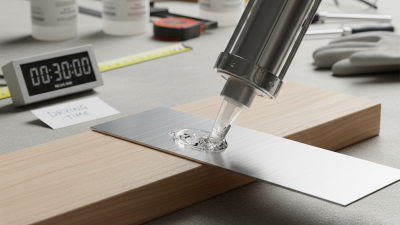
Selecting the right Clear Construction Adhesive is crucial for successful projects across various industries. These adhesives offer transparency and strength, making them ideal for a range of applications. Whether you are in construction, crafting, or repairs, understanding your options can lead to better results.
Many global buyers seek reliable and high-quality solutions. However, not all adhesives are created equal. The market is flooded with choices, and selecting the best one may feel overwhelming. It's essential to consider the specific needs of your project. Factors such as bonding strength, drying time, and environmental conditions can greatly influence your decision.
As you explore options for Clear Construction Adhesive, reflect on your unique requirements. You might find that some products work well in certain scenarios, while they fail in others. This ongoing evaluation will enhance your understanding and help you make more informed choices. Ultimately, the right adhesive can make a significant difference in the quality and durability of your work.
Overview of Clear Construction Adhesives in Global Markets
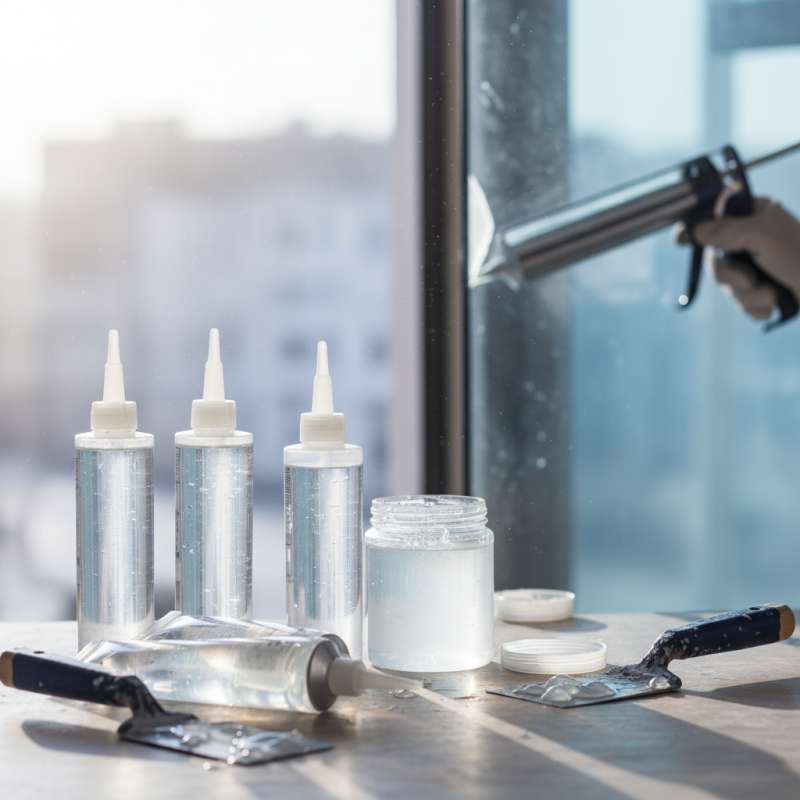
Clear construction adhesives play a vital role in various industries globally. They are essential for bonding materials like glass, metal, and wood. These adhesives offer a balance between strength and transparency. Users often seek products that ensure a robust bond without visible traces.
While many options exist, choosing the right clear adhesive can be challenging. Different formulations may perform better under specific conditions. For instance, some adhesives are ideal for high-temperature applications, while others excel in damp environments.
Constant innovation in adhesive technology means new products frequently appear. However, this leads to confusion about the best choice for individual projects.
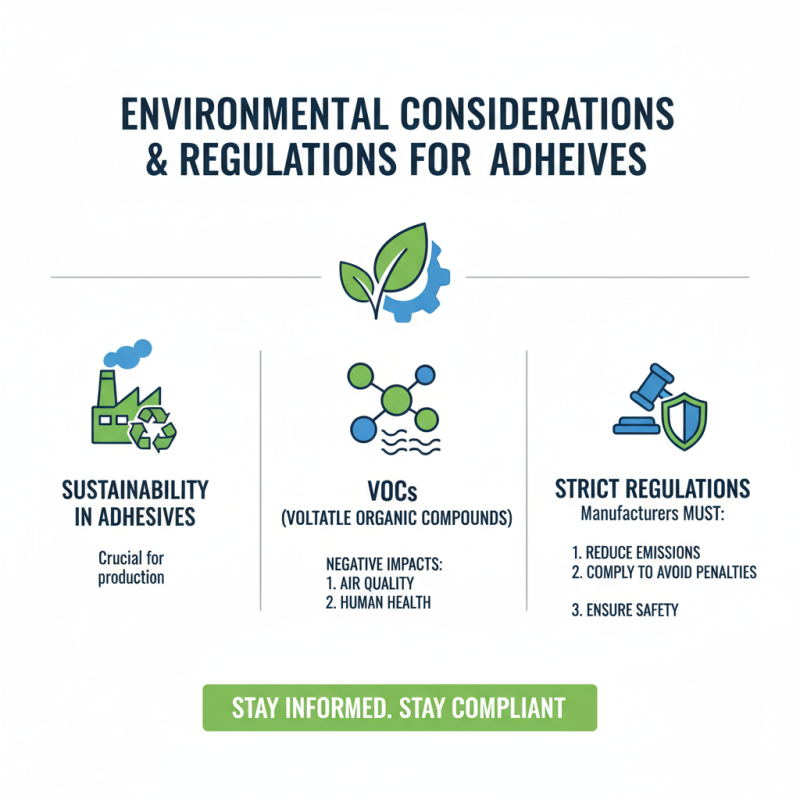
Global buyers must consider local availability and environmental impact. Some adhesives contain harmful solvents, raising health concerns. Sustainable options are becoming more popular, but they may not provide the same performance as traditional adhesives.
Therefore, professionals need to test products rigorously before making a commitment. Understanding the specific requirements of a project is crucial for success. This process may include evaluating adhesion strength and curing time.
Key Properties to Consider When Selecting Clear Adhesives
When selecting clear construction adhesives, several key properties should be carefully considered. The adhesive's bond strength is paramount. A strong bond ensures durability and longevity in various applications. Evaluating how it performs under stress is crucial. Clear adhesives often find use in both indoor and outdoor settings, stressing the need for weather resistance.
Another property to reflect on is drying time. Quick-setting adhesives offer convenience. However, slow-drying options give more time for adjustments. The clarity of the adhesive affects the final aesthetic, especially in visible areas. Transparency and consistency mean a better finish without unsightly bubbles.
Furthermore, consider the ease of application. Some adhesives come in user-friendly tubes or containers. Others might require special tools. Reflect on your skill level and project requirements. Safety features such as low odor or non-toxic formulations should also be on the radar. This holistic approach ensures you choose an adhesive that truly meets your needs, balancing performance and practicality.
Top Brands Offering Clear Construction Adhesives Worldwide
When searching for top brands offering clear construction adhesives, buyers need to consider various factors. Quality and effectiveness are crucial. A trusted adhesive should bond materials securely, even in challenging conditions. Many brands have gained recognition for their reliable products. Some emphasize durability. Others focus on ease of use.
One must evaluate the application methods. Some adhesives come in tubes, while others may use spray applications. The choice affects precision and efficiency. Clear adhesives offer an advantage as they provide a seamless appearance. This is essential for projects that prioritize aesthetics.
While numerous options exist, not all are suitable for every task. Customers must assess their specific needs. Reading reviews and gathering user experiences can provide insights. It's vital to recognize that what works well for one project may falter in another. Keeping an open mind about various brands leads to better choices.
Top Clear Construction Adhesive Options for Global Buyers
| Adhesive Type |
Setting Time |
Temperature Resistance |
Application Surface |
Container Size |
| Polyurethane Adhesive |
24 hours |
-40°F to 200°F |
Wood, Metal, Concrete |
500ml |
| Silicone Adhesive |
1-2 hours |
-60°F to 400°F |
Glass, Metal, Plastics |
300ml |
| Acrylic Adhesive |
10-20 minutes |
-20°F to 150°F |
Wood, Metal, Fabric |
250ml |
| Epoxy Adhesive |
30-60 minutes |
-50°F to 300°F |
Metal, Wood, Brick |
400ml |
| Construction Adhesive |
24 hours |
-20°F to 120°F |
Wood, Concrete, Styrofoam |
300ml |
Applications and Use Cases for Clear Construction Adhesives
Clear construction adhesives have a wide range of applications. They are commonly used in woodworking, home repairs, and building projects. According to a recent industry report, the global market for construction adhesives is expected to reach $15 billion by 2027, reflecting their increasing popularity.
In woodworking, clear adhesives offer a clean finish. They bond dissimilar materials like wood, metal, and glass. This versatility makes them ideal for furniture assembly and repairs. However, not all applications are foolproof. Some adhesives may not perform well in extreme temperatures, leading to bond failures.
In the construction sector, these adhesives are used for flooring and panel installations. Their UV resistance allows for outdoor use. Yet, professionals often find that moisture can weaken bonds over time. Reflecting on the right choice for specific projects is crucial. Proper surface preparation and understanding the adhesive's limitations are essential for success.