Inquiry
Form loading...

What Is the Best Fast Grab Adhesive in 2026?

In 2026, the best Fast Grab Adhesive is not simply the product that grips fastest on a showroom sample. It is the one that holds the intended materials, suits the working conditions, and leaves enough time for accurate placement. A bead on a clean, dry wall may behave very differently from one on dusty brick or painted wood. Small details matter.

Polymer scientist Dr. Mark D. Soucek’s materials-focused work supports a practical principle: match adhesive chemistry to the surfaces and conditions. That is a paraphrase, not a verbatim quotation. It is a useful check on bold package claims. “Fast” can mean strong initial tack, not full cure or maximum load capacity. Those are different measures. A rushed choice can slip.

This guide compares fast-grab options by substrate compatibility, initial hold, working time, application temperature, and curing behavior. It also considers whether a product is suited to interior or exterior use, and whether temporary bracing remains necessary. Manufacturer instructions and product data sheets should guide the final selection; project conditions can change results. No single adhesive wins every job. Some details are easy to overlook, especially surface preparation and the weight being supported. We will look at the trade-offs, explain what product claims do—and do not—tell you, and identify the questions worth asking before opening the cartridge.
What Is the Best Fast Grab Adhesive in 2026?

What Fast Grab Adhesive Is and How It Works

Fast grab adhesive is designed to hold materials in place soon after contact, reducing the need for prolonged bracing. It usually combines a thick, gap-filling formula with strong initial tack. The adhesive grips as the bead is pressed between surfaces, then develops strength as its carrier evaporates or its chemistry cures.

Initial hold is not the same as full cure. That distinction matters.

On a job, a bead may keep a wall panel from slipping while the installer works. But dust, paint, moisture, temperature, and bead size can change the result. Clean, compatible surfaces help; heavy or overhead pieces may still need temporary support.

Check the product’s technical data sheet for open time, cure conditions, and suitable substrates. “Fast grab” has no single universal performance meaning, so compare test conditions, not just label claims.

$1.98 trillion in U.S. construction spending during 2023

The U.S. Census Bureau reported roughly $1.98 trillion in U.S. construction spending during 2023, reflecting the scale of building work where bonding products are used. That figure describes construction activity, not adhesive sales or bond strength.

For a more relevant check, ASTM C557 covers adhesives for attaching gypsum wallboard to wood framing; its scope shows why performance should be judged for a specific application. Field conditions can still differ. It is easy to underestimate that.
Key Types and Materials It Can Bond

Fast grab adhesive describes an adhesive’s early holding power, not its final strength. That distinction matters. A high initial tack can keep a panel from sliding while the adhesive cures, but heavy or overhead parts may still need temporary support. Read the product’s technical data sheet for open time, cure conditions, and approved substrates.

Construction adhesives are common for wood, drywall, masonry, and some metals. Hybrid polymer formulas often bond porous and nonporous surfaces, such as a timber trim piece against a sealed wall. Polyurethane adhesives can suit wood, concrete, and certain metals, but moisture and expansion behavior need attention. Contact adhesives work well across broad surfaces, including some laminates and rubber. They usually require careful alignment because repositioning is difficult. Cyanoacrylate adhesives set quickly on small, close-fitting parts, but are not a universal choice for flexible joints or large gaps.

Surface preparation changes the result. Dust, oil, loose paint, and dampness can weaken a bond, even when the adhesive seems to grab immediately. Plastics are especially variable; some resist bonding or may be damaged by solvent-based formulas. Check compatibility on a hidden area. A small test is useful, though not perfect. For loads that could cause injury or costly damage, follow the manufacturer’s guidance and use mechanical fasteners where appropriate.

Fast-Grab Adhesives: Typical Material Compatibility

A practical screening guide to common substrate pairings. Compatibility varies by product formulation, surface preparation, and service conditions.

How to read: A bar indicates that the adhesive type is commonly used on that material; a blank indicates it is not generally recommended without product-specific confirmation. Polyethylene and polypropylene usually need a specially formulated adhesive or surface treatment.

How to Compare Fast Grab Adhesives in 2026

Comparing fast grab adhesives in 2026 starts with the surfaces and working conditions, not the biggest “instant hold” claim. On a vertical panel, press a small test piece against the wall and watch for slipping. Check the stated hold time, adjustment window, and full cure time separately; they describe different stages. Fast initial tack does not mean the bond is ready for load. Read the technical sheet for compatible materials, application temperature, and gap limits. Small details matter.

Compare how each adhesive behaves on porous and nonporous surfaces. A porous brick face may absorb adhesive differently from a sealed tile, while dusty or damp surfaces can weaken contact. Note whether the instructions call for one-sided or two-sided application, and follow the specified bead size. A thick bead may seem reassuring, but it can slow curing or make the part harder to position. One awkward truth: a neat test on a clean scrap may not predict a rough, real wall. Test the actual materials when possible, support heavy pieces as directed, and record the temperature and setting time. Real jobs vary.

What Is the Best Fast Grab Adhesive in 2026? — How to Compare Fast Grab Adhesives in 2026

Adhesive Type Typical Initial Grab Best-Suited Materials Moisture and Indoor/Outdoor Use Key Limitations Best Fit
Hybrid polymer (MS polymer) High in fast-grab formulations; some products are designed to hold parts with limited temporary support. Common building materials such as wood, concrete, masonry, and some metals. Check compatibility with plastics and coated surfaces. Many products are suitable for interior and exterior use after curing; product-specific water and weather resistance varies. Initial hold, cure time, and suitability for submerged or continuously wet conditions vary by formulation. Not every product is structural. A versatile construction adhesive where quick positioning and broad material compatibility are priorities.
Polyurethane construction adhesive Medium to high; tack and hold depend on the formulation, bead size, and surface contact. Often used on wood, masonry, concrete, and some metals; confirm compatibility with each substrate. Some cured products resist moisture and outdoor exposure, but the label must confirm the intended exposure class. Moisture-curing products may foam or expand. Expansion, cleanup, and cure conditions can affect the finished joint. Projects needing a tough bond on compatible construction materials, especially where the product’s moisture rating matches the job.
Solvent-based construction adhesive Often high; some formulations develop a quick tack, but hold varies by product and application. Frequently used for wood and selected construction materials; verify that both surfaces are listed on the label. Indoor or outdoor suitability is formulation-specific. Follow the product’s stated exposure and ventilation requirements. Solvent odor, flammability, surface sensitivity, and ventilation needs may be relevant. Some products are unsuitable for certain plastics or foams. Jobs where a compatible solvent-based product’s stated grab and working characteristics suit the installation.
Water-based latex construction adhesive Low to medium initially; often relies more on drying and surface contact than immediate tack. Commonly used on porous materials such as wood, drywall, and some masonry, subject to product directions. Typically selected for interior applications; do not assume water resistance or outdoor suitability unless specified. Drying can be slower in cool, humid, or poorly ventilated conditions. Performance may be limited on nonporous surfaces. Interior projects with porous substrates, lower odor requirements, and enough time for the adhesive to set.
Silicone sealant adhesive Usually low as a construction grab adhesive; it is generally chosen for sealing and flexibility rather than rapid fixture support. Commonly used for compatible glass, ceramic, and other specified surfaces; check the label for the exact substrate. Many products are water-resistant after curing, but suitability for exterior, sanitary, or submerged use is product-specific. May not be paintable and is not a substitute for a construction adhesive unless the product is explicitly rated for that use. Flexible sealing or movement joints where the product’s specified adhesion and exposure ratings are appropriate.

How to choose: There is no single best fast grab adhesive for every job. Compare the product label and technical data sheet for approved substrates, initial hold, required temporary support, open time, full cure, temperature limits, moisture exposure, and paintability. “Fast grab” describes initial hold, not necessarily full cure or structural capacity.

Choosing the Best Adhesive for Each Project

Choosing the best fast grab adhesive starts with the materials, not the word “fast.” Check whether the surfaces are porous or smooth, and whether the joint will face moisture, movement, or heat. A timber trim fixed to a plastered wall needs different support from a heavy panel overhead. For structural or safety-critical work, follow the product’s technical sheet and use mechanical fixings where specified. A tack that feels strong after five minutes is not proof of a fully cured bond.

Project data helps put the choice in context. Grand View Research estimated the global construction adhesives market at about USD 11.6 billion in 2023, with projected annual growth of 5.4% through 2030. That estimate describes a broad market, not a ranking of grab adhesives. For a more practical reference, ASTM C557 covers adhesives for attaching gypsum wallboard to wood framing, while ASTM D3498 addresses field-glued plywood-to-lumber floor systems. The standards show why substrate and application matter.

Read the stated open time, gap-filling limits, and curing conditions before applying a bead. Dust, cold surfaces, and uneven pressure can weaken a bond, even when the adhesive grabs quickly. I still find cure time easy to underestimate. Test a small area when the finish is delicate, and support the piece for as long as the instructions require. Fast is useful, but fit matters more.

How to Apply It Safely and Effectively

Fast grab matters, but the right adhesive depends on the surfaces, load, and working time. Check the product label for compatible materials, initial grab, cure time, and ventilation requirements. “Fast” does not mean fully cured. A panel may hold briefly yet still need temporary support while the adhesive sets.

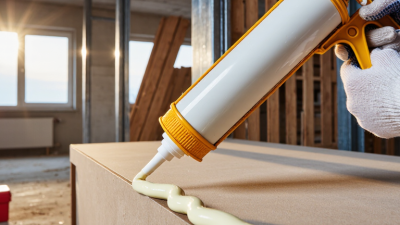
Prepare clean, dry surfaces, and remove dust, grease, and loose paint. Apply adhesive in the pattern and amount specified on its label, then press the parts together firmly. Keep spacers or clamps nearby if the surfaces might slide. A small test patch can feel tedious. It can also reveal staining or poor adhesion before the full job. Wear the protective equipment listed by the manufacturer, and avoid skin and eye contact. Keep doors or windows open when the label calls for ventilation.

Airflow deserves attention indoors. The U.S. Environmental Protection Agency’s “The Inside Story: A Guide to Indoor Air Quality” reports that concentrations of some pollutants are often two to five times higher indoors than outdoors. That figure covers indoor pollutants generally, not adhesive fumes specifically, but it supports taking ventilation seriously. Do not guess at safe handling from a product’s quick-grab claim. Read its safety data sheet, follow its instructions, and stop if you notice irritation. Even careful work can get messy. Inspect the bond after the stated cure time, not just immediately after pressing.