Choosing a Building Adhesive in 2026 is not simply a search for the strongest product. Global buyers need to match adhesive chemistry with the substrate, exposure, installation method, and project specifications. Tile over concrete, façade panels, timber flooring, and insulated assemblies each bring different demands. Moisture, temperature swings, movement, and cure time can all affect performance on site. Small details matter.
This guide introduces major building adhesive types, including cement-based, epoxy, polyurethane, acrylic, silicone, and hybrid formulations. It explains where each category may fit, what limitations to check, and which questions buyers can ask suppliers. A product name alone is not enough. Review current technical data sheets, application instructions, test evidence, and substrate compatibility before comparing prices. Packaging size and shelf life matter too, especially when shipments travel far or projects have tight schedules. No single ranking fits every job; even a well-rated adhesive may disappoint when surfaces are damp, poorly prepared, or outside the stated service conditions. That point is easy to overlook. The best choice depends on the actual assembly and installation environment, not just a headline claim. Since products and requirements vary by market, verify relevant specifications with qualified project professionals and local suppliers. This practical comparison aims to help buyers shortlist options with clearer expectations, while leaving room for site-specific judgment.
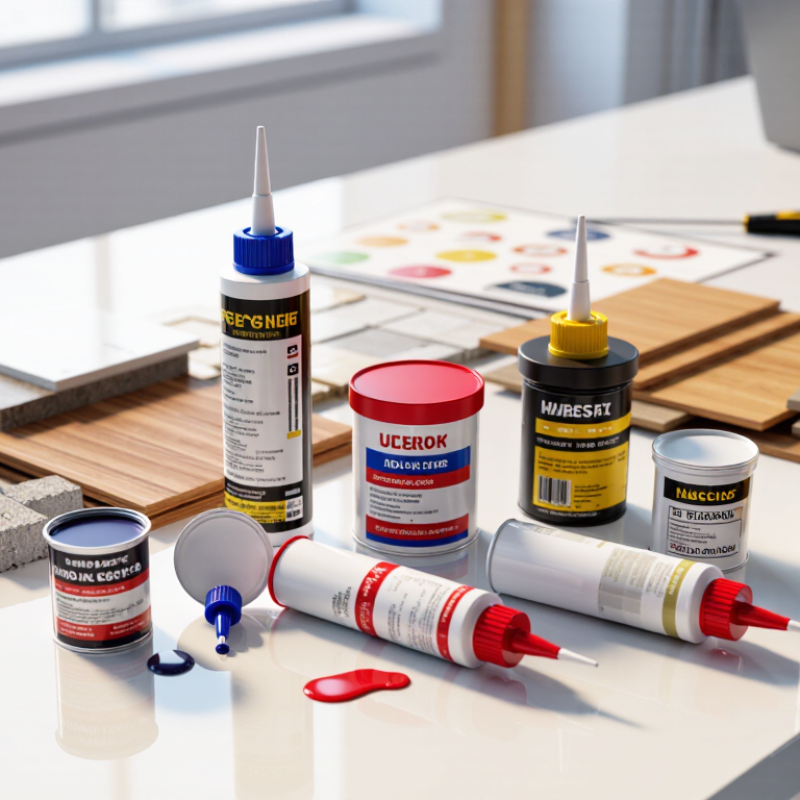
Building adhesives are materials designed to join construction components and maintain contact between their surfaces. They may bond tile to concrete, insulation to a wall, or panels to a prepared substrate. Unlike screws, adhesives spread force across a bonded area. Their performance depends on surface condition, temperature, moisture, application thickness, and curing time. A dusty wall can weaken even a suitable product. Small details matter.
Adhesives serve several functions: they secure materials, reduce movement, and can help limit gaps where air or moisture may pass. Some remain flexible after curing; others form a hard bond. Main classifications include cement-based adhesives, often used for tile and masonry; water-based dispersions, common for certain interior finishes; and reactive adhesives, which cure through a chemical process. Polymer-modified products combine properties, so categories are not always neat. Selection should match the material, location, and expected loads. A floor tile in a wet room has different demands from a light decorative panel indoors. Follow the product’s technical data, prepare surfaces carefully, and allow the stated curing period. Rushing that last step is an easy mistake.

Building Adhesives: Definition, Functions, and Main Classifications
How to read this chart: Building adhesives bond construction materials, help distribute loads, and may also seal joints or accommodate movement. Cementitious and epoxy systems are generally more rigid after curing, while silicone and polyurethane systems typically accommodate more movement.
Flexibility scores are an indicative qualitative comparison on a 1–5 scale, not standardized test results. Actual performance varies by formulation, substrate, joint design, and curing conditions; consult the product technical data sheet for project specifications.
Modern construction uses different adhesive chemistries for different loads and surfaces. Cementitious tile adhesives bond ceramic or porcelain tiles to concrete and screeds; polymer modification can improve flexibility and grip. Epoxy systems suit demanding structural bonds, repairs, and anchoring, where strength and surface preparation matter. Polyurethane adhesives accommodate some movement and are used with timber, insulation, and panels. Acrylic adhesives commonly secure flooring and wall coverings. Silicone and hybrid polymers are useful around joints, though they are often selected primarily as sealants rather than structural adhesives.
The market reflects broad demand. Grand View Research’s 2024 Construction Adhesives Market report estimates global revenue at about US$9.5 billion in 2023, with growth projected through 2030. That figure describes sales, not proven performance on every job. Selection still depends on substrate, moisture, temperature, curing time, and required movement. A tile adhesive suitable for a dry interior may fail in a wet area if the system is poorly specified. Small details matter.
For buyers, check the product’s technical data sheet and test the actual substrate when conditions are uncertain. Compare open time, application temperature, load capacity, and required surface preparation. A fast cure can help a tight schedule, but it may leave little time to adjust panels. I have seen specifications treated as interchangeable. They are not. Even a strong adhesive can disappoint when the surface is dusty or damp.
Building adhesives vary by chemistry and by how they transfer load. Epoxy systems cure through a two-part chemical reaction, creating rigid, high-strength bonds for concrete repairs and metal-to-concrete fixing. Polyurethane adhesives generally tolerate more movement and can bond varied substrates, while water-based acrylics suit porous surfaces and lighter-duty interior work. Silicone sealants handle joint movement and weather exposure, but are not substitutes for structural bonding. Not interchangeable.
Bonding may rely on surface wetting, chemical curing, or mechanical grip in a porous surface. Dust, moisture, and temperature can undermine all three; a concrete slab that looks dry may still be too damp for a particular product. For ceramic tile, EN 12004-1 classifies cementitious adhesives, including C1 and higher-adhesion C2 categories. Check the required performance and test conditions, not only the class. MarketsandMarkets’ 2023 construction adhesives report valued the global market at US$11.3 billion and projected US$15.3 billion by 2028; this signals demand, not a guarantee of job-site performance. The fit still depends on substrate, load, exposure, and installation detail. One missed detail can matter.
| Adhesive Type | Typical Materials | Bonding Method and Cure | Common Building Uses | Performance Profile | Key Limitations and Selection Notes |
|---|---|---|---|---|---|
| Cementitious Tile Adhesive | Portland cement, graded mineral fillers, and often polymer modifiers | Hydraulic cement hydration; polymer-modified grades also improve adhesion and flexibility. Supplied as a dry powder mixed with water or a specified liquid. | Ceramic, porcelain, and stone tiles on floors and walls; interior or exterior applications when the grade is specified for the conditions. | Good compatibility with mineral substrates; available in grades suited to different tile sizes, locations, and slip or sag requirements. | Requires correct substrate preparation, mixing, trowel coverage, and curing. Water resistance and flexibility vary by formulation; not every grade suits large-format tile, exterior exposure, or movement-prone surfaces. |
| Epoxy Adhesive | Two-part epoxy resin and hardener, sometimes with mineral fillers | Chemical cross-linking after the resin and hardener are mixed; generally cures without relying on moisture from the substrate. | Tile and stone installation in demanding areas, industrial flooring repairs, and bonding selected construction components. | Typically offers high bond strength and good resistance to water, chemicals, and abrasion when fully cured and correctly selected. | Mixing accuracy and working time matter. It is generally less forgiving than cementitious adhesive, may be costly, and can be difficult to remove after curing. Confirm suitability for the specific materials and exposure. |
| Polyurethane Adhesive | One-part or two-part polyurethane polymers | One-part products commonly cure through reaction with ambient or substrate moisture; two-part products cure by chemical reaction between components. | Selected wood, panel, insulation, and construction-component bonds; some products are specified for flooring or exterior work. | Often provides strong adhesion with some flexibility and good resistance to vibration. Certain formulations bond to a range of porous and non-porous materials. | Performance varies substantially by formulation. Moisture, temperature, substrate, and application thickness affect cure. Some products foam during cure, so clamping and gap design may be important. |
| Silicone Sealant and Adhesive | Silicone polymers with fillers and curing agents | Most common building grades cure by reacting with moisture in the air; some specialized systems use other cure methods. | Movement joints, glazing, sanitary-area sealing, and specified façade or component bonding applications. | Maintains flexibility across a wide temperature range and typically resists weathering and ultraviolet exposure well. Suitable grades accommodate joint movement. | Not all silicone products are structural adhesives. Adhesion can be poor on some surfaces without a compatible primer, and cured silicone is difficult to paint. Use only products approved for the specific joint or bonding application. |
| Acrylic Construction Adhesive | Water-based acrylic polymer dispersion or, for some products, reactive acrylic chemistry | Water-based grades generally set as water evaporates and the polymer film forms; reactive grades cure by chemical reaction. | Interior trim, panels, and other light construction assemblies when the product label permits the substrates and conditions. | Water-based versions are easy to apply and clean up before curing, with low odor compared with many solvent-based products. | Water-based grades usually need at least one porous surface for drying and may be unsuitable for prolonged wet exposure, heavy loads, or non-porous-to-non-porous bonds. Check load and service limits. |
| MS Polymer Hybrid Adhesive | Moisture-curing silane-modified polymer, often with mineral fillers | Typically cures through reaction with atmospheric or substrate moisture, forming an elastic polymer bond. | Interior and exterior bonding or sealing of selected panels, trim, metal, and other building components, subject to the product specification. | Combines adhesion with flexibility and is commonly chosen where movement, weather exposure, or low-solvent formulation is important. | Strength, cure speed, paintability, and compatibility vary by product. Deep or enclosed joints may cure slowly because moisture access is limited; verify adhesion to the actual substrate. |
| PVA Wood Adhesive | Polyvinyl acetate polymer dispersion | Water evaporates into porous materials and the polymer film forms; some formulations are cross-linked for improved water resistance. | Interior joinery, cabinetry, and bonding of suitable wood-based materials. | Works well on clean, close-fitting porous wood joints and is generally easy to apply. Available in grades with different moisture-resistance classifications. | Standard interior grades are not intended for continuous wetting or exterior exposure. Joint fit, clamping, and cure conditions influence results; it is not a general-purpose adhesive for masonry or metal. |
| Contact Adhesive | Solvent-based or water-based elastomeric polymer formulations | Applied to both surfaces and allowed to dry or flash off before they are pressed together; bonds on contact, with little repositioning time. | Selected decorative laminates, flooring materials, and sheet goods when both the adhesive and substrate are approved for the application. | Provides rapid initial grab and can bond broad surfaces without prolonged clamping. | Accurate positioning is essential because the bond forms immediately. Ventilation, flammability, solvent compatibility, and manufacturer-specified open time require attention. |
| Buyer note: These are typical characteristics, not universal product ratings. Compare technical data sheets for the exact substrate, load, joint movement, temperature, moisture exposure, application thickness, and required curing conditions before specifying an adhesive. | |||||
Global buyers comparing building adhesives should begin with the joint, not the product label. Is the material bonding ceramic tile, insulation, timber, or a façade panel? Each application brings different loads, surfaces, and exposure. A rigid interior bond may fail where a moving exterior joint needs flexibility. The details matter.
Look closely at substrate compatibility, curing time, working time, and temperature range. These figures shape installation schedules and help crews avoid rushed placement. Moisture resistance matters in bathrooms and exposed areas, while low-porosity surfaces may slow curing. Check technical data sheets, but compare test conditions as well as headline values. Similar numbers can describe different methods.
On the jobsite
Then consider the jobsite. A product that performs well in controlled testing may behave differently on dusty concrete or in humid weather. Request current documentation and test a small area with the actual materials. Useful? Yes, but a sample cannot represent every site condition. Packaging size, storage limits, and supply consistency also affect real project costs. Price per cartridge alone can mislead. Buyers may need to weigh a higher unit cost against less waste, easier application, or fewer delays. That comparison is useful, but never complete. The chosen adhesive still depends on careful surface preparation and installation.
In 2026, buyers are comparing more than adhesive strength. Cement-based tile adhesives, epoxies, polyurethanes, acrylics, and hybrid products suit different substrates and exposure conditions. A damp basement, a sun-heated façade, and a busy factory floor do not ask the same thing of a bond. Details matter.
Standards and test data help narrow the options, but requirements vary by market and application. Check the relevant performance classification, substrate compatibility, temperature range, and curing conditions.
For indoor projects, review emissions information and the test method behind any low-VOC claim. A label alone cannot describe every job-site risk. Not always.
Sustainability also means considering service life, waste, packaging, and transport—not only product chemistry. A longer-lasting adhesive may reduce repairs, though only when correctly specified and installed. Supply resilience deserves equal scrutiny: confirm regional stock, batch consistency, shelf life, and realistic lead times. Ask how temperature-sensitive materials will be stored and shipped. One awkward detail: a technically suitable product can still fail a project if it arrives late or has been stored poorly. Compare documented evidence with local conditions, and leave room for installer experience. That is harder.