Inquiry
Form loading...

How to Choose the Best Building Adhesive in 2026?

Choosing the best Building Adhesive in 2026 requires more than comparing price, brand, or curing speed. Construction conditions are changing quickly. Projects now demand stronger bonds, lower emissions, longer service life, and easier application.

Grand View Research estimates that the global construction adhesives market will continue expanding through 2030, supported by renovation, modular construction, and energy-efficient buildings. MarketsandMarkets also identifies polyurethane, acrylic, and epoxy systems as important technologies across flooring, insulation, panels, and structural assemblies. These figures show opportunity, but they do not identify one universal winner. No single adhesive fits every substrate.

As adhesion scientist Professor John Comyn explained, “Adhesion is the attraction between two substances.” That simple principle still matters on a dusty concrete floor or a cold metal panel. Surface energy, moisture, temperature, joint movement, and curing time can change the result dramatically. A product that performs well on dry timber may fail against damp masonry. Small details matter.

This guide will assess Building Adhesive options through practical and technical criteria. It will consider bond strength, flexibility, chemical resistance, open time, application method, indoor-air requirements, and compatibility with common materials. Product data sheets and independent testing should guide the final decision. Marketing claims deserve careful checking.

There is an uncomfortable point. Buyers sometimes choose the cheapest cartridge, then pay more for repairs. That mistake remains common. The better choice balances performance, safety documentation, installation conditions, and total project cost. Supplier expertise also matters, especially when the substrate is unfamiliar or the joint must endure years of movement.
How to Choose the Best Building Adhesive in 2026?

Define Building Adhesives and Their Main Applications

How to Choose the Best Building Adhesive in 2026?

Building adhesive is a material that joins construction surfaces through chemical or physical bonding. It can connect concrete, timber, metal, glass, insulation boards, tiles, and many plastics. Unlike a screw, it spreads stress across a wider bonding area. Its performance depends on surface preparation, curing time, movement, moisture, and temperature.

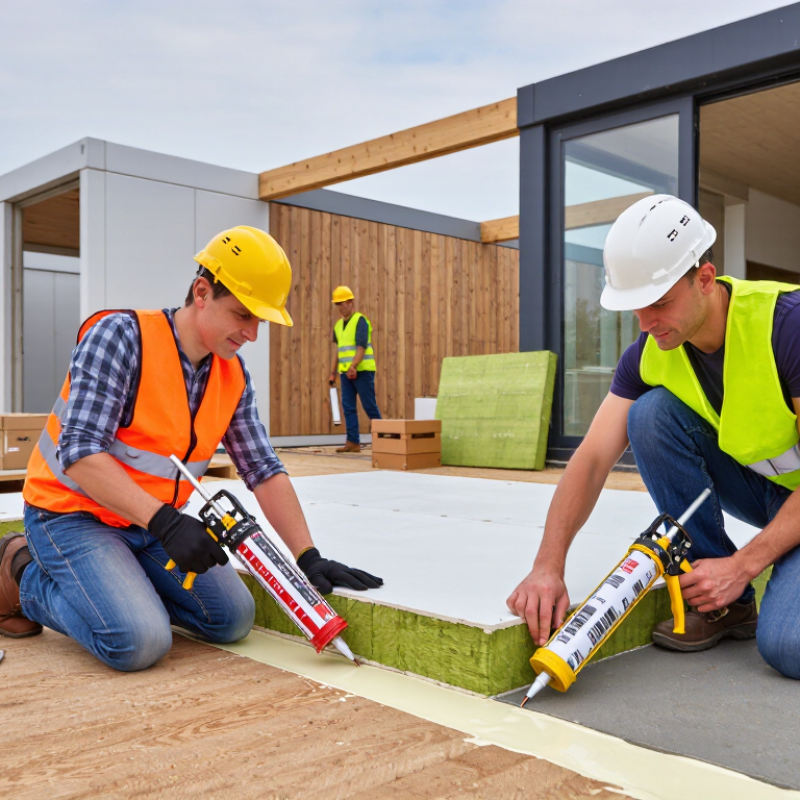
The main applications are practical and varied. Tile adhesives secure ceramic or stone finishes in kitchens, bathrooms, and outdoor areas. Construction adhesives fix panels, trims, flooring, and lightweight fixtures. Structural bonding systems may connect engineered components where strength and controlled movement matter. Sealant-adhesive products can bond while blocking water and air. They need careful selection.

The surface tells you a great deal.

Before choosing, check the product’s technical data sheet and required building standards. Clean dust, oil, loose paint, and moisture unless the instructions allow damp surfaces. A smooth wall may still have weak paint beneath it. This is easy to miss. I have seen strong adhesive fail because the substrate failed first. Cure time also matters; cold weather can slow hardening, while excessive heat may shorten working time. Compatibility tests on a small area are sensible, especially with unfamiliar plastics or coated metals. No adhesive suits every application, and labels alone rarely reveal the whole risk.
Identify the Materials and Surfaces to Be Bonded

How to Choose the Best Building Adhesive in 2026?

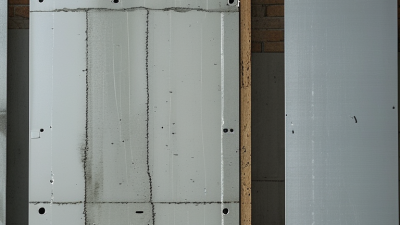
Choosing the best building adhesive begins with identifying both materials being bonded. Concrete, ceramic tile, metal, timber, glass, and plastic behave differently under stress. A porous surface may absorb adhesive quickly, while polished metal offers little grip. Check whether the materials expand, flex, or hold moisture. Thermal movement matters. A rigid bond can crack when two surfaces respond differently to temperature changes.

Surface condition is equally important. Remove dust, oil, loose paint, and cement residue before application. Dry surfaces usually provide more dependable adhesion, but some products are designed for damp areas. Roughening smooth metal or plastic can improve mechanical grip. However, excessive sanding may damage a protective coating. That detail is easy to miss.

On site, a small test area can reveal problems early. Apply adhesive to a hidden section and inspect the bond after curing. Pulling, twisting, and exposure to water can show weaknesses that a visual check misses. Consider the joint’s load, gap size, indoor or outdoor exposure, and expected movement. Cure time also affects practical work. Fast is not always stronger. I have seen neat-looking joints fail because the surfaces were incompatible, not because the adhesive bead was poorly applied. Product instructions and technical data remain essential, yet real conditions deserve careful judgment.

Compare Adhesive Types, Strengths, and Curing Methods

How to Choose the Best Building Adhesive in 2026?

The right adhesive depends on strength, movement, moisture, and curing time. According to Grand View Research’s 2024 market report, the global construction adhesives market exceeded USD 10 billion in 2023. This growth reflects wider use in flooring, insulation, panels, and prefabricated construction.

Epoxy provides high shear strength and suits metal, concrete, and rigid assemblies. It usually needs accurate mixing and longer curing.

Polyurethane tolerates vibration and limited surface movement, but moisture can affect its performance.

Hybrid polymer adhesives offer flexibility and lower odor. PVA works well on porous timber, yet it is a poor choice for wet areas. Small details matter.

Curing methods change the installation schedule. Moisture-curing products need humidity from the air or substrate. Two-component systems cure through a chemical reaction, even in enclosed joints. Heat-curing adhesives can deliver reliable performance, but they demand controlled temperatures.

A 2023 report from MarketsandMarkets identified faster curing and lower emissions as important construction adhesive trends. Check the technical data sheet, not only the stated strength.

I still see installers choose maximum strength first. That can be a mistake. A rigid bond may crack when adjoining materials expand differently. ASTM D1002 testing can compare lap-shear strength, while ASTM C920 helps assess sealant-like movement capability. A clean surface, correct gap, and realistic cure time often matter more than a dramatic strength number.

Evaluate Safety, Durability, Weather Resistance, and Sustainability

How to Choose the Best Building Adhesive in 2026?

Safety should begin before opening the cartridge.

Review the safety data sheet, curing chemistry, ventilation needs, and skin or eye hazards. A low-VOC label alone can mislead. Ask for third-party emissions testing and clear exposure instructions. The U.S. Environmental Protection Agency links indoor pollutants with respiratory irritation, especially in poorly ventilated spaces. Do not ignore the installer’s working conditions.

Durability depends on movement, moisture, temperature, and substrate preparation.

Check published results for bond strength, water immersion, freeze-thaw cycling, and accelerated ultraviolet exposure. ASTM and ISO test methods improve comparisons, but laboratory results cannot perfectly represent a coastal wall or a poorly drained joint. The World Meteorological Organization reported that 2023 reached about 1.45°C above the pre-industrial average. More heat and severe weather make elastic performance increasingly important. I would still question impressive numbers without test duration and failure criteria.

Sustainability requires more than recycled packaging.

Select adhesives that last longer, reduce repairs, and avoid unnecessary material replacement. The 2023 UNEP Global Status Report for Buildings and Construction reported that buildings used 34% of global energy and produced 37% of energy- and process-related carbon emissions. Lower-emission formulations can help, but service life matters too. Request lifecycle information, curing energy data, and disposal guidance. Sometimes the greener choice is the less fashionable one.

Select the Best Adhesive for Your Project and Application Conditions

Choosing the best building adhesive in 2026 starts with the project, not the product label. Identify the materials, joint size, load, and expected movement. Concrete, ceramic, metal, timber, and plastics can require different bonding chemistry. A rigid adhesive may crack when a flexible wall panel expands.

Application conditions matter just as much. Check surface moisture, temperature, dust, and ventilation before bonding. Damp masonry may need a moisture-tolerant formulation, while cold conditions can slow curing significantly. Read the technical data sheet and safety data sheet carefully. They provide working times, curing limits, surface preparation, and safety requirements. Small details matter.

Prepare a test area first. Apply adhesive to clean surfaces, press them evenly, and observe the bond after curing. A common mistake is trusting initial grip before full strength develops. I would also avoid applying too much adhesive; trapped thickness can weaken the joint. On busy sites, rushed preparation often causes more failures than poor adhesive selection. Still, product guidance is not infallible for every substrate. Record the temperature, moisture level, and curing time, then adjust the method when results differ.