What is Liquid Nails and How Does It Work?
Liquid Nails is a well-known adhesive product used in various construction and DIY projects. According to the Adhesives and Sealants Industry report, the global adhesive market value is projected to reach $55 billion by 2025, highlighting the significant role of products like Liquid Nails. Its versatility makes it suitable for bonding wood, metal, ceramics, and more.
The effectiveness of Liquid Nails lies in its unique formulation. It contains a blend of polymers and solvents that create a strong and durable bond. This bond can withstand extreme weather conditions, making it reliable for both indoor and outdoor applications. A study by the American Institute of Architects noted that the right adhesive can improve project efficiency by up to 30%.
However, users must remember that proper surface preparation is vital for optimal results. Surfaces should be clean and dry before application. Additionally, while Liquid Nails offers impressive strength, it may not be suitable for all materials. Users should carefully consider their project's specific requirements. Understanding these details ensures better outcomes and helps avoid potential pitfalls.
What is Liquid Nails?
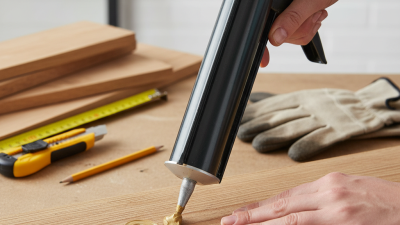
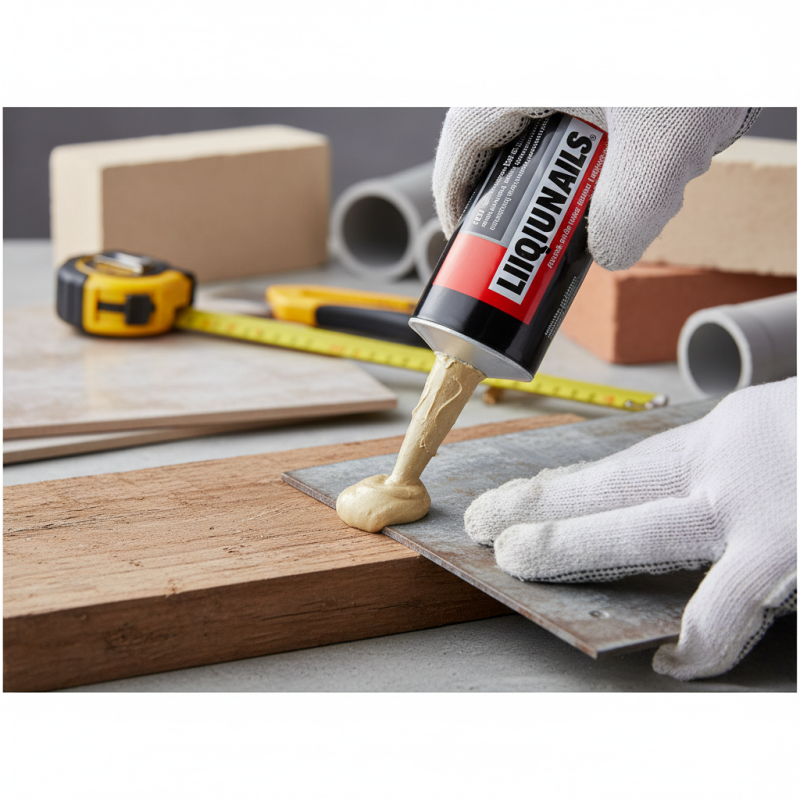
Liquid Nails is a type of construction adhesive commonly used for bonding various materials. This product is particularly favored for its strong holding power. It forms a tough, durable bond that can withstand changes in temperature and humidity. People often choose Liquid Nails for both indoor and outdoor projects.
One of the standout features of this adhesive is its versatility. It works well on wood, ceramics, and even some plastics. Users appreciate its ability to bond dissimilar materials effectively. However, not all surfaces are compatible. It is crucial to test the adhesive on a small area first. Some surfaces may need preparation to achieve the best results.
Understanding how Liquid Nails works can improve your projects. The bonding process involves a chemical reaction that enhances strength over time. It is not instant; it requires patience. Users should be aware that curing can take hours or even days. Mistakes can happen, like applying too much or on incorrect surfaces. Always read the application instructions carefully. Proper use leads to stronger, more reliable results.
The Composition of Liquid Nails Adhesive
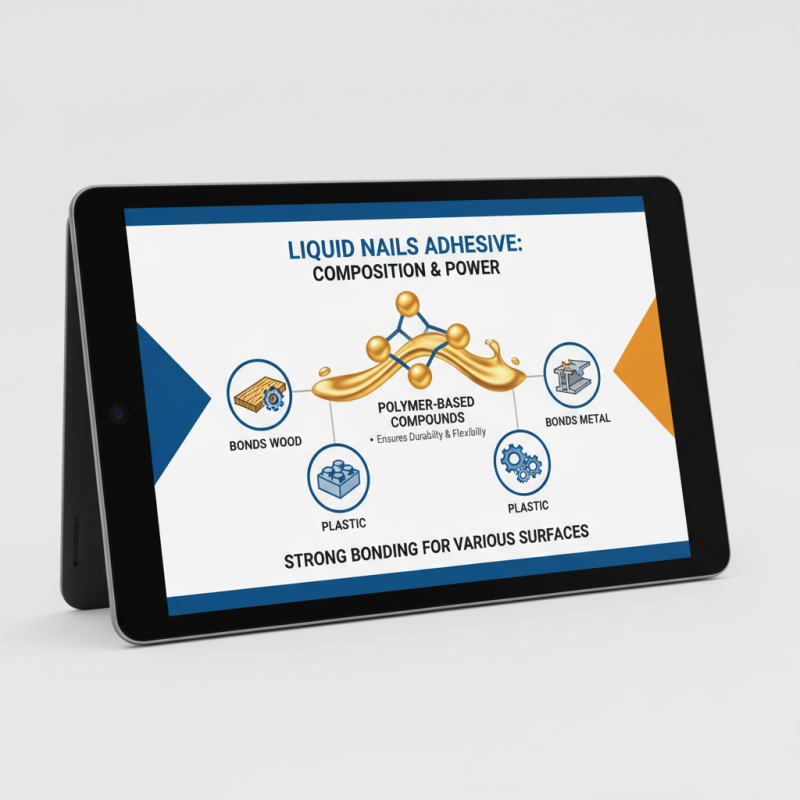
Liquid Nails is a popular adhesive known for its strong bonding capabilities. The composition of Liquid Nails Adhesive plays a crucial role in its effectiveness. This adhesive is primarily made of polymer-based compounds that ensure durability and flexibility. These polymers allow the adhesive to bond well with various surfaces, including wood, metal, and plastic.
It’s important to note that Liquid Nails contains solvents. These solvents help dissolve and disperse the adhesive evenly during application. However, they can also emit fumes that may be harmful in poorly ventilated spaces. Always use this product in well-ventilated areas to minimize health risks.
**Tip:** Ensure surfaces are clean and dry before applying Liquid Nails. This preparation can enhance adhesion quality.
Sometimes, the bond may not work as expected. Factors such as temperature and humidity can impact the curing process. Lower temperatures may slow down setting times, while high humidity can weaken the bond.
**Tip:** Check the recommended curing conditions for best results. Being mindful of environmental factors can lead to a more reliable outcome.
How Liquid Nails Works: The Bonding Process
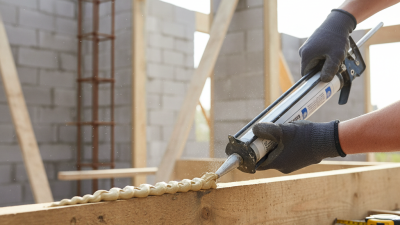
Liquid Nails is a powerful adhesive used in construction and DIY projects. Understanding the bonding process is crucial for effective application. This adhesive typically combines polymers and resins that contribute to its strength. When Liquid Nails is applied, it forms a strong bond through a combination of mechanical interlocking and chemical reactions.
During the bonding process, the adhesive penetrates the surfaces it is applied to. This creates a mechanical bond that enhances adhesion. Reports indicate that adhesives like Liquid Nails can achieve a tensile strength of 300 PSI or more. Such strength allows it to hold weight-bearing applications securely. However, surface preparation is essential. Dust, grease, or moisture can compromise the bond.
In real-world use, some applications may not adhere as expected. Factors like temperature and humidity play a significant role. It is important to test a small area before proceeding with a larger project. Moreover, proper curing time is critical. Rushing the process can lead to disappointing results. Understanding the nuances of Liquid Nails can lead to better bonding outcomes.
Applications and Uses of Liquid Nails
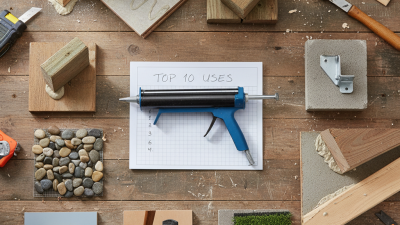
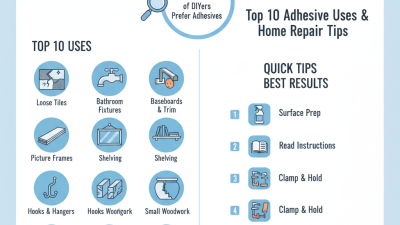
Liquid Nails are versatile adhesive solutions, widely used in construction and DIY projects. This product can bond various materials, including wood, metal, ceramics, and even some plastics. According to a report by the Association of Wall and Ceiling Industry, over 70% of construction professionals cite adhesive products as essential for ensuring strong and lasting connections between surfaces.
One of the most common applications of Liquid Nails is in home improvement. Many people use it for attaching molding, framing, and flooring. A study conducted by the Adhesives and Sealants Industry reveals that a significant percentage of projects require quick-setting adhesives for efficiency. This need has driven innovations in adhesive technology, making Liquid Nails a reliable choice for professionals and hobbyists alike.
Despite its wide use, there are considerations to keep in mind. Some users report challenges with drying times and application techniques. When not applied correctly, the bond may weaken. Users should also be aware of the surface preparation needed for optimal results. Ultimately, while Liquid Nails offers strong adhesion for diverse materials, understanding best practices is critical for achieving the desired outcome.
Safety Precautions and Tips for Using Liquid Nails
When using liquid nails, safety should be a top priority. Always work in a well-ventilated area. Strong fumes can be harmful. Consider wearing a mask to filter out any harmful particles. Gloves are also important; they protect your skin from irritation. If any product gets on your hands, wash it off immediately with soap and water.
Keep the product away from open flames or sparks. The chemicals can be flammable. Store it in a cool, dry place away from children and pets. Before applying, test the adhesive on a small surface. This can help prevent unwanted damage. Be cautious when handling large items; they can be heavy and awkward. Don't rush the process. Allow proper drying time to ensure a secure bond.
What is Liquid Nails and How Does It Work? - Safety Precautions and Tips for Using Liquid Nails
| Property |
Description |
| Composition |
Typically made from a synthetic polymer or adhesive compounds. |
| Drying Time |
Varies between 10 minutes to several hours depending on environmental conditions. |
| Suitable Surfaces |
Works well on wood, metal, ceramic, and some plastics. |
| Temperature Range |
Effective in temperatures ranging from 0°F to 100°F (-18°C to 38°C). |
| Application Tips |
Apply on clean, dry surfaces; use in well-ventilated areas for best results. |
| Safety Precautions |
Use gloves and mask to avoid skin and respiratory irritation; keep away from children. |
| Cleanup |
Wet cloths are effective for cleaning before it dries; use solvents for dried adhesive. |