Inquiry
Form loading...

How to Choose Construction Adhesive Glue in 2026?

Choosing Construction Adhesive Glue in 2026 starts with the materials, not the label. A bead that bonds wood to wood may behave differently on concrete, metal, foam, or painted drywall. The right product depends on the surfaces, the load, and the conditions around the joint. Will it face moisture, heat, vibration, or a cold garage wall? These details shape the choice.

A useful comparison begins with the product’s technical data sheet. Check approved substrates, open time, cure time, application temperature, and whether temporary bracing is required. For example, a heavy mirror or a trim board may need support while the adhesive cures. Surface preparation matters just as much: dust, loose paint, and oil can weaken a bond. Small details matter. Follow the manufacturer’s instructions, and test an inconspicuous area when compatibility is uncertain.

In 2026, product names and claims can sound similar, so compare specifications rather than relying on “all-purpose” wording alone. Consider whether the adhesive suits interior or exterior use, and review ventilation and handling guidance before applying it. For structural or safety-critical work, do not treat adhesive as a substitute for specified fasteners or professional advice. The honest answer is that no single formula fits every job. Even experienced installers can misjudge a surface or rush curing time. This guide will help you weigh practical factors and choose more confidently, while leaving room to verify details for your exact project.
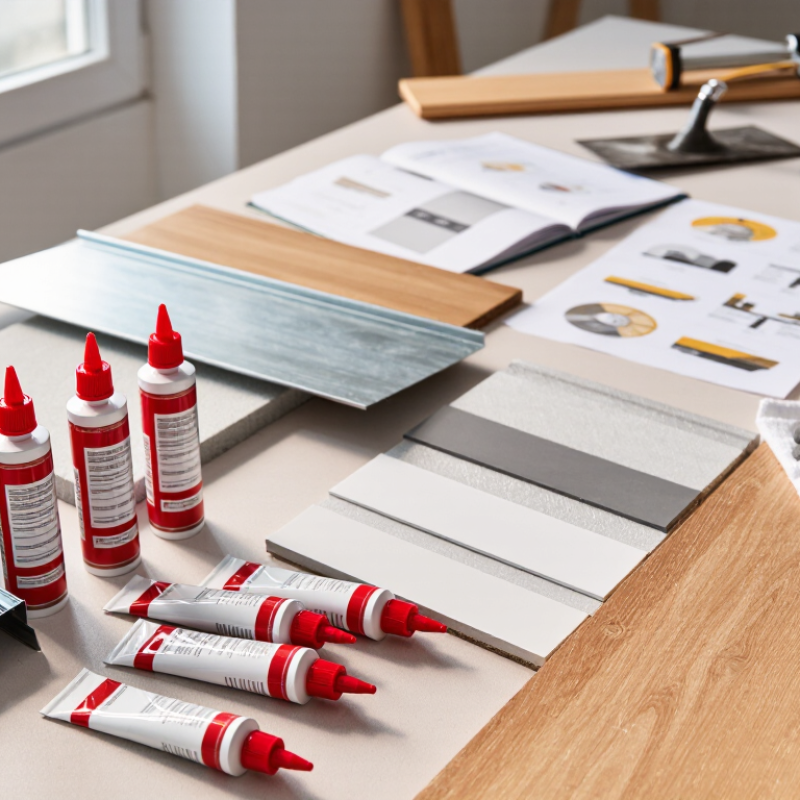
How to Choose Construction Adhesive Glue in 2026?

Understand Construction Adhesives and Their Common Uses

Construction adhesives bond materials where nails or screws may split surfaces, remain visible, or prove awkward to install. Common jobs include fixing wall panels, trim, subflooring, insulation boards, and masonry units. The right formula depends on the materials and conditions. Wood-to-wood subfloor work needs a different product from bonding a panel to concrete.

Grand View Research estimated the global construction adhesives market at about US$11.3 billion in 2023, reflecting broad use across building work. Market size does not prove a product will suit a specific joint. Check the technical data sheet for compatible substrates, open time, cure conditions, and service temperature. A bead that skins over before a panel is positioned can leave hollow spots. Not ideal. Surface dust, dampness, and movement also affect the bond, so clean and prepare surfaces as specified. I have seen selection guides make this sound more certain than it is: jobsite conditions vary, and the label cannot inspect the wall for you. For flooring or structural connections, follow the relevant project specification and seek qualified advice when the load or substrate is uncertain.

How to Choose Construction Adhesive Glue in 2026? - Understand Construction Adhesives and Their Common Uses

Adhesive Type Common Uses Typical Compatible Materials Moisture and Weather Suitability Typical Set or Cure Considerations Key Limitations Selection Tip
Water-based latex or acrylic Interior trim, paneling, lightweight molding, and other non-structural projects Porous materials such as wood, drywall, and some masonry surfaces Generally intended for dry interior conditions; moisture resistance varies by formulation Water must evaporate for the adhesive to dry, so drying can be slower between non-porous surfaces Usually unsuitable for submerged, persistently wet, or heavy-load applications Choose for low-odor interior work when at least one surface is porous and the load is modest
Solvent-based construction adhesive Some flooring, subfloor, panel, and trim installations, depending on product rating Commonly wood and selected building materials; verify compatibility with plastics and foams Some products are rated for damp or exterior conditions, but ratings are product-specific Often develops an initial grab before full cure; ventilation and application conditions matter May contain flammable or volatile solvents and can damage certain plastics or foam insulation Check the label for the exact substrates, indoor-air precautions, and exterior or wet-service rating
Polyurethane construction adhesive Wood-to-wood bonding, selected exterior repairs, and applications needing a moisture-resistant bond Wood, concrete, masonry, and some metals or other materials when specifically approved Many formulations tolerate outdoor exposure after curing; continuous immersion is not assumed Typically cures by reacting with moisture; cure rate depends on temperature, humidity, bead size, and materials Some formulations expand or foam during cure; excess adhesive can be difficult to remove Use where the product lists both materials and the expected exposure; clamp or brace parts as directed
Hybrid polymer (such as MS polymer) Sealing and bonding trim, cladding, panels, and selected interior or exterior building components Often bonds a range of porous and non-porous materials, subject to the product’s compatibility list Many products are designed for weather exposure after cure; performance varies by formulation Usually moisture-cures; thick beads and low humidity can extend cure time Not every formulation is suitable for structural loads, glazing, or constant water exposure Look for explicit ratings for the substrate, movement, service temperature, and exposure conditions
Two-part epoxy Rigid repairs, anchoring, and bonding where a product is specified for the materials and load Often metal, concrete, ceramic, and some plastics; compatibility depends on the epoxy formulation Some cured epoxies resist water and chemicals, but immersion and outdoor suitability must be confirmed Mixing ratio and working time are critical; cure may take substantially longer than initial set Can be brittle, requires accurate mixing, and may not suit flexible joints or low-surface-energy plastics Match the epoxy to the material and load; follow preparation, mixing, and full-cure instructions precisely
Solvent-free flooring or subfloor adhesive Bonding specified flooring materials, underlayment, or subfloor components Substrates and flooring types listed on the product label, often including wood or concrete Some products are formulated for moisture control or exterior-rated subfloor use; these are not interchangeable Open time and working time are important; floor covering may need to be installed within a set window Using the wrong formulation can cause poor bonding, staining, or flooring failure Choose by flooring type, substrate, moisture conditions, and the flooring manufacturer’s requirements

Before applying: Check the product technical data sheet for approved materials, load limits, temperature range, moisture exposure, ventilation, and cure time. Prepare clean, sound surfaces and provide temporary support when required. “Initial set” does not mean the bond has reached full strength.
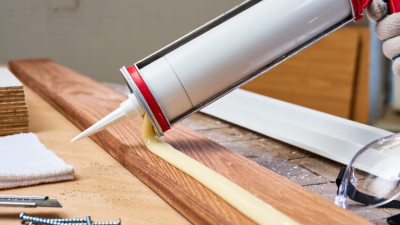
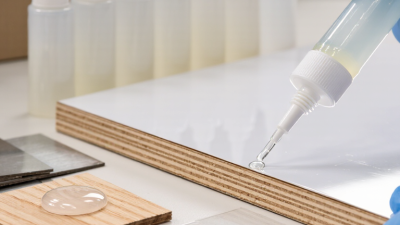
Identify the Materials and Conditions in Your Project

How to Choose Construction Adhesive Glue in 2026?

Identify the Materials and Conditions in Your Project

Choosing construction adhesive starts with identifying every surface, not just the main one. Is it wood against concrete, ceramic tile against drywall, or metal against a painted panel? Check whether either surface is porous, sealed, dusty, or slightly damp. Two materials that look clean may still bond poorly if paint is peeling or concrete has a powdery layer.

Then consider the job site. A bathroom wall, an outdoor step, and a heated living room face very different moisture and temperature conditions. Read the product label for compatible materials, approved exposure, application temperature, and curing time. “Water-resistant” does not necessarily mean suitable for constant wetness. Nor does a fast initial grab prove the bond has fully cured. Small details matter.

Think about movement and load, too. Wood can expand as humidity changes, while long panels may flex or pull away from a wall. Some adhesives remain flexible; others cure more rigidly. Match that behavior to the assembly, and follow the stated bead size and surface-preparation instructions. Dry-fit first. If the materials or conditions are unusual, test a small hidden area and allow the full cure time before judging the bond. It is tempting to trust a quick test, but that can give a misleading result.

Compare Adhesive Types, Strengths, and Curing Times

Choosing construction adhesive in 2026 means matching chemistry to the materials and the time available. Acrylic adhesives suit many indoor trim jobs and offer easy cleanup, but they are less suitable for persistently wet areas. Polyurethane types can fill small gaps and bond dissimilar materials; moisture and temperature affect their cure. Hybrid polymer adhesives stay flexible, useful where materials move slightly. Epoxy can provide a rigid, strong bond, but its working time may be short.

Allow for the clock. Typical technical data sheets show hybrid polymers often skin over in roughly 10–30 minutes and cure about 2–3 mm per 24 hours. Polyurethane products may set within hours, while full cure can take a day or longer. Epoxy working times range from minutes to hours, depending on formulation. These are guide ranges, not guarantees. Test a hidden spot.

Strength depends on the joint, not just the adhesive. The USDA Forest Products Laboratory’s Wood Handbook explains that wood species, moisture, and surface preparation influence bond performance. ASTM C557 also sets performance requirements for adhesives used to attach gypsum board to wood framing. For a real job, clean dust from both surfaces, check the substrate, and follow the product’s stated clamp and cure times. I still find cure estimates easy to overtrust; cold, damp conditions can change the result.

How to Choose Construction Adhesive Glue in 2026?

Compare adhesive types, bond characteristics, and typical full-cure times.

How to read the chart: Cure times are indicative product-level ranges, not fixed limits for an entire adhesive family. Temperature, humidity, bond-line thickness, substrate porosity, and ventilation can change curing time. Always check the product’s technical data sheet.

Adhesive type Typical bond characteristics
Water-based acrylic / latexCommon for porous materials and interior work; performance depends on the specific formulation and substrate.
Solvent-based construction adhesiveOften offers good initial grab; check compatibility with plastics and solvent-sensitive materials.
PolyurethaneCan form strong, tough bonds; moisture and joint conditions affect curing.
MS polymer / hybridTypically flexible after curing; suitable applications and load capacity vary by product.
Two-part epoxyCan provide high-strength, relatively rigid bonds; match the formulation to the materials and service conditions.

There is no reliable universal strength ranking by adhesive type: strength depends on the formulation, surface preparation, joint design, and test method. For load-bearing work, follow the manufacturer’s tested specifications.

Check Compatibility, Safety, and 2026 Standards

How to Choose Construction Adhesive Glue in 2026?

Start with the materials that will meet. Concrete, painted drywall, treated lumber, and foam can react differently to the same adhesive. Read the technical data sheet for approved substrates, surface preparation, temperature limits, moisture exposure, and cure time. ASTM C557 covers adhesives for attaching gypsum wallboard to wood framing; ASTM D3498 addresses subfloor adhesives. These standards are not interchangeable. Match the adhesive’s stated use to the actual joint and project specification. A bond that feels firm after an hour may still need longer before loading.

Small detail. Check twice.

Safety deserves the same attention as bond strength. Review the current safety data sheet for ventilation, gloves, and first-aid instructions, and check product-specific VOC emissions information. The U.S. EPA’s Report to Congress on Indoor Air Quality reports that indoor concentrations of some organic pollutants may average two to five times outdoor levels. That finding is not a prediction for every adhesive, but it makes emission data worth checking.

And yes, labels can be confusing. In 2026, verify the editions of referenced ASTM standards and applicable local requirements; project rules can differ by location. If two materials or conditions are not clearly listed, ask the manufacturer’s technical service before applying the product.

Choose the Right Product and Follow Application Instructions

Choosing construction adhesive in 2026 starts with matching the product to the materials and conditions. Check that its label names both surfaces, such as wood, concrete, metal, or foam. Then consider whether the joint will face moisture, temperature changes, or movement. A strong bond on a dry indoor wall may not suit an outdoor step. Construction adhesive is not a universal filler.

Read the application instructions before opening the tube. Surfaces should usually be clean, dry, and free of loose paint or dust; follow the product label if it specifies otherwise. Cut the nozzle to suit the bead size, and apply adhesive in the pattern and amount recommended. Press the materials together as directed, then use temporary support if required. Drying time varies, so avoid loading the joint too early. One detail is easy to overlook: a thick bead does not necessarily mean a stronger bond.

Tips Test on a small, hidden area when surface compatibility is uncertain. Check the stated working time, cure time, and ventilation guidance. Wear suitable gloves, and keep the nozzle clear between uses. A quick label check can prevent a frustrating repair later.