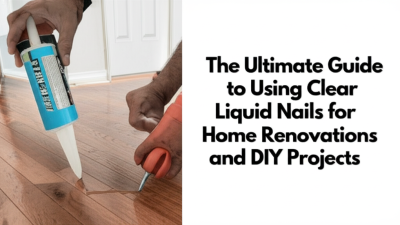
Best Clear Liquid Nails for Strong and Durable Bonding Solutions?
When it comes to construction and crafting, finding reliable bonding solutions is crucial. Clear Liquid Nails have emerged as a popular choice due to their impressive versatility and strength. According to a report by the Adhesives and Sealants Industry, the market for construction adhesives is expected to reach over $14 billion by 2026. This growth indicates a rising demand for high-quality adhesive products, especially Clear Liquid Nails.
These clear adhesives provide a durable bond that can withstand varying environmental conditions. Industries have relied on these products for projects ranging from home renovations to professional installations. Nevertheless, selecting the best Clear Liquid Nails might feel overwhelming due to numerous options available. Some might wonder about their longevity and resistance to moisture and temperature changes.
Not all Clear Liquid Nails are created equal. For instance, certain formulations may underperform in extreme conditions. It's essential to review product specifications and user feedback. Doing so can highlight potential weaknesses that could affect project outcomes. Remember that the right choice can make all the difference in achieving strong, lasting bonds.
Understanding Clear Liquid Nails: Definition and Uses
Clear liquid nails are essential in construction and DIY projects. They provide strong and durable bonding solutions for various materials. Understanding their definition and uses helps consumers make informed decisions.
Clear liquid nails, often made from synthetic polymers, offer high adhesion properties. They can bond wood, metal, ceramic, and more. According to industry reports, some formulations can achieve shear strength exceeding 3,000 psi, making them suitable for heavy-duty applications. This strength is crucial in environments where durability is paramount.
Tips for application: Ensure surfaces are clean and dry before bonding. A proper alignment during application enhances the bond's effectiveness. Using clamps for reinforcement during drying can lead to better results.
Lastly, choosing the right product is vital. Some clear liquid nails are designed for indoor use only. Using them outdoors may lead to issues like degradation. Always check product specifications for intended use to avoid future problems. Proper research and understanding can enhance project outcomes.
Key Features of High-Quality Clear Liquid Nails
When it comes to choosing high-quality clear liquid nails, several key features stand out.
The adhesive strength is crucial. An effective product should bond various materials effectively.
It should work well on wood, metal, ceramics, and plastics. Quick curing time is another important consideration.
A fast-drying formula saves time, especially for urgent projects.
Another feature to look for is water resistance. This is essential for projects exposed to moisture.
A good clear adhesive will maintain its strength in damp conditions. Flexibility is also important;
the adhesive should allow for slight movements without breaking the bond.
Finally, easy application is beneficial. A user-friendly design prevents mess and ensures precision.
Smooth dispensing leads to better results. While everything sounds perfect, some users report issues
with curing in colder temperatures.
This is a reminder that not every product performs flawlessly. An effective choice depends on specific project needs.
Taking time to research various options will ensure optimal results.
Application Techniques for Optimal Bonding Strength
Achieving optimal bonding strength with clear liquid nails requires attention to application techniques. Surface preparation is essential. Ensure the surfaces are clean and dry. Remove any dust, grease, or debris. Using a clean cloth or a mild cleaner can be helpful. This simple step can significantly enhance adhesion.
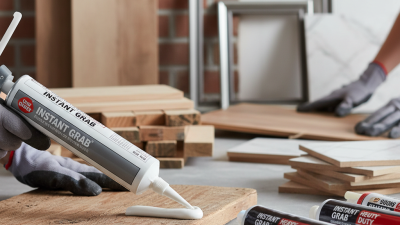
The application method also affects bonding. Apply a consistent bead of adhesive. Too much adhesive can lead to splatter and mess. Too little can create weak spots. Use a caulking gun for precision. Apply pressure evenly to maintain control. After applying, press the materials together firmly. This ensures a solid bond along the entire surface. Consider clamping them for additional strength, if possible.
Curing times vary. Avoid moving or stressing the bond during this period. Patience is crucial for achieving maximum bond strength. Environment plays a role as well. Temperature and humidity can affect the adhesive's performance. In humid conditions, curing may take longer. Test small areas first to learn how your specific conditions impact the bond. Mistakes happen, and learning from them is part of the process.
Best Clear Liquid Nails for Strong and Durable Bonding Solutions
| Application Type |
Drying Time |
Bonding Strength (lbs) |
Ideal Surfaces |
Temperature Resistance |
| General Purpose |
24 hours |
200 |
Wood, Metal |
-20°F to 140°F |
| Heavy Duty |
48 hours |
300 |
Concrete, Brick |
-40°F to 200°F |
| Outdoor Use |
30 hours |
250 |
Wood, Plastic |
-20°F to 140°F |
| Fast Cure |
1 hour |
150 |
Wood, Ceramic |
-10°F to 120°F |
Comparison of Popular Brands for Clear Liquid Nails
When evaluating the best clear liquid nails for strong bonding, reviewing popular brands is crucial. Many professionals lean towards adhesives that offer durability and quick setting times. According to industry reports, clear liquid nails can achieve strength levels exceeding 2000 PSI, making them ideal for various applications. However, performance varies significantly among brands.
Some brands emphasize versatility with a wide range of surfaces, while others focus on specific materials like wood or ceramics. For instance, certain adhesives maintain their bond even in humid conditions, which can be a game-changer for outdoor projects. Recent studies indicate that approximately 70% of users prioritize moisture resistance when selecting their adhesive. This aspect is vital for ensuring long-lasting results.
The cure times also differ. Some products can set within 10 minutes, while others might take hours. This delay can impact project timelines significantly. Moreover, not all clear liquid nails remain transparent after curing. Users often report issues with discoloration, which detracts from aesthetic appeal. Reflecting on these details can help consumers make informed choices. Familiarity with each brand’s unique characteristics is essential for achieving the best results.
Safety Tips and Best Practices for Using Clear Liquid Nails
When using clear liquid nails, safety should be your top priority. Always work in a well-ventilated area. This helps reduce inhalation of harmful fumes. Wearing gloves is crucial, as the adhesive can irritate skin. Safety glasses protect your eyes from accidental splashes.
Before applying the adhesive, make sure the surfaces are clean and dry. This enhances the bond's strength. Applying too much adhesive can lead to messiness. Keep a rag nearby for quick clean-ups. Ensure you read the instructions carefully, as different products have varying cure times. Don't rush the process.
It's essential to reflect on your technique. If your first attempts don't go as planned, assess the surfaces. Poor adhesion might result from dirt or moisture. Learning from mistakes is part of mastering this skill. With practice, your results will improve, leading to strong and durable bonding solutions.
Best Clear Liquid Nails for Strong and Durable Bonding Solutions
This chart represents the performance metrics of various clear liquid nails in terms of water resistance, drying time, flexibility, strength, and ease of use. Each metric is rated on a scale from 0 to 100, providing a comparative overview of their bonding capabilities.