Top 10 Clear Construction Adhesive Options for Your Projects?
When embarking on a construction project, choosing the right materials is crucial. Clear construction adhesive is often overlooked, yet it plays a significant role in many applications. From home repairs to crafting, this adhesive ensures strong bonds while maintaining an invisible appearance.
Several options are available on the market. Some products excel in durability, while others offer ease of use. However, selecting the best clear construction adhesive can feel overwhelming. Each project has unique requirements, and not all adhesives are equal in performance.
Understanding the properties of clear construction adhesive is essential. For instance, some adhesives perform better indoors, while others can withstand outdoor elements. It’s also important to consider drying time and ease of application. Not every product may meet your expectations, making proper research indispensable. By exploring various options, you can find the perfect adhesive for your needs.

Overview of Construction Adhesives and Their Importance
Construction adhesives play a vital role in ensuring the durability and integrity of various projects. These adhesives bond materials such as wood, metal, and plastic. Selecting the right adhesive can significantly impact your project's success. The right choice enhances joint strength and overall aesthetic appeal.
Understanding adhesive types is essential. There are clear options that can create nearly invisible bonds, making them popular for visible areas. Some adhesives dry quickly, while others allow for repositioning. Always check the drying time and working conditions.
**Tip:** When using construction adhesive, ensure clean surfaces for better bonding. Dust, grease, or moisture can weaken the adhesive performance.
Another thing to consider is your project’s environmental conditions. Some adhesives may not perform well in extreme temperatures or humidity. Testing small areas before full application can save time and frustration.
**Tip:** Store your adhesives at recommended temperatures to maintain their effectiveness. Improper storage can lead to unexpected results during use.
Criteria for Selecting the Right Clear Construction Adhesive
Choosing the right clear construction adhesive is crucial for the success of your projects. Professional guidelines suggest several criteria to consider. First, evaluate the adhesive's bonding strength. A study by the Adhesive and Sealant Council found that the right adhesive can increase bond strength by up to 50%. This strength is vital for heavy-duty applications.
Next, consider the environment where the adhesive will be used. Some adhesives perform poorly in humid conditions while others excel. Review technical data sheets for temperature ranges and moisture resistance to match your project needs. This attention to detail helps avoid future issues with adhesion failure.
Tips: Always check the drying time of the adhesive. Quick-setting options can save time but may be less forgiving if adjustments are needed. It's essential to understand the requirements before application. Test small areas when possible. This approach allows for adjustments before committing to larger surfaces. Being prepared can greatly enhance the adhesive's performance and your overall satisfaction with the project.
Top 10 Clear Construction Adhesive Recommendations
When choosing a clear construction adhesive, understanding options is vital. A recent industry report noted that more than 60% of construction professionals prefer clear adhesives for their versatility. These adhesives bond various materials, such as wood, plastic, and metal, making them valuable in multiple applications.
Water-based clear adhesives offer low odor and easy cleanup. They are designed for indoor projects, meeting environmental regulations. However, they may not withstand extreme conditions. In contrast, solvent-based adhesives provide stronger bonds but often emit volatile organic compounds (VOCs). Proper ventilation is necessary when using them.
When selecting an adhesive, consider project requirements. For example, outdoor projects need moisture-resistant options. The clarity of the adhesive is also crucial for aesthetic purposes. Despite many options available, not all clear adhesives perform equally well. Users must test products to ensure they meet their needs effectively. Assessing properties like tack time and curing duration can save future headaches. Ultimately, making informed choices leads to better project outcomes.
Application Techniques for Clear Construction Adhesives
When using clear construction adhesives, application techniques are crucial for achieving optimal results. Start by ensuring the surfaces are clean and dry. Dust, grease, and moisture can significantly affect adhesion. Clean surfaces create a strong bond.
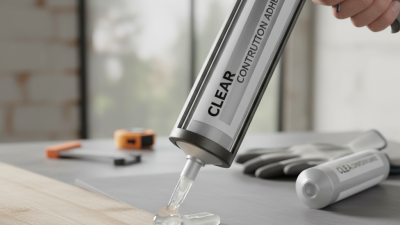
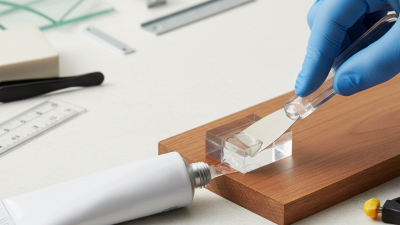
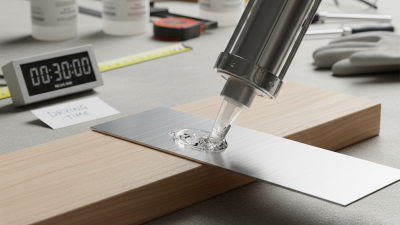
Consider the method of application. Many adhesive types require a precise bead for effective bonding. Using a caulking gun allows for greater control. For larger areas, a notched trowel can help spread adhesive evenly. Pay attention to the recommended drying time. Rushing can lead to a weaker bond or misalignment.
Proper pressure during application can enhance adhesion. Firmly press the materials together; this eliminates air pockets. Patience is key here. Allow the adhesive to cure fully before applying stress to the bond. This is an often-overlooked step that can lead to long-term issues. Regularly assess your technique. Small adjustments can make a significant difference.
Safety Tips and Best Practices When Using Adhesives
When working with clear construction adhesives, safety is paramount. Always wear appropriate personal protective equipment, such as gloves and goggles. This protects your skin and eyes from potential irritants. Ensure your workspace is well-ventilated. Many adhesives emit harmful vapors. Taking a few moments to open windows or use a fan can make a significant difference.
Proper application techniques can also enhance safety. Apply adhesives in thin layers. This not only promotes better adhesion but also reduces excess fumes. Avoid overusing adhesive, as this can lead to messy and potentially dangerous spills. Keep all adhesive products out of reach of children and pets. Storing them in a secure, designated area ensures safety in your home or workspace.
Regularly check your adhesive for expiration dates. Using expired products can compromise your projects. Be mindful of the surfaces you are working with. Some adhesives may not bond well to specific materials. If your project doesn’t seem to be working, it’s important to step back and reassess your approach. Always prioritize safety, even if it means redoing a step. Taking time to reflect on your process can lead to better outcomes.
Top 10 Clear Construction Adhesive Options