Top Outdoor Construction Adhesive Tips for Buyers?
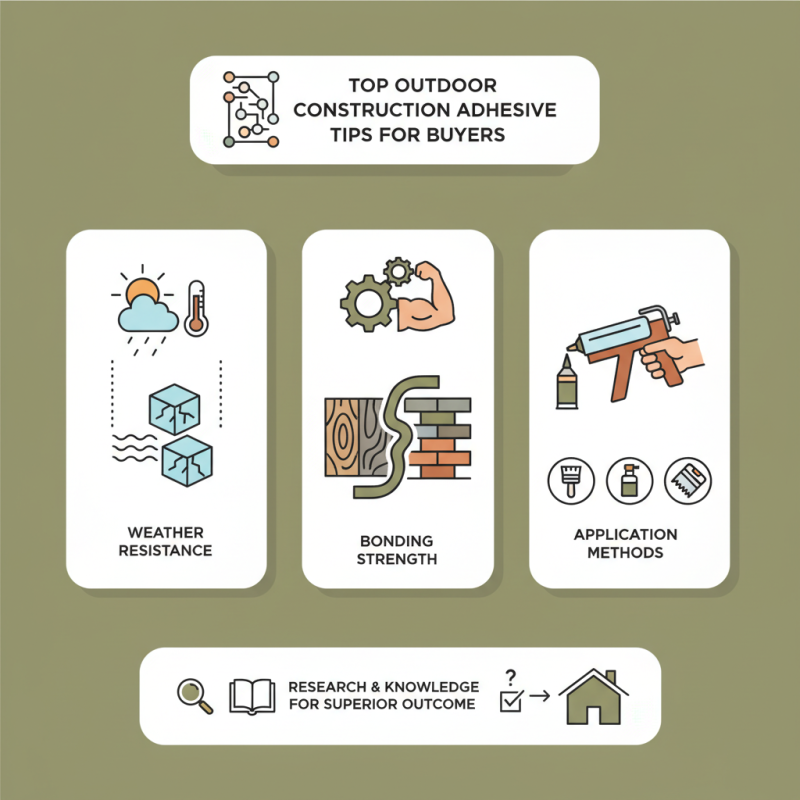
When embarking on outdoor projects, choosing the right outdoor construction adhesive is crucial. It ensures the longevity and stability of various materials you plan to use. Not all adhesives are created equal. Factors like weather resistance, bonding strength, and application method play a significant role in your choice.
Many buyers overlook essential details while selecting their adhesive. For instance, not all products can withstand extreme temperatures or moisture. Make sure to consider the specific conditions your project will face.
Proper research and knowledge can lead to a superior outcome. Understanding the types of outdoor construction adhesives available can help prevent costly mistakes. Companies often have different formulations, which can significantly impact performance. A well-informed decision will reflect your skill and dedication to quality in your construction endeavors.
Essential Characteristics of Outdoor Construction Adhesives
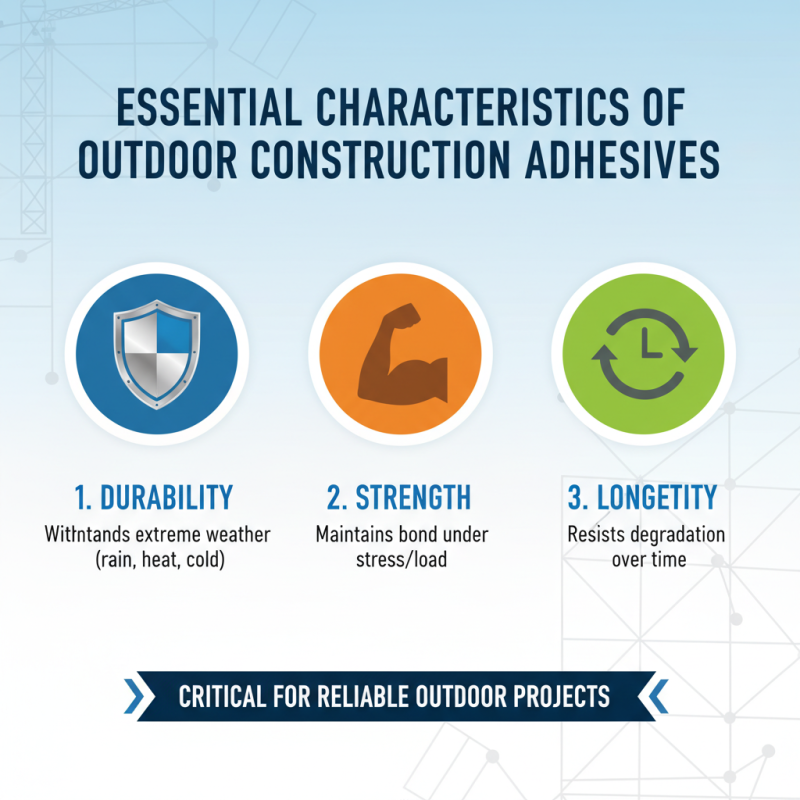
When selecting outdoor construction adhesives, certain characteristics are essential. Durability must be a top priority. Adhesives should withstand various weather conditions, including rain, heat, and freezing temperatures. A reliable adhesive maintains its bond under stress and won't degrade over time.
Water resistance is another critical feature. Outdoor projects often face moisture exposure. An effective adhesive should form a strong barrier against water, preventing it from weakening the bond. Additionally, flexibility is important. An adhesive that can adapt to structural movement will endure changes in temperature and humidity without cracking.
Users often overlook curing time. A longer curing period can delay project completion. Yet, faster-curing adhesives may compromise bond strength. Striking a balance is vital. Finally, consider ease of application. Complex processes can lead to errors, especially for novices. A straightforward application increases the likelihood of success.
Types of Outdoor Construction Adhesives and Their Applications
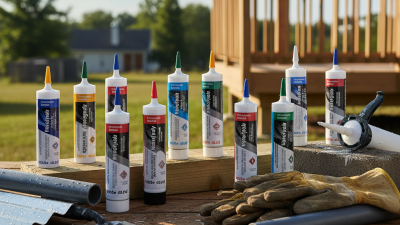
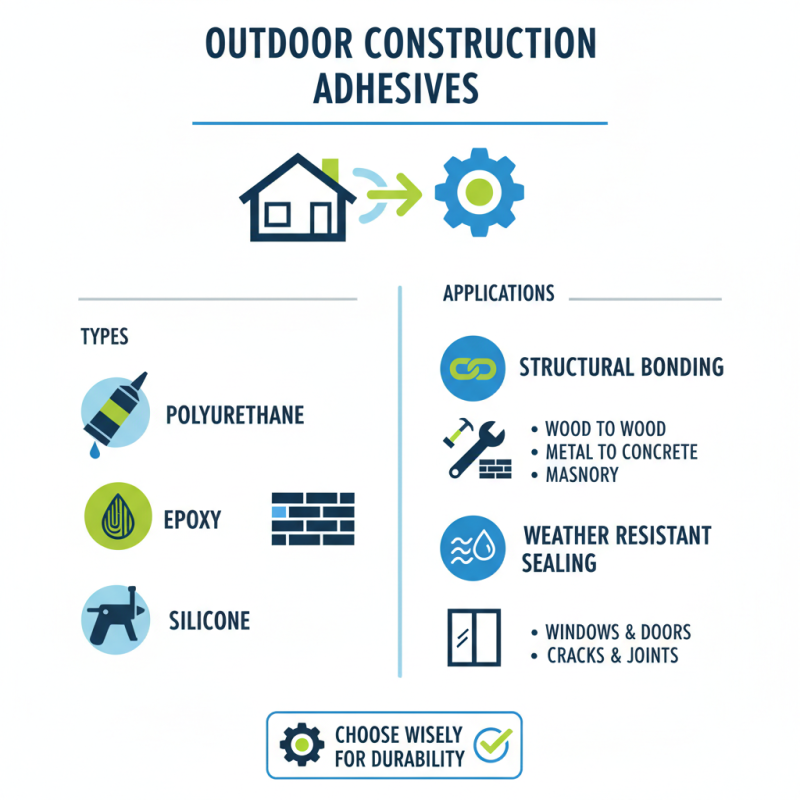
When selecting outdoor construction adhesives, understanding their types and applications is crucial. Different projects require specific adhesives. For example, polyurethane adhesives are ideal for structural bonding. They withstand moisture and offer strong flexibility. This makes them suitable for various materials, including wood and metal.
Epoxy adhesives are another option, renowned for their durability. They bond well with concrete, making them perfect for outdoor surfaces. However, they may need careful mixing and handling. Users should pay attention to the curing time. In some cases, difficult weather conditions might affect performance.
Consider silicone sealants for weatherproofing. They excel in sealing joints and preventing leaks. Yet, not all silicone adhesives bond strongly with porous surfaces. Users must test these adhesives to ensure compatibility. Reflecting on these challenges can help in selecting the right adhesive for outdoor projects.
Factors to Consider When Choosing Outdoor Adhesives
When selecting outdoor construction adhesives, several factors are critical to ensure longevity and effectiveness. Temperature resistance is one of the foremost considerations. Many adhesives function optimally between 40°F and 100°F. A report from the Adhesive and Sealant Council indicates that improper temperature conditions can reduce adhesive bonds by up to 50%. Therefore, it is essential to choose an adhesive that suits the climate of your project area.
Moisture exposure is another vital element. Certain adhesives are formulated to bond in humid conditions, while others may falter. According to industry data, adhesives that resist water can enhance performance by extending the life of outdoor projects. Additionally, UV resistance will help maintain the integrity of the adhesive under sun exposure. It’s crucial to read the specifications carefully. Not all adhesives are created equal, and some may fail in specific environments. This inconsistency can lead to costly repairs in the future.
Finally, surface compatibility is paramount. Rough surfaces may require adhesives with unique formulations. Data shows that nearly 30% of adhesive failures result from poor surface preparation or incorrect product choice. Understanding these nuances can prevent unnecessary issues. Anticipating challenges is vital for successful outdoor projects. Regular reviews and updates on adhesive performance within your context are recommended to align with new product innovations.
Top Outdoor Construction Adhesive Factors to Consider
Tips for Proper Application of Outdoor Construction Adhesives
When applying outdoor construction adhesives, preparation is key. Ensure surfaces are clean, dry, and free of debris. Dust and moisture can undermine adhesion quality. For best results, use a wire brush or scraper to eliminate old residues. Wearing gloves will keep your hands clean and safe.
Temperature plays a significant role. Most adhesives require a specific temperature range for optimal curing. Check the product instructions for guidance. Using adhesives in extremely cold or hot conditions can lead to failure. Observe the recommended curing time carefully. Rushing through this can cause weak bonds.
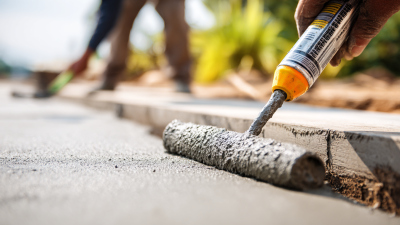
Lastly, consider the application method. A steady, even pressure helps in achieving a strong hold. Some recommend using a caulking gun for more control. Mistakes can happen, and bubbles or uneven layers may appear. If this occurs, don’t panic. Allow it to cure, then simply apply another layer to correct any imperfections. Always reflect on your process to improve future applications.
Common Mistakes to Avoid with Outdoor Adhesives
When using outdoor construction adhesives, it's crucial to avoid common mistakes. One major error is not checking the weather conditions before application. Adhesives may not cure properly in extreme temperatures or high humidity. Always consider these factors before starting your project.
Another frequent mistake is failing to prepare surfaces adequately. Clean and dry surfaces ensure better bonding. Remove dirt, dust, and grease. Skipping this step may lead to weak adhesion. Take your time and focus on surface preparation.
Here are some handy tips: Use the right adhesive for specific materials. Different projects require different types. Always read instructions carefully. Follow recommended application methods. A little attention can save you from costly repairs later. Remember, patience is key in outdoor construction tasks. Don’t rush the process; let the adhesive cure fully before putting stress on it.
Top Outdoor Construction Adhesive Tips for Buyers - Common Mistakes to Avoid with Outdoor Adhesives
| Tip |
Common Mistake |
Solution |
| Choose the Right Type of Adhesive |
Using indoor adhesive for outdoor applications |
Always check product specifications for outdoor use |
| Prepare Surfaces Properly |
Not cleaning surfaces before application |
Clean and dry surfaces thoroughly before adhesive application |
| Follow Temperature Guidelines |
Applying adhesives in extreme temperatures |
Adhere to the manufacturer's temperature recommendations |
| Use Proper Quantity |
Applying too little or too much adhesive |
Measure the adhesive required accurately before application |
| Allow for Proper Curing Time |
Rushing the curing process |
Wait for the recommended curing time before exposing to stress |