How to Choose the Best Subfloor Adhesive for Your Project?
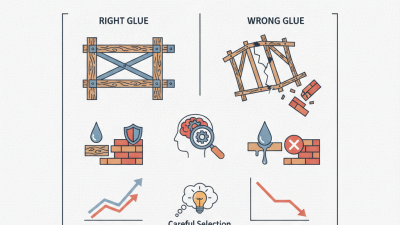
When embarking on a flooring project, selecting the right Subfloor Adhesive is crucial. A solid adhesive not only ensures longevity but also enhances performance. According to industry reports, improper adhesive choice can lead to significant issues, such as lifting or squeaking floors. In fact, over 30% of flooring failures are attributed to inadequate adhesive application and selection.
Choosing the best Subfloor Adhesive requires understanding various factors. These include the type of flooring, subfloor material, and environmental conditions. The market offers a variety of adhesives, each with specific properties and application methods. Unfortunately, many project managers overlook these details, which can lead to costly repairs and dissatisfaction.
It’s essential to weigh options carefully. Rely on products with proven track records. Installers should consider manufacturer recommendations and performance testing data. Inadequate research can result in subpar bond strength and durability. Selecting the right adhesive contributes to a project's overall success and reliability.
Types of Subfloor Adhesives and Their Uses
Choosing the right subfloor adhesive is crucial for a successful flooring project. Various types of adhesives serve different purposes. Firstly, there are water-based adhesives. These are user-friendly and easy to clean up. They work well for wooden subfloors and are less harmful to indoor air quality. However, they may not provide the strongest bond in high-moisture areas.
Next, we have solvent-based adhesives. These offer excellent adhesion and are ideal for concrete subfloors. They perform well under stress and temperature fluctuations. However, they can have strong fumes. It’s essential to ventilate the area adequately.
Lastly, polyurethane adhesives are incredibly versatile. They bond to various surfaces and resist moisture. But they can be difficult to work with. You may need to dedicate extra time to get the application right.
Consider your specific needs before making a choice. The right adhesive can enhance durability. However, choosing the wrong one can lead to problems down the line. Always read the product instructions carefully.
Understanding the differences and implications of each type ensures a stronger, more reliable foundation for your flooring.
Factors to Consider When Choosing Subfloor Adhesive
When selecting a subfloor adhesive, consider the material of your subfloor. The compatibility between adhesive and subfloor is crucial. Some adhesives work best with plywood, while others are ideal for concrete. Check local climate conditions as well. Humidity may influence the adhesive’s performance over time. Selecting the right type can save you from future issues.
Tips: Test a small area before full application. This shows how the adhesive interacts with your subfloor. Look for any immediate reaction. Consider the weight of the flooring being installed. A heavier floor may require a stronger adhesive for stability. Evaluate the drying time as well. Allowing adequate drying can influence your project’s timeline.
Think about the ease of application too. Some adhesives may require special tools or techniques. Assess your skill level realistically. Over-application could lead to wastage and uneven adhesion. The specific environment, such as temperature and ventilation, plays a role. Ignoring these factors may lead to poor results. Stay informed and adaptable during the process.
How to Choose the Best Subfloor Adhesive for Your Project?
| Factor |
Description |
Recommended Use |
| Moisture Resistance |
Ability to withstand exposure to moisture without breaking down. |
High-humidity areas like bathrooms and kitchens. |
| Drying Time |
Time required for the adhesive to set and cure. |
Projects with time constraints or quick installation needs. |
| Flexibility |
Ability to accommodate movement and prevent cracking. |
Subfloors prone to expansion and contraction. |
| Bond Strength |
Strength of the bond created between the adhesive and flooring materials. |
Heavy traffic areas like living rooms and commercial spaces. |
| Application Method |
How the adhesive is applied, such as trowel, spray, or caulk. |
User preference and tool availability. |
Application Methods for Different Types of Adhesives
When selecting a subfloor adhesive, understanding application methods is crucial. Various adhesives require distinct techniques for optimal performance. For example, construction adhesives often come in cartridges that allow for a precise application along the joists or subfloor edges. This helps create a strong bond between surfaces. According to a study by the Journal of Adhesion Science, using the right application method can increase adhesive effectiveness by up to 30%.
Water-based adhesives are particularly popular for certain projects. They can be spread using a notched trowel, ensuring an even coat. This technique is vital for materials like engineered wood and laminate. Research indicates that an even application enhances adhesion, leading to fewer floor movement issues over time. Notably, improper application can lead to significant flooring problems, including warping and cupping.
Finally, it's important to consider setting times and conditions for each adhesive type. Some adhesives cure faster in warmer conditions. Others may require humidity control for proper adhesion. Data from the National Wood Flooring Association suggests that improper environmental conditions can result in an adhesion failure rate of nearly 20%. Understanding these details will guide you to choose the right method for your specific adhesive.
Environmental Considerations and Adhesive Selection
When selecting a subfloor adhesive, environmental considerations play a crucial role. Traditional adhesives often contain harmful VOCs that can affect indoor air quality. Opting for low-VOC or VOC-free options can significantly reduce these risks. This choice benefits both the environment and the people living in the space. Not all eco-friendly adhesives perform the same, so it’s essential to research and understand their properties.
Choosing the right adhesive requires understanding its composition. Water-based adhesives are often safer, but their bond strength can vary. Some may not hold up well in humid conditions. It's important to weigh the pros and cons based on the project specifics. Engaging with specialists or reviewing trusted resources can provide insights into the latest eco-conscious options.
Although it may seem easier to use conventional products, the long-term impact of adhesive choice is significant. Often, users overlook disposal methods for leftover adhesive. Improper disposal can harm the environment. Thus, consider all aspects of your adhesive choice to ensure it aligns with sustainable practices. This reflection can lead to more informed, responsible decisions for future projects.
Tips for Ensuring Strong Bonding and Long-Lasting Results
Selecting the right subfloor adhesive is crucial for achieving a strong bond. Poor adhesive choices can result in squeaks and movement. According to the National Wood Flooring Association, improper bonding is a leading cause of floor failures. To ensure lasting results, consider the substrate you’re working with. Different materials may require specific adhesives to achieve optimal performance.
Humidity and temperature are vital factors. Adhesives perform differently in varying environments. A report from the Adhesive and Sealant Council indicates that moisture exposure can weaken bonds. Therefore, acclimating materials can help minimize potential issues. Have you considered testing adhesive samples before full application? This step can prevent future complications.
Make sure to follow the manufacturer’s instructions rigorously. Variations in mixing ratios can lead to inadequate bonding. A study by the Floor Covering Institute shows that uneven application could reduce adhesive strength. Inspect your application method regularly to maintain a consistent thickness. Small inconsistencies can add up, impacting the overall durability of your flooring.