What is Construction Epoxy Adhesive and How is it Used?
Construction Epoxy Adhesive is a critical component in the modern construction industry. This versatile adhesive is known for its extraordinary bonding strength, durability, and resistance to environmental factors. According to a report by the Global Epoxy Adhesive Market, the demand for construction adhesives is projected to grow at a CAGR of 5.9% from 2021 to 2028. This significant growth indicates that construction professionals recognize the value of high-performance materials.
The applications of Construction Epoxy Adhesive are extensive. It is used in various projects, ranging from structural repairs to intricate architectural designs. For instance, it ensures a strong bond between concrete surfaces and is ideal for metal and wood applications. However, despite its advantages, some users highlight challenges in the application process. For example, the mixing ratio must be precise for optimal performance.
As the construction industry evolves, so do the techniques and materials utilized. Innovations in epoxy formulations may improve ease of use and application. Nevertheless, professionals must remain vigilant regarding surface preparation and curing times. These factors can significantly impact the adhesive's performance. Understanding the nuances of Construction Epoxy Adhesive can lead to superior results in construction endeavors.
What is Construction Epoxy Adhesive?
Construction epoxy adhesive is a versatile bonding agent widely used in various industries. This adhesive consists of a resin and a hardener, which chemically react to form a durable bond. According to a recent report by the Adhesives and Sealants Industry, the global epoxy adhesives market is estimated to reach $13 billion by 2026. Their ability to bond diverse materials, such as metals, concrete, and wood, makes them essential in construction and manufacturing projects.
The properties of construction epoxy adhesive are impressive. It exhibits high tensile strength and resistance to factors like moisture, chemicals, and temperature fluctuations. However, its application can be tricky. Precise mixing ratios are crucial for achieving optimal strength, and improper curing can lead to weaker bonds. Common issues include surface preparation and environmental conditions. A report by MarketsandMarkets indicates that improper surface treatment accounts for nearly 30% of adhesive failures in construction.
Moreover, while epoxy adhesives are incredibly strong, their rigidity can also be a drawback. In applications subjected to dynamic loads or vibrations, this rigidity may lead to potential failures over time. Real-world case studies show that flexibility in bonding is sometimes necessary, emphasizing the importance of understanding specific project requirements. Being aware of these factors helps professionals make informed decisions when selecting adhesives for their projects.
What is Construction Epoxy Adhesive and How is it Used?
| Property |
Description |
| Type |
Two-component system |
| Composition |
Epoxy resin and hardener |
| Curing Time |
Varies; typically 5-24 hours |
| Temperature Resistance |
-40°F to 200°F (-40°C to 93°C) |
| Adhesion Strength |
High; excellent bonding efficiency |
| Common Uses |
Structural bonding, repairs, coating |
| Application Method |
Mix and apply using a dispenser |
| Surface Preparation |
Clean and roughen surfaces for better adhesion |
| Safety Precautions |
Wear gloves and work in a ventilated area |
Types of Construction Epoxy Adhesive
Construction epoxy adhesives are essential in various fields, known for their strong bonding properties. They come in different types, each serving specific applications.
Epoxy adhesives can be categorized into two-part systems and single-part systems. Two-part systems cure through a chemical reaction between the resin and hardener, making them ideal for heavy-duty applications. In contrast, single-part systems, which rely on heat or moisture to cure, are often used for quick repairs.
A report from the International Journal of Adhesive and Adhesion notes that the demand for construction epoxy adhesives is projected to grow at a CAGR of 6.7% through 2027. This growth can be attributed to their use in sectors like construction, automotive, and electronics. For construction, epoxy adhesives excel in bonding concrete, metal, and wood. They provide resistance to chemicals and moisture, vital for long-lasting structures.
However, not all epoxy adhesives perform equally.
Some may lack adequate flexibility, posing risks in applications involving thermal expansion. Users should evaluate their specific needs to select the right type. This decision process highlights the importance of understanding the various options before application. The performance metrics vary significantly, depending on the formulation, which can impact the desired outcome.
Applications of Construction Epoxy Adhesive in Various Industries
Construction epoxy adhesive is a versatile material used across various industries. In construction, it is prized for its strong bonding capabilities. This adhesive can bond materials like concrete, metal, wood, and fiberglass. Its durability makes it ideal for structural repairs and load-bearing applications.
In the automotive sector, epoxy adhesives quickly gain traction. They are used for attaching panels and components. Epoxy ensures a strong bond that can withstand vibrations and temperature changes. Tips for working with epoxy in this field include proper surface preparation for optimal adhesion.
The aerospace industry also benefits from epoxy adhesives. Their lightweight nature and strength make them perfect for aircraft construction and maintenance. They not only reduce weight but also enhance structural integrity. However, attention to curing times and environmental conditions is essential for reliable results.
Using construction epoxy adhesive can have its challenges. It may require careful mixing and application methods. Avoid rush jobs; allow adequate time for curing. Each project presents unique conditions that might affect performance. Always test in a small area first to ensure compatibility.
Benefits of Using Construction Epoxy Adhesive
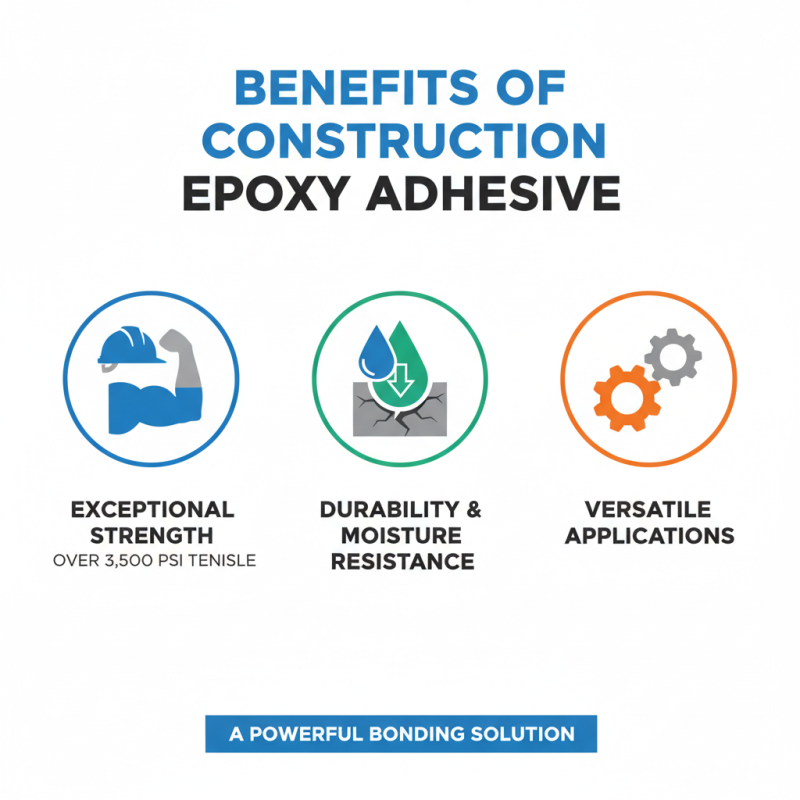
Construction epoxy adhesive is a powerful bonding solution used in various applications. Its benefits are noteworthy for any construction professional. One significant advantage is its exceptional strength. According to a report by the American Institute of Steel Construction, epoxy can achieve tensile strengths exceeding 3,500 psi. This makes it ideal for heavy structural components.
Another key benefit is its resistance to environmental factors. Epoxies can withstand harsh conditions, including moisture, chemicals, and temperature fluctuations. A study by the Department of Transportation showed that structures bonded with epoxy adhesives last significantly longer than those using conventional methods. This longevity can lead to reduced maintenance costs over time.
However, the application of epoxy adhesive is not without challenges. Proper surface preparation is crucial to ensure optimal adhesion. In some cases, improper mixing ratios can lead to weak bonds. This often results in costly repairs and delays. Understanding these potential pitfalls is essential for effective use in construction projects.
Proper Mixing and Application Techniques for Epoxy Adhesive
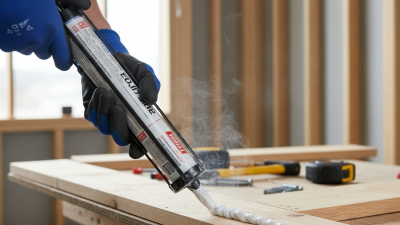
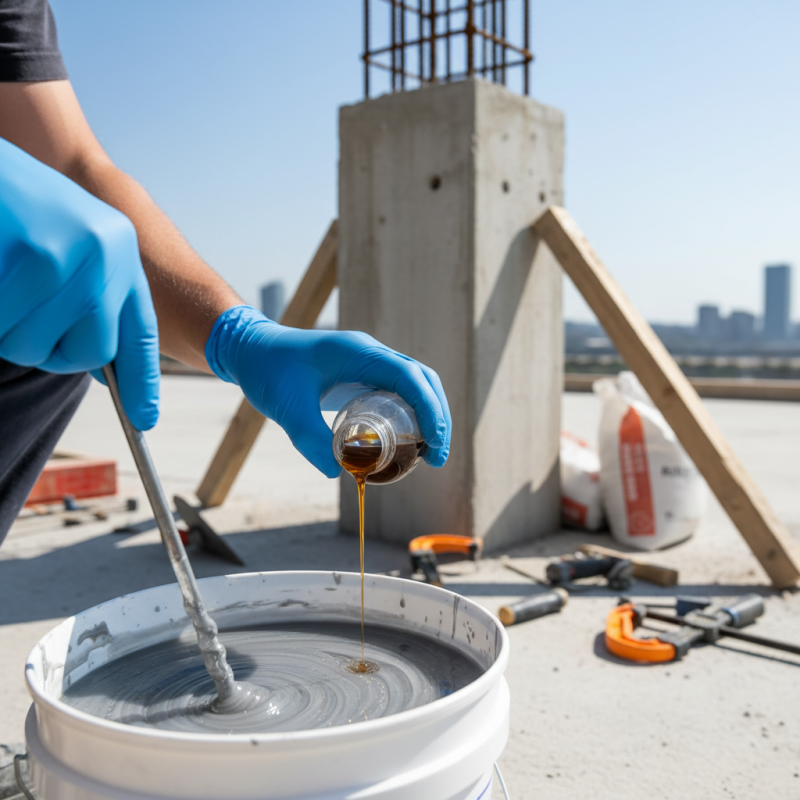
Proper mixing of epoxy adhesive is crucial for strong bond performance. According to the American Institute of Constructors, achieving optimal adhesion largely depends on correct ratios and thorough blending of components. The typical mixing ratio is often 2:1 or 1:1 for resin and hardener, but this can vary. Misjudging these proportions can result in weak bonds, impacting the integrity of the constructed element.
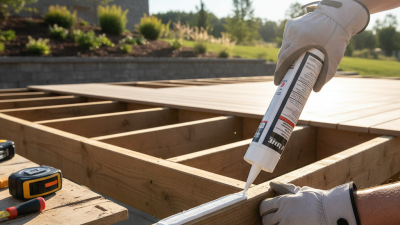
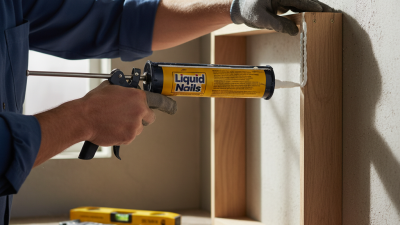
Application techniques also play a vital role. Start with clean surfaces, free from oils and dust, for the best results. Use appropriate tools, such as spatulas or brushes, to spread the adhesive evenly. The working time for epoxy varies, generally ranging from 30 to 60 minutes. During this period, applying the adhesive should be done carefully; excessive time before setting may lead to reduced adhesion. Additionally, environmental factors can affect curing times, which must be taken into account.
It's essential to remember that different projects may require different approaches. Not every epoxy performs well under varying conditions. Testing the adhesive on small surfaces before full application is a prudent method. This allows for assessment of bond strength and workability. Many in the industry overlook this step, leading to potential failures down the line. Inadequate attention to detail can result in costly mistakes and project delays.