How to Choose the Best Construction Glue for Your Project?
When embarking on a construction project, the choice of materials is crucial. One of the most vital components is Construction Glue. According to a recent report by the Adhesive and Sealant Council, the global market for adhesives is projected to surpass $54 billion by 2024. Construction Glue plays a significant role within this growth, supporting various applications in both residential and commercial projects.
Selecting the right Construction Glue requires understanding its specific properties. For example, some glues excel in bonding wood, while others perform better with metal or plastic. A study from the University of Massachusetts suggests that improper glue choice can result in up to 40% of structural failures in construction. This alarming statistic highlights the importance of making informed decisions about adhesive selection.
Despite the advances in adhesive technologies, challenges remain. Users often overlook factors like curing time, temperature sensitivity, and load capacity. These oversights can lead to project delays or additional costs. Therefore, it's essential to consider all aspects before settling on a specific Construction Glue. Making a well-informed choice can contribute to the overall success of your construction project.

Understanding Different Types of Construction Glue: An Overview of Adhesive Categories
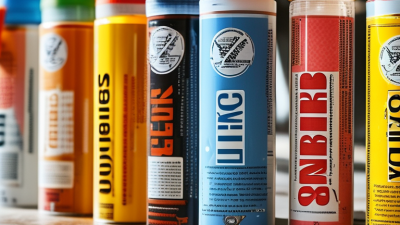
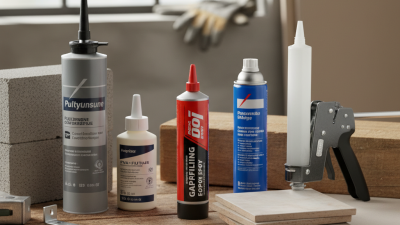
When selecting construction glue, it’s essential to understand the various types available. Different projects require different adhesive qualities. There are several core categories of construction glues, each serving unique purposes.
For instance, PVA glue is ideal for wood and paper projects. It dries clear and is easy to clean up. However, it isn’t waterproof, which could be problematic for outdoor applications. Consider using polyurethane glue for projects exposed to moisture. This adhesive expands as it cures, creating a strong bond. But, its curing time can be longer, requiring patience during assembly.
Epoxy is another versatile option. It combines a resin and hardener, creating strong bonds on various surfaces. Yet, it can be tricky to mix correctly, leading to potential weaknesses. Understanding these categories allows for better decision-making in your construction projects. Reflecting on the project's specific needs will guide the selection of the appropriate glue.
Key Factors to Consider When Selecting Construction Glue for Your Project
Choosing the right construction glue requires careful consideration. First, assess the materials you will bond. Different glues work better with wood, metal, or plastic. The strengths of these materials can influence your choice. A glue that excels with one material may not perform well with another. Testing small samples can help you avoid costly mistakes.
Another factor is the environment. Will your project face moisture or extreme temperatures? Some adhesives are water-resistant, making them better suited for outdoor use. Others may break down under heat. Think about the longevity of your project. Long-lasting bonds save you time and money in the long run.
Don't overlook application methods. Some glues require precise positioning, while others allow for adjustments. Consider the ease of use, especially for large projects. A complicated application can lead to frustration and uneven results. Reflect on your past experiences with different adhesives. Learning from previous projects can guide your choices now.
Construction Glue Performance Comparison
Comparative Strength Ratings of Popular Construction Glue Brands and Types
Choosing the right construction glue requires understanding its strength ratings. Different types of glue serve various purposes. For woodworking, you might need a polyurethane adhesive, while for concrete, an epoxy might be better suited.
When comparing brands, it becomes evident that not all glues are created equal. Some may bond wood and metal well, while others excel with ceramics. Testing each type is crucial. A friend once used a highly rated glue on outdoor furniture, only to see it fail in damp conditions. It’s a reminder that environmental compatibility matters.
Strength ratings often depend on user experience and project specifics. A strong adhesive might not work well in every situation. Sometimes, the most expensive option isn't the best for a simple home project. In the end, it's about finding the right balance of strength and application suitability for your unique needs.
Environmental Impact and Safety Considerations in Construction Adhesive Applications
When selecting construction glue, environmental impact is a significant consideration. Many adhesives contain volatile organic compounds (VOCs), which can harm indoor air quality. Studies have shown that VOC levels can be 2 to 5 times higher indoors than outdoors. Reducing these toxins in adhesive products is crucial for healthier work and living spaces.
Safety is another critical aspect. According to the U.S. Environmental Protection Agency (EPA), long-term exposure to certain adhesive ingredients may lead to respiratory issues. Additionally, adhesive containers should have proper safety labels to guide users. Research indicates that 20% of construction workers face health risks related to improper glue handling. Using safer alternatives is vital for both immediate and long-term health.
While many options exist, not all adhesives provide a balanced ecological and safety profile. Some may excel in strength but pose health risks. Seeking adhesives with low VOC content and clear safety data can be more challenging. Transitioning to eco-friendly options often leads to unexpected performance issues. Thus, understanding the trade-offs is essential in making informed choices.
Application Techniques: Maximizing the Effectiveness of Your Chosen Adhesive
Choosing the right construction glue extends beyond just selecting a type. Proper application techniques can significantly enhance effectiveness. Begin with surface preparation. Ensure surfaces are clean, dry, and free of dust or grease. This small step boosts adhesive performance.
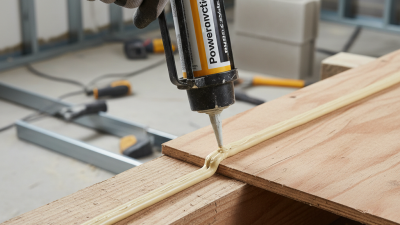
When applying glue, consider the environment. Temperature and humidity can affect drying times. In cold or damp conditions, the glue may take longer to set. Adjust your timeline accordingly. For best results, use a consistent bead of adhesive. Avoid clumps, as uneven distribution can lead to weak bonds.
Tips to remember: Always test a small area first. This helps you assess how well the adhesive works with your materials. Also, don't rush the curing time. Patience can lead to a stronger bond. As you proceed, monitor the joint or bond. If you notice any gaps or weaknesses, you might need to reapply or switch adhesives. Engaging in these practices can greatly refine your project outcomes.