Best Subfloor Adhesive Options for Your Flooring Projects?
When it comes to successful flooring projects, one often overlooked element is the choice of Subfloor Adhesive. A strong bond between the subfloor and the flooring material can significantly enhance durability and performance. Many homeowners and contractors may underestimate this aspect, leading to costly repairs down the line.
Selecting the right Subfloor Adhesive can be daunting due to numerous options available. Each type has its strengths and weaknesses. Some adhesives offer superior moisture resistance, while others excel in temperature variations. Understanding these characteristics is vital in making an informed decision.
Taking the time to research and test different adhesives can prevent common mistakes. Poor adhesive choices may cause squeaks, gaps, or even flooring failures. Thus, investing in quality Subfloor Adhesive not only ensures a stable foundation but also peace of mind for years to come.
Understanding Subfloor Adhesives and Their Importance
Subfloor adhesives play a vital role in flooring projects. They create a strong bond between the subfloor and the finished floor. This bond enhances durability and stability, minimizing movement and noise. The right adhesive can make a significant difference in the longevity of your floors.
Choosing the correct adhesive requires understanding the subfloor type. Different materials, like plywood or concrete, need specific adhesives. Some adhesives react poorly to moisture, while others are designed for high humidity areas. This detail is crucial for any flooring installation. It's easy to overlook, yet it can lead to costly repairs down the line.
Many homeowners make mistakes when selecting an adhesive. They often choose based on availability rather than suitability. This can result in poor adhesion and floor damage. Always consider factors like temperature and humidity during installation. A bit of research can save future headaches. Understanding these aspects allows for a successful flooring project that lasts.
Best Subfloor Adhesive Options for Your Flooring Projects
| Adhesive Type |
Material Compatibility |
Drying Time |
Water Resistance |
Flexibility |
| Polyurethane Adhesive |
Wood, Laminate |
1-2 hours |
High |
High |
| Acrylic Adhesive |
Vinyl, Rubber |
2-4 hours |
Moderate |
Moderate |
| Solvent-Based Adhesive |
Carpet, Wood |
30 minutes |
High |
Low |
| Epoxy Adhesive |
Concrete, Wood |
24 hours |
Very High |
High |
| Hybrid Adhesive |
Multiple materials |
1-3 hours |
High |
Very High |
Types of Subfloor Adhesives: Advantages and Applications
Choosing the right subfloor adhesive is crucial for lasting flooring projects. Various types of adhesives offer unique advantages depending on the materials used. For instance, polyurethane adhesives provide strong bonding and are excellent for moisture-prone areas. They remain flexible after curing, allowing movement without cracking. This flexibility is critical in homes with varying humidity levels.
Cement-based adhesives are another option. They are particularly suitable for tile installations. Their strong grip ensures that tiles stay in place over time. However, they can be challenging to work with, as they require precise mixing and application. Incorrect ratios can lead to weak bonds. Water-based adhesives also serve specific purposes. They are easier to clean up and emit fewer volatile organic compounds. However, their bonding strength might not match that of more robust options.
Overall, consider the specific requirements of your project when selecting an adhesive. Each type has its pros and cons. Balancing performance with ease of use is essential for a successful installation. Experimenting with different options may also lead to unexpected improvements in your flooring’s longevity.
Factors to Consider When Choosing Subfloor Adhesive
When choosing subfloor adhesive, several important factors should guide your decision. The type of flooring you plan to install plays a critical role. Different materials interact uniquely with adhesives, affecting durability and performance. Consider the environmental conditions too. Humidity and temperature fluctuations can impact adhesive effectiveness.
Another crucial aspect is the adhesive's strength. A strong bond prevents issues like squeaking or shifting over time. Be mindful of drying time as well. Quick-drying adhesives can save time but may not always provide the best bond. Additionally, think about ease of application. Some adhesives come with user-friendly features, which can simplify your project.
Lastly, review safety and health considerations. Choose low-VOC (Volatile Organic Compounds) adhesives for a healthier indoor environment. Pricing is also vital, balancing quality and cost to avoid future problems. Reflect on your previous projects. Did you face issues with your last adhesive choice? Learning from past experiences can guide your selection process effectively.
Top Recommended Subfloor Adhesive Brands for Flooring Projects
When tackling flooring projects, selecting the right subfloor adhesive is crucial for long-lasting results. Numerous studies indicate that an appropriate adhesive can significantly enhance bond strength and moisture resistance. Research by industry experts shows that the right adhesive can reduce floor movement by up to 30%. The result? A solid foundation for your flooring.
Leading brands in the adhesive market focus on versatility. They often produce products that can be used with various materials, including wood, concrete, and tile. Many professionals recommend adhesives that cure quickly and provide a strong grip within hours. Interestingly, some adhesives also offer environmental benefits. Water-based formulas have gained popularity for their lower VOC emissions, aligning with eco-friendly construction practices.
A common issue is the choice between cost and performance. While cheaper adhesives may seem attractive, they often fail in moisture-rich environments. Projects can suffer from issues like warping, which expenses can spiral as a result. Ultimately, understanding the science behind subfloor adhesives can prevent future headaches and ensure a successful flooring installation. Being informed remains essential.
Application Tips for Using Subfloor Adhesives Effectively
Choosing the right subfloor adhesive can make a significant difference in flooring projects. When applying adhesive, preparation is vital. Ensure the subfloor is clean, dry, and free of debris. Vacuum the area thoroughly. If the surface is uneven, consider using a leveling compound. This provides a smooth base for better adhesion.
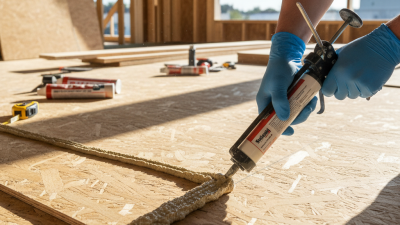
Applying the adhesive requires a steady hand. Use a trowel or adhesive gun for precision. Spread the adhesive evenly to avoid air pockets. It's crucial to follow the manufacturer's instructions regarding drying times. Rushing this step can lead to future problems, such as peeling or tiles shifting.
After applying the adhesive, make sure to press the flooring material firmly into place. Walk over the area with care to ensure proper bonding. Regularly check for any areas that may not have adhered well. If any issues arise, don't hesitate to lift the flooring and reapply the adhesive, ensuring a strong and lasting bond.
Best Subfloor Adhesive Options for Your Flooring Projects
This chart illustrates the adhesive strength of various subfloor adhesives measured in psi (pounds per square inch). Polyurethane adhesives offer the highest strength, making them ideal for demanding flooring projects, while other options like urethane and acrylic provide good alternatives depending on the requirements of your flooring application.