2026 Top Subfloor Adhesive Trends You Need to Know?
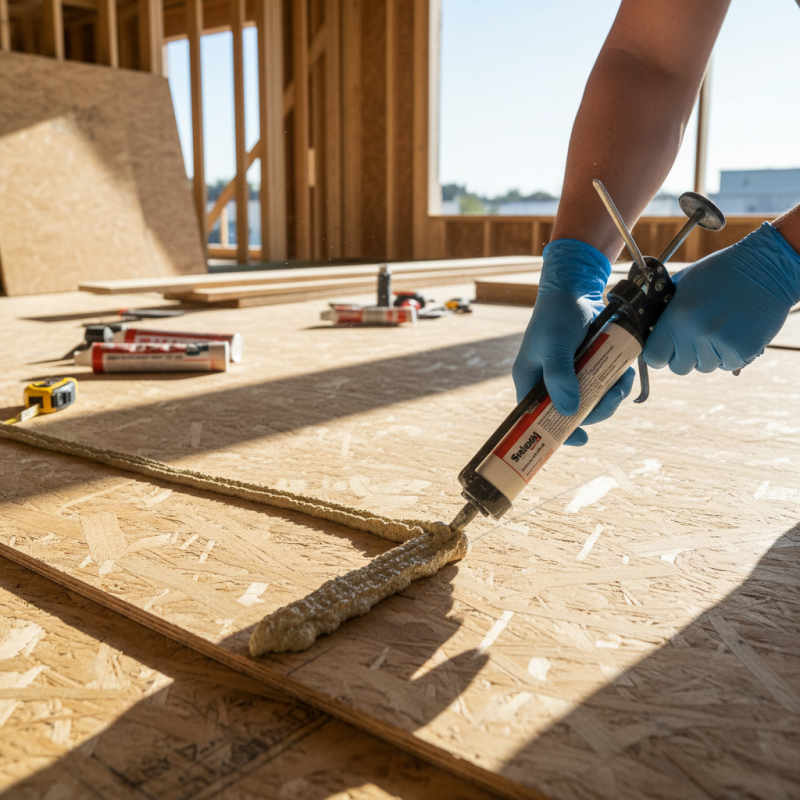
In the realm of construction and home improvement, selecting the right Subfloor Adhesive is crucial. As we approach 2026, industry trends reveal significant advancements in adhesive technologies. These innovations promise to enhance performance and durability, ensuring better installations in various environments.
Understanding subfloor adhesives is vital for contractors and DIY enthusiasts alike. The options available are expanding, but not all products offer the same reliability. Some adhesives prioritize strength, while others focus on flexibility. The debate continues on the best choices for specific materials and conditions.
Navigating this evolving landscape requires knowledge and experience. Some users may face challenges in selecting the right adhesive. Awareness of these trends can help inform better decisions. Ultimately, staying updated on the latest subfloor adhesive developments can lead to more sustainable and efficient building practices.
Emerging Eco-Friendly Subfloor Adhesives and Their Benefits
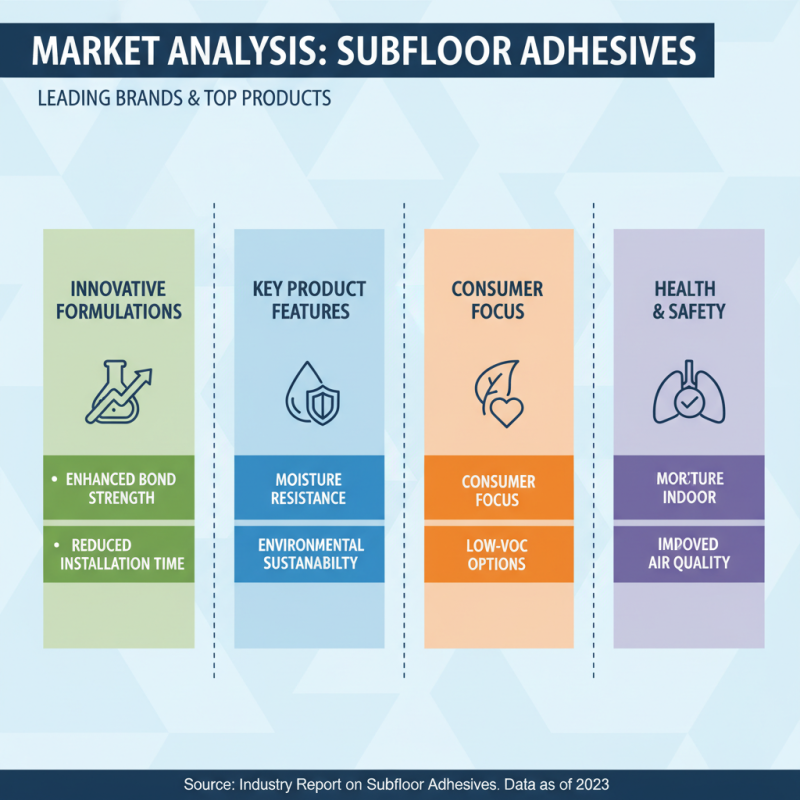
Emerging eco-friendly subfloor adhesives offer significant benefits for both the environment and construction practices. Reports indicate that the global green adhesive market is projected to grow at a CAGR of around 10.5% through 2026. This rise stems from a growing consumer awareness and demand for sustainable building materials. By utilizing bio-based and non-toxic ingredients, eco-friendly adhesives minimize harmful emissions, improving indoor air quality.
Many of these new adhesives feature advanced formulations that enhance durability and bond strength. For instance, one study found that natural resins can outperform traditional synthetic adhesives in moisture resistance. Such properties make eco-friendly options more appealing in areas prone to humidity. However, the industry grapples with the challenge that not all green adhesives currently meet the desired performance standards required for critical applications.
Additionally, manufacturers are continuously researching effective ways to balance sustainability and efficiency. Data shows that while many eco-friendly products offer improved performance, consumers often express concerns about their availability and price. The hesitation over transitioning to these alternatives underscores a need for broader education on their long-term life cycle benefits. As the market evolves, so does the conversation around adhesive sustainability, urging stakeholders to address these vital aspects comprehensively.
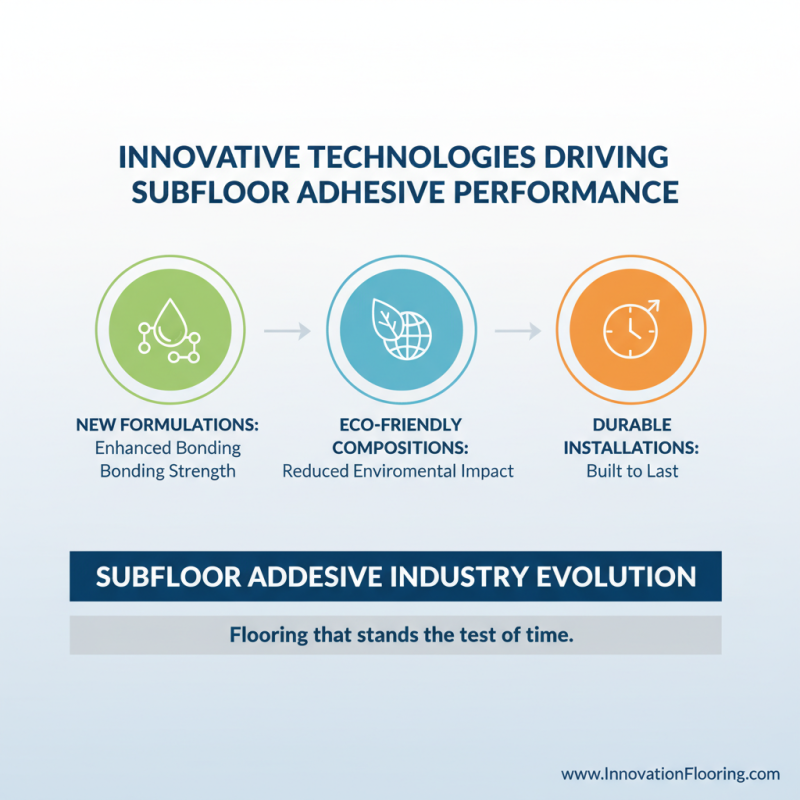
Innovative Technologies Driving Subfloor Adhesive Performance
The subfloor adhesive industry is rapidly evolving. Innovative technologies are reshaping adhesive performance significantly. New formulations are designed to enhance bonding strength while reducing environmental impact. These improvements help flooring installations stand the test of time.
Recent advancements leverage nanotechnology. By using smaller particles, these adhesives penetrate deeper into substrates. This leads to better bonding and moisture resistance. Moreover, smart adhesive systems are emerging. These systems can change properties according to environmental conditions. For example, they can adjust viscosity in response to temperature and humidity variations.
On the flip side, not every new technology proves reliable. Some innovations lack comprehensive testing or real-world applications. Many products have emerged, but not all deliver on their promises. Users need to evaluate performance claims critically. Even with advancements, challenges remain in ensuring consistent quality across different environments. Addressing these issues is essential for manufacturers aiming for long-term success.
Key Factors Influencing Consumer Preferences in Subfloor Adhesives
Consumer preferences in subfloor adhesives are shaped by various key factors. One significant aspect is the increasing demand for eco-friendly products. According to a 2023 market report by the Adhesive and Sealant Council, over 70% of consumers now prefer adhesives that meet environmental standards. This trend emphasizes sustainability and the use of low-VOC formulations.
Additionally, performance characteristics are critical. A recent survey highlighted that 83% of contractors prioritize moisture resistance and bonding strength. These qualities are essential for ensuring long-lasting installations. Interestingly, cost remains a concern for many consumers. A 2022 industry analysis revealed that 45% of buyers are willing to compromise on brand in favor of affordability.
Lastly, the availability of detailed product information influences purchasing decisions. Educational resources and clear labeling help consumers make informed choices. Yet, many products still lack thorough descriptions, leaving potential buyers uncertain. This gap presents an opportunity for improvement within the industry. Addressing these elements can lead to better customer satisfaction and align with the evolving market demands.
Future Predictions for Subfloor Adhesives in Residential and Commercial Use
As the construction industry evolves, subfloor adhesives will undergo significant transformations. By 2026, expect innovations enhancing durability and ease of application. Eco-friendly choices are becoming essential, aligning with the trend of sustainable building practices.
In residential settings, homeowners will lean towards adhesives that offer quick curing times. This will minimize disruption during renovations. Commercial spaces will prioritize formulations that withstand heavy traffic. Increased focus will be on the performance of adhesives in various climates.
Tips: Always check the application temperature of adhesives. Extreme temperatures can affect bond strength. Choose products that provide clear instructions. This will ensure a successful installation. Remember, every subfloor requires careful preparation. A good bond starts with a clean and dry surface.
2026 Top Subfloor Adhesive Trends