Why Choose Building Adhesive for Your Next Project?
When embarking on a new construction project, selecting the right materials is crucial. Building Adhesive plays a pivotal role in ensuring the structural integrity of various applications. Unlike traditional methods, it offers versatility and strength, effectively bonding different surfaces.
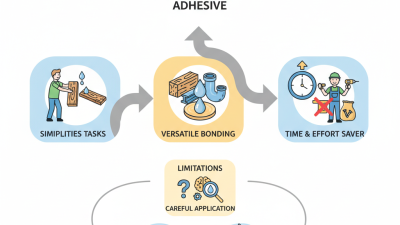
Many professionals favor Building Adhesive due to its ease of use. It saves time during installation, making it ideal for both large and small projects. Yet, many overlook its unique properties. For example, Building Adhesive can withstand varying weather conditions, enhancing durability. However, not all adhesives are equal. Understanding the specific requirements of your project is essential.
Choosing Building Adhesive might seem straightforward, but it comes with its complexities. Evaluating the right type for your needs requires careful consideration. The wrong choice can lead to complications down the road, such as weakened bonds or material incompatibility. Therefore, approaching this decision with diligence is paramount.

Benefits of Building Adhesives in Construction Projects
Building adhesives offer numerous benefits in construction projects. They provide strong bonds between various materials, ensuring durability and longevity. This strength is crucial in both residential and commercial constructions. When properly applied, they can significantly enhance structural integrity, reducing the risk of failure over time.
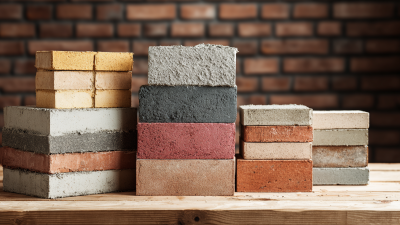
One key advantage of building adhesives is their versatility. They can bond materials such as wood, metal, and concrete. This allows for innovative designs not achievable through traditional methods. For instance, you can create intricate, seamless finishes that are both aesthetically pleasing and functional. However, achieving a perfect bond requires careful surface preparation and application, which can be a learning process for many.
The ease of application is another benefit. Unlike traditional fasteners, adhesives can be applied without heavy tools. This can speed up project timelines. Yet, it’s important to recognize that weather conditions and surface cleanliness can affect performance. Builders should pay attention to these factors to optimize results. Missteps in preparation can lead to unsatisfactory outcomes, prompting a need for careful reflection on the application process.
Types of Building Adhesives and Their Applications
Building adhesives have become essential in various construction and DIY projects. They provide strong, durable bonds essential for modern engineering. Different types of adhesives cater to specific materials and applications. Understanding these can significantly impact project success.
Epoxy adhesives are known for their superior strength and resistance to environmental factors. They are often used for metal, wood, and plastics. According to a recent market analysis, the demand for epoxy adhesives is projected to grow by over 5% annually. This growth illustrates their increasing importance in industrial sectors.
Polyurethane adhesives are another versatile option. They are notable for their flexibility and ability to bond dissimilar materials. This type of adhesive performs well in woodworking applications and outdoor projects due to its water-resistant properties. Recent reports indicate that the construction sector primarily drives this adhesive type, emphasizing its reliability in varying environments.
However, there are limitations. Some adhesives take longer to cure and require precise application methods. Even with excellent bonding power, environmental influences can affect their effectiveness. Being aware of these factors is crucial for achieving the desired results.
Factors to Consider When Choosing a Building Adhesive
When selecting a building adhesive, several factors are pivotal. The choice often depends on the materials being bonded. For instance, construction adhesives suit wood and concrete, while elastomeric versions are better for flexible applications. According to a report by Technavio, the global adhesive market is expected to grow by 5.5% from 2021 to 2025. This growth indicates a rising need for specialized adhesives.
Curing time is another critical factor. Some adhesives cure rapidly, while others take longer, impacting project timelines. A quick-curing adhesive may save time, but it could sacrifice bond strength. Conversely, slower cures can strengthen bonds but extend project duration. A survey by the Adhesive and Sealant Council found that 45% of professionals cite curing time as a main consideration when choosing adhesives.
Temperature resistance is essential too. Many construction projects involve ambient temperature fluctuations. An adhesive that excels in extreme temperatures may ensure longevity and performance. However, selecting adhesives based solely on one factor can lead to mishaps. Proper evaluation of environmental conditions and usage is crucial. Balancing these variables leads to a more informed decision, enhancing project success.
Step-by-Step Guide to Proper Application Techniques
When using building adhesive, application techniques significantly impact the bond's strength. Start by preparing the surfaces. Clean and dry them completely. Dust and grease can weaken adhesion. It's crucial to ensure a tight fit where the adhesive will be applied.
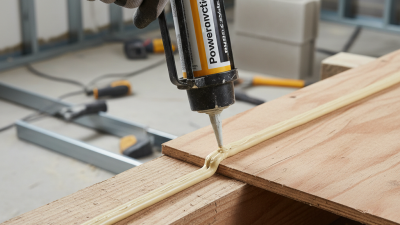
Next, apply the adhesive evenly. A consistent layer helps achieve maximum bonding. Use a caulking gun or a notched trowel, depending on the project. Pay attention to the amount you use. Too little may not hold, while too much can create a mess. Allow for proper curing time. Rushing this step might seem tempting but could compromise the bond.
Be mindful of environmental factors. Temperature and humidity affect drying times. Testing a small area helps gauge how well the adhesive performs under your specific conditions. Sometimes, adjusting the technique is necessary based on results. Reflecting on your process can lead to better future applications. Experiment and document your findings for improved reliability in your next project.
Common Mistakes to Avoid When Using Building Adhesives
When embarking on a building project, using the right adhesive is crucial. However, many make common mistakes that could compromise their work. One major error is underestimating surface preparation. Clean, dry surfaces enhance adhesion quality. Failing to remove dust or grease can lead to insufficient bonding.
Another frequent mistake is improper application. Users often apply too much adhesive, causing it to ooze out and create a messy finish. On the flip side, using too little can result in weak joints. Achieving the right balance is key.
Tips: Always follow the manufacturer's guidelines for application methods and drying times. Measure carefully to avoid using excess adhesive. Practice makes perfect; test the application on a small area first. By paying attention to these details, you can avoid typical pitfalls and ensure a strong, lasting bond in your project.
Building Adhesive Usage Statistics - Common Mistakes to Avoid