Top 5 Construction Glue Products for Stronger Bonds and Project Success
In today's construction industry, the importance of reliable adhesives cannot be overstated. According to a report from the Adhesive and Sealant Council, the global adhesive market is projected to reach over $70 billion by 2026, with construction glue playing a pivotal role in this growth. The demand for strong, durable bonds that can withstand various environmental conditions has driven manufacturers to innovate and improve their product formulations.

With advancements in technology, construction glue products have evolved significantly, offering enhanced performance characteristics such as increased shear strength, resistance to moisture, and faster curing times.
When selecting construction glue for projects, professionals must consider factors like application type, substrate materials, and environmental conditions. A well-chosen construction adhesive not only ensures structural integrity and longevity but also enhances project efficiency. For instance, a report from Freedonia Group highlights that the demand for construction adhesives is expected to rise by 4.1% annually, reflecting a shift towards more sustainable and high-performance bonding solutions.
In this article, we will explore the top five construction glue products that epitomize excellence in bonding technology, ensuring that your projects succeed with the strongest possible connections.
Choosing the Right Type of Construction Glue for Your Project
When embarking on a construction project, selecting the right type of construction glue
is essential for achieving durable bonds and ensuring overall project success.
Different types of construction adhesives cater to various materials and conditions, so understanding their specific applications
is crucial. For instance, polyurethane glue is known for its versatility and strength,
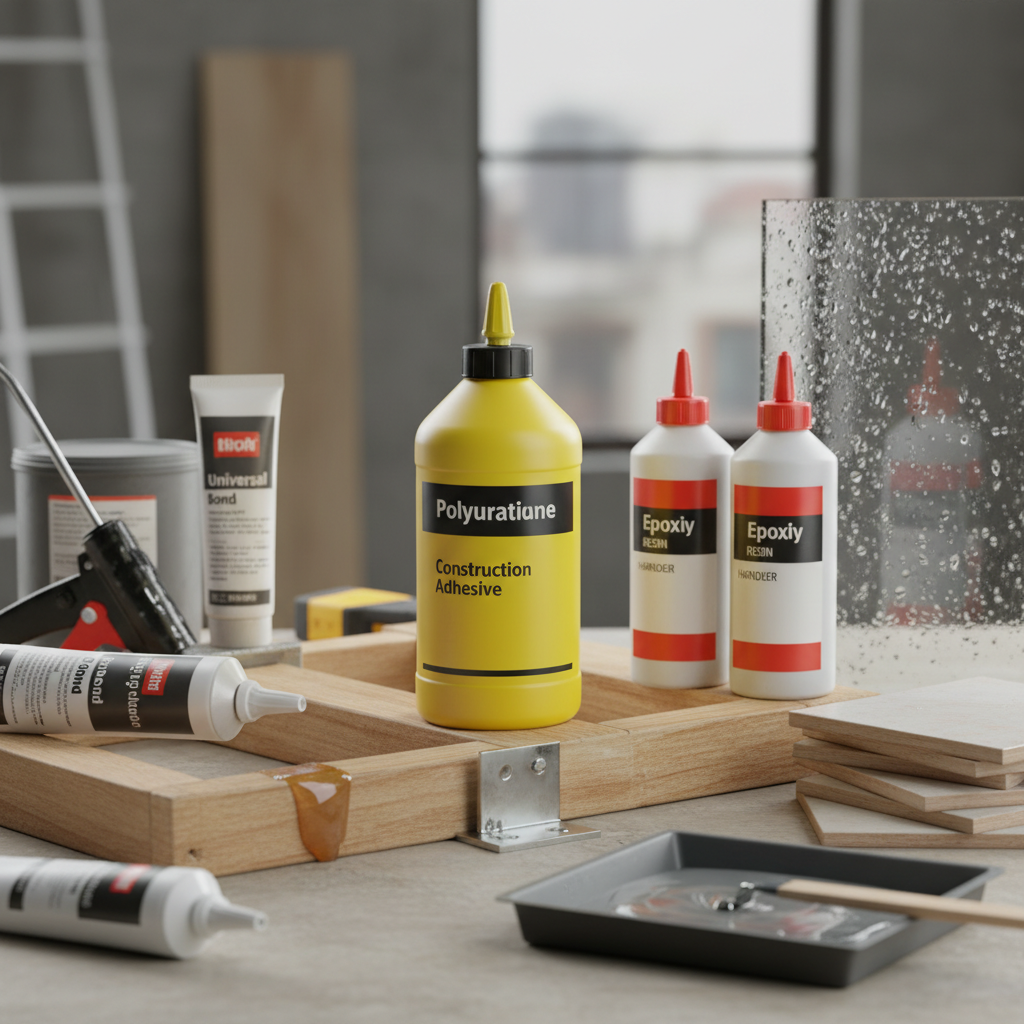
making it ideal for bonding wood, metal, and even plastics. Conversely, epoxy adhesives
offer superior water resistance and are best suited for projects that require a strong, lasting bond in challenging environments.
Additionally, considering factors like drying time and temperature resistance
can significantly impact your project's outcome. For indoor projects, a fast-drying glue can help streamline tasks, while outdoor projects
may benefit from adhesives that perform well in extreme weather conditions. It's also important to assess the materials being bonded;
gel-based adhesives are perfect for vertical surfaces since they won’t run, whereas liquid adhesives
can penetrate porous surfaces effectively. By evaluating these factors, you can choose the most appropriate construction glue, ultimately
leading to stronger bonds and a more successful project completion.
Essential Features to Look for in a Strong Construction Adhesive
When selecting the best construction adhesive, understanding essential features that define strong adhesion is crucial. Key attributes to consider include the adhesive's bond strength, curing time, and temperature resistance. According to a report by Grand View Research, the global construction adhesive market is projected to reach USD 16.8 billion by 2025, driven by the increasing demand for innovative bonding solutions that enhance structural integrity. A high bond strength ensures that materials stay securely attached under various conditions, making it a non-negotiable criterion for any construction project.
Additionally, the curing time of the adhesive plays a significant role in project efficiency. Fast-curing adhesives can drastically reduce downtime, allowing for quicker project completions. As highlighted in a survey conducted by the Adhesive and Sealant Council, nearly 70% of construction professionals indicate that the speed of adhesive curing significantly influences their choice of products. Furthermore, temperature resistance is essential for applications exposed to extreme environments. Professionals should look for adhesives that maintain their integrity in high heat or cold, ensuring lasting bonds in both residential and commercial projects.
Top Five Recommended Construction Glue Products for Maximum Bonding
When undertaking a construction project, selecting the right glue is crucial for ensuring strong bonds and overall success. There are several top-rated construction glue products that stand out for their reliability and effectiveness. These adhesives are specifically formulated to provide maximum bonding strength under various conditions, making them ideal for both indoor and outdoor use.
One standout product is the polyurethane construction adhesive, known for its versatility and incredible strength, which allows it to bond dissimilar materials effectively. Another excellent option is the PVA adhesive, commonly used for wood projects due to its easy application and strong hold once cured.
For heavy-duty requirements, epoxy-based adhesives offer exceptional durability and resistance to moisture, making them perfect for structural applications. These recommended adhesives not only simplify the construction process but also ensure that your projects stand the test of time.
Application Techniques for Achieving the Best Results with Construction Glue
When working with construction glue, applying the right techniques can significantly enhance bonding strength and ensure project longevity. One critical method is surface preparation. Before applying glue, ensure that both surfaces are clean, dry, and free from dust or grease. Using a solvent or scraper can help remove any contaminants. For porous materials, lightly sanding the surfaces can create a better grip, allowing the glue to seep into the tiny openings and form a stronger bond.
Another effective technique is controlling the amount and method of application. Using a caulking gun or precision applicator can help evenly distribute the glue without over-saturating the material. It's essential to follow the manufacturer's instructions regarding curing time and clamping pressure. Ideally, apply firm pressure on the joined surfaces for a set period while the glue cures to maximize strength. Additionally, consider the temperature and humidity conditions, as these can affect the drying time and effectiveness of the adhesive. By focusing on these application techniques, you can significantly improve the performance of construction glue in your projects.
Safety Tips and Best Practices When Using Construction Adhesives
When using construction adhesives, safety should always be a priority. First and foremost, ensure you are working in a well-ventilated area. Many adhesives release strong fumes that can be harmful if inhaled. Wearing a mask or respirator can provide additional protection. Always read the label for specific instructions on safe usage and recommended protective gear, which may include gloves and goggles.
Additionally, it’s crucial to store construction adhesives properly. Keep them in a cool, dry place, away from heat sources and direct sunlight, to prevent deterioration. Dispose of any unused adhesive according to local regulations, as improper disposal can lead to environmental hazards. Before starting your project, test a small area with the adhesive to ensure compatibility with the materials you are using.
Lastly, familiarize yourself with the drying and curing times of the adhesive. Rushing the process can lead to weak bonds and project failures. Patience is key; allow adequate time for the adhesive to set before moving on to the next steps of your project. Following these tips will ensure a safe and successful bonding experience in your construction endeavors.
Top 5 Construction Glue Products Performance Comparison
This chart compares the strength of the top 5 construction glue products measured in PSI. Stronger adhesives lead to better project success and durability.