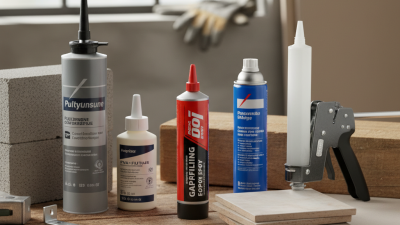
Top 10 Clear Liquid Nails for Strong and Durable Bonds?
In the realm of construction and repair, choosing the right adhesive is crucial. Among various options, "Clear Liquid Nails" stand out for their versatility and strength. These adhesives create reliable bonds that withstand the test of time. Their clear formulation makes them ideal for projects where aesthetics matter, allowing for seamless applications.
Many users rave about the durability of Clear Liquid Nails. They can bond wood, plastic, and metal with ease. Whether it's for a home improvement project or quick repairs, these adhesives offer impressive results. However, not all products are created equal. It's essential to know which options provide the strongest and most durable bonds.
When selecting the best Clear Liquid Nails, consider the specific needs of your project. Each brand offers unique features, strengths, and weaknesses. Researching user reviews and expert opinions can guide you to the best choice. This exploration may lead to the perfect solution, but it also reveals that finding the ideal product can be challenging. Ultimately, the right Clear Liquid Nails can make the difference in your construction or repair tasks.
Introduction to Clear Liquid Nails and Their Applications
Clear liquid nails are essential in construction and DIY projects. They offer strong and lasting bonds suitable for various surfaces. Common applications include wood, metal, ceramics, and plastics. Users appreciate how these adhesives fill gaps and create a seamless finish. However, not all clear liquid nails are alike. It's crucial to choose the right product for your specific needs.
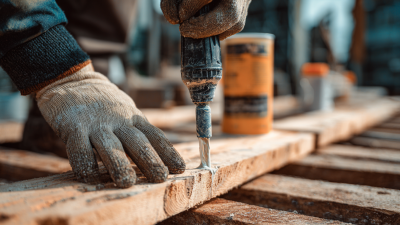
When using clear liquid nails, surface preparation is key. Clean and dry surfaces ensure the best bond. For porous materials, a primer can enhance adhesion. Be mindful of drying times, as some products cure faster than others. Testing on a small area first can prevent larger issues down the line.
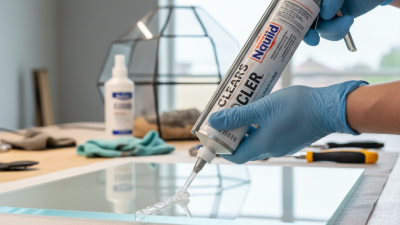
Tip: Always read the manufacturer’s instructions for best results. Ventilation is important; some adhesives emit fumes. Consider wearing gloves to protect your skin. Lastly, remember that excess adhesive can be difficult to remove, so use sparingly. These simple precautions can lead to a more successful bonding experience.
Key Features to Consider When Choosing Clear Liquid Nails
When selecting clear liquid nails, consider the specific project requirements. Look for adhesives that cater to your material types, whether wood, metal, or ceramics. Some formulas offer elasticity, allowing them to absorb shocks and movements. This feature is crucial for indoor and outdoor applications, where temperature fluctuations can affect bond strength.
Beware of drying times, as they can vary significantly. Some products cure in hours, while others may take days. Quick-drying options are handy for urgent repairs, but ensure they provide adequate adhesion. Thick viscosity can also impact application. A thicker product may not spread easily but could offer stronger bonds for heavy materials. Assess your preferences and needs.
Pay attention to consistency and transparency. While some adhesives dry clear, others may leave a hazy residue. This could affect aesthetics in visible areas. Test small amounts when possible, to gauge how well the product adheres and finishes. Reflection on experiences using different types can guide future selections, ensuring you don’t overlook subtle details that matter.
Top 10 Brands of Clear Liquid Nails for Strong Bonds
When considering clear liquid nails for strong bonds, a few brands stand out in terms of reliability. According to industry data, the best adhesives feature a tensile strength rating of over 3000 psi, ensuring durability in various applications. This level of strength is essential for both indoor and outdoor projects, providing a versatile solution for construction and crafts alike.
People often underestimate the drying time of these adhesives. While some clear liquid nails set in 20 minutes, others may require up to 24 hours for full curing. It's crucial to plan your projects around these time frames to avoid unexpected delays. Additionally, humidity and temperature can influence drying times significantly. Therefore, keeping an optimal environment can enhance the bond strength.
Tips: Always test a small area first. This will help gauge the adhesive's compatibility with your materials. Read the manufacturer's instructions carefully. Each product may have unique requirements. Lastly, consider maintaining a clean work area, as dust and debris can compromise the adhesive bond. Adhering to these standards is vital for achieving the best results.
Comparing Performance: Drying Time and Strength of Clear Liquid Nails
When evaluating clear liquid nails, drying time and bond strength are critical factors. Research indicates that products labeled as "fast-drying" often achieve full cure within 24 hours, while standard variants can take up to 48 hours. A study published in the Journal of Adhesion Science and Technology highlights that the strength of bonds can vary significantly. Some products exhibit tensile strengths exceeding 3000 psi, while others underperform at around 1500 psi. This discrepancy can lead to issues in load-bearing applications.
Moisture resistance is another aspect to consider. Data from the Construction Adhesives Report suggests that specific formulations can maintain structural integrity even in humid conditions. However, not all clear adhesives excel in this area. For example, some may weaken when exposed to prolonged moisture. Users should be aware of these limitations. The criteria for choosing clear liquid nails should include an assessment of both drying time and environmental resistance, helping to ensure the right option for specific projects.
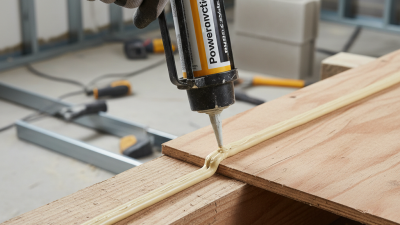
The application method can also influence performance. Applying adhesive in thin, even layers enhances bond strength. Thick applications may trap air bubbles, weakening the bond. Figures from the Adhesive and Sealant Council indicate that improper application can reduce adhesive strength by up to 25%. Awareness of these factors can save time and materials during projects.
Performance Comparison of Top 10 Clear Liquid Nails
Safety Tips and Best Practices for Using Clear Liquid Nails
When using clear liquid nails, safety must be a priority. According to the Occupational Safety and Health Administration (OSHA), chemical exposure can lead to serious health issues, including respiratory problems and skin irritations. Always work in a well-ventilated space. Wearing protective gear such as gloves and goggles can prevent accidents and keep skin safe from harmful adhesives.
Proper storage of the product is crucial. Keep it out of reach of children and pets. Most clear liquid nails have a flammable nature, so avoid storing them near heat sources. Data from the National Fire Protection Association (NFPA) indicates that improper storage accounts for a significant percentage of accidental fires involving chemicals. Always check expiration dates to ensure effectiveness, as expired adhesives may not bond effectively.
Finally, applying clear liquid nails requires precision. Follow the manufacturer’s instructions regarding application thickness. An overly thick layer may lead to long curing times or weak bonds. Monitor the curing process in different temperatures. Humidity can also affect the bonding capability. Recognizing these factors can enhance your overall experience with clear liquid nails, leading to stronger and more durable projects.
Top 10 Clear Liquid Nails for Strong and Durable Bonds
| Product Name |
Bonding Time |
Usage |
Water Resistance |
Cure Type |
Temperature Range |
| Product A |
20 minutes |
Wood, Concrete |
Yes |
Solvent-based |
-20°C to 60°C |
| Product B |
15 minutes |
Metal, Glass |
Yes |
Water-based |
-10°C to 50°C |
| Product C |
30 minutes |
Ceramics, Masonry |
Yes |
Hybrid |
-15°C to 55°C |
| Product D |
10 minutes |
Plastic, Fabric |
No |
Instant |
0°C to 40°C |
| Product E |
25 minutes |
Wood, Plastic |
Yes |
Solvent-based |
-20°C to 60°C |
| Product F |
20 minutes |
Concrete, Brick |
Yes |
Water-based |
-10°C to 45°C |
| Product G |
30 minutes |
Wood, Drywall |
Yes |
Hybrid |
-15°C to 50°C |
| Product H |
12 minutes |
Metal, Paint |
No |
Instant |
0°C to 30°C |
| Product I |
18 minutes |
Glass, Wood |
Yes |
Water-based |
-10°C to 60°C |
| Product J |
22 minutes |
Plastic, Metal |
Yes |
Solvent-based |
-20°C to 55°C |