Top 10 Clear Construction Adhesives for Strong and Durable Bonding Solutions
In the realm of construction and home improvement, the demand for effective bonding solutions has never been more critical.
Clear Construction Adhesives have surged in popularity due to their unique ability to provide a
strong and durable bond while maintaining an aesthetically pleasing appearance.
According to a recent market analysis by Smith & Associates, the global adhesive market is projected to reach
$70 billion by 2025, with clear construction adhesives leading the charge due to their versatility across various materials
such as wood, ceramic, metal, and glass.
Industry expert Dr. Linda Chang, a materials scientist and consultant, emphasizes the significance of these adhesives, stating,
“The right clear construction adhesive can significantly improve the longevity of structures while preserving their visual integrity.”
As building standards evolve and consumers prioritize both performance and appearance, understanding the top options available becomes paramount for
contractors and DIY enthusiasts alike. This article delves into the top 10 clear construction adhesives that offer
robust bonding solutions without compromising on style.
Top Considerations for Choosing the Right Clear Construction Adhesive
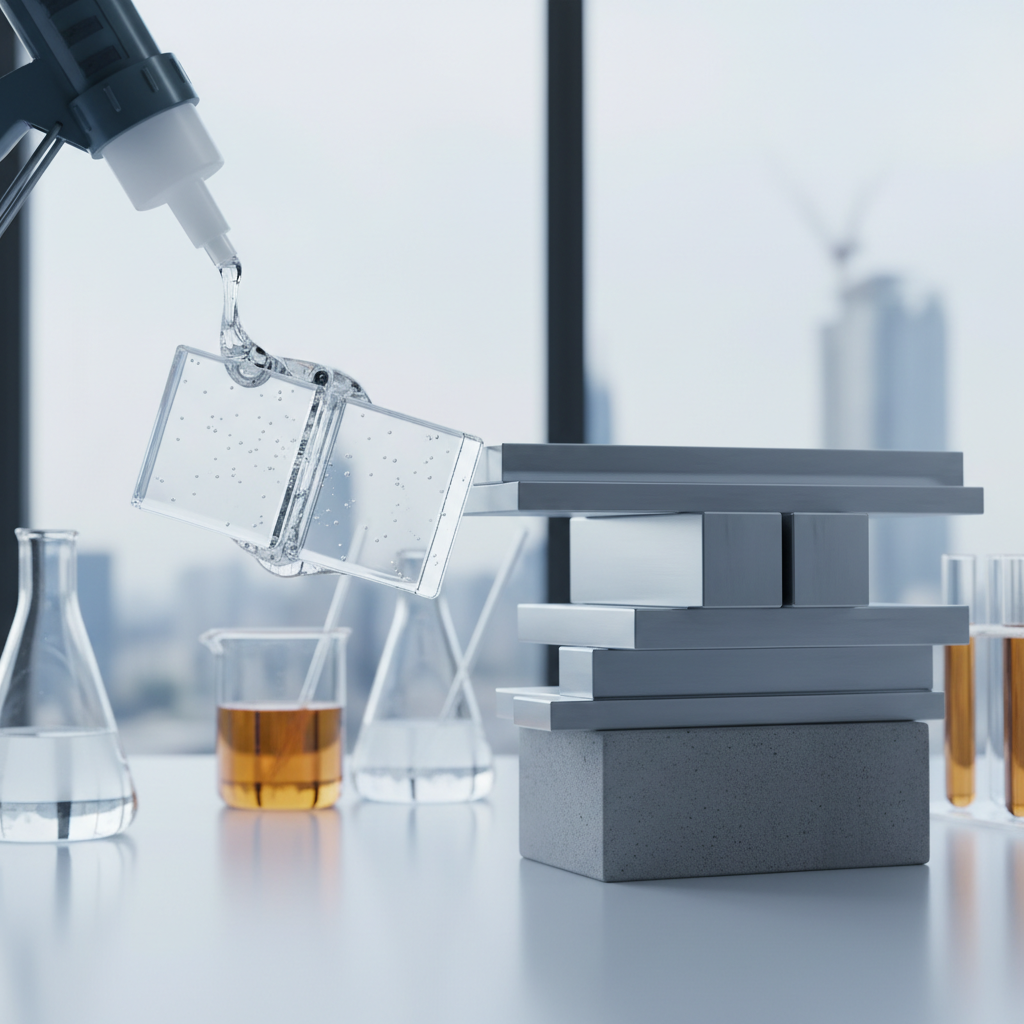
When selecting the right clear construction adhesive, there are several key factors to consider that can significantly impact the effectiveness of your bonding solution. First, evaluate the materials you intend to bond. Different adhesives perform better with specific substrates, such as wood, metal, or plastic. It is crucial to choose a product formulated for the materials at hand to ensure a strong and durable bond.
Another important consideration is the operating environment where the adhesive will be applied. Some adhesives are designed to withstand extreme temperatures, moisture, or UV exposure, which can influence their longevity and adhesion quality. Additionally, assess the cure time required for the adhesive to set effectively. Depending on your project timeline, you may prefer a product with a quicker curing time or one that offers a longer working time for adjustments. By carefully considering these factors, you can select a clear construction adhesive that meets your specific needs and achieves optimal results.
Benefits of Using Clear Adhesives in Various Applications
Clear construction adhesives have become increasingly popular across various industries due to their numerous benefits. One of the most notable advantages is their aesthetic appeal; clear adhesives maintain the visual integrity of materials, allowing the surface design to shine without obstructions. This is particularly beneficial in applications where appearance matters, such as in home decor and furniture assembly, where a seamless finish enhances overall design and craftsmanship.
Additionally, clear adhesives provide strong and durable bonding solutions suitable for diverse materials, including wood, glass, metal, and plastics. This versatility makes them ideal for both indoor and outdoor projects, ensuring longevity and resistance to weathering. Moreover, many clear adhesives offer quick drying times, allowing for efficient project completion without compromising bond strength. These features make clear construction adhesives an integral choice for both professionals and DIY enthusiasts seeking reliable and visually pleasing results.
Comparison of Leading Brands for Performance and Durability
When it comes to construction adhesives, performance and durability are key metrics that can significantly influence the choice of product. A recent industry report by the Adhesives and Sealants Industry Association indicates that the demand for clear construction adhesives is projected to grow by 4.5% annually over the next five years, driven by their increasing versatility and effectiveness across various applications. Leading brands like Gorilla Glue, Loctite, and Titebond have emerged as frontrunners, showcasing superior bonding capabilities and resistance to environmental factors such as moisture and temperature fluctuations.
In a comparative analysis of these brands, Loctite's PL Premium emerges as a standout, boasting a bond strength of over 5000 PSI, making it ideal for heavy-duty applications. Titebond III, known for its exceptional water resistance, offers a durable bond for both indoor and outdoor projects, further solidifying its reputation in the market. Additionally, Gorilla Glue's clear formula highlights its versatility, successfully bonding plastics, ceramics, and wood with long-lasting results. This competitive landscape underscores the importance of performance metrics, with product durability becoming a top priority for both professionals and DIY enthusiasts seeking reliable bonding solutions.
Top 10 Clear Construction Adhesives Performance Comparison
Step-by-Step Guide to Proper Adhesive Application Techniques
When applying construction adhesives, following proper techniques is crucial to achieving a strong and durable bond. According to a report by the Adhesive and Sealant Council, improper application can reduce adhesion strength by up to 50%.
To start, surface preparation is key; ensure that both surfaces are clean, dry, and free of grease. Using a primer can enhance bond strength, especially in porous materials, which allows the adhesive to penetrate deeper and create a more secure attachment.
Next, the method of application can significantly influence the effectiveness of the adhesive. For instance, applying the adhesive in a serpentine or zigzag pattern can increase surface area contact, which is essential for achieving optimal bond performance. For most construction adhesives, it is advised to press the materials together firmly and hold for a specified period, often referenced in product guidelines. Data shows that maintaining pressure for the recommended time can improve bond strength by over 30%, mitigating the risk of premature bond failure. Always refer to technical datasheets from manufacturers for specific instructions tailored to the adhesive you are using.
Tips for Ensuring Long-Lasting Adhesive Bonds in Different Environments
When it comes to achieving long-lasting adhesive bonds, understanding the specific environmental conditions in which the adhesive will perform is crucial. Factors such as temperature, humidity, and surface materials play a significant role in the effectiveness of the bond. For instance, in high-humidity areas, choosing a moisture-resistant adhesive is essential to prevent deterioration over time. Similarly, in extremely hot or cold conditions, select adhesives that can withstand temperature fluctuations without losing their bonding properties.
Another vital consideration is surface preparation. Ensuring that surfaces are clean, dry, and free from contaminants will enhance the adhesive's performance. Additionally, applying the adhesive in the proper thickness is important; too much can lead to weak spots, while too little may not create a sufficient bond. Taking the time to read application instructions and understanding the curing time can also greatly impact the final bond strength. By tailoring your adhesive choice and application method to the specific environment, you'll ensure a strong, durable, and long-lasting bond in any project.
Top 10 Clear Construction Adhesives for Strong and Durable Bonding Solutions
| Adhesive Type |
Bonding Strength (psi) |
Curing Time (hours) |
Temperature Resistance (°F) |
Use Case |
| Polyurethane |
3500 |
24 |
180 |
Outdoor projects |
| Epoxy |
5000 |
6 |
200 |
Heavy-duty applications |
| Silicone |
600 |
24 |
120 |
Sealants, flexible bonding |
| Acrylic |
3000 |
2 |
140 |
Indoor use, quick bonding |
| Cyanoacrylate |
3500 |
0.5 |
180 |
Quick repairs, small parts |
| PVA (Polyvinyl Acetate) |
1500 |
1 |
100 |
Crafts and woodworking |
| Construction Adhesive |
4000 |
8 |
140 |
General construction |
| Hot Melt Adhesive |
2500 |
0.25 |
130 |
Packaging and crafts |
| Contact Adhesive |
3500 |
1-2 |
150 |
Laminate, veneer |
| Waterproof Adhesive |
3000 |
24 |
160 |
Outdoor coatings |