China Top 10 Construction Adhesive Manufacturers
Construction Adhesive has become a critical material in China’s rapidly developing building and renovation markets. It bonds panels, flooring, insulation, glass, metal, and concrete with fewer visible fasteners. Grand View Research estimates that the global construction adhesives market reached approximately USD 10 billion in 2023. Its report also projects steady growth through 2030, supported by modular construction, energy-efficient buildings, and infrastructure investment.
The opportunity is substantial. The risks are real.
A strong market position requires more than high sales volume. Manufacturers must demonstrate stable formulations, reliable curing performance, controlled emissions, and technical support for different climates. ASTM standards, ISO quality systems, and project-specific testing remain important reference points. Professor A. J. Kinloch, a leading authority on adhesion science, stated, “The strength of an adhesive joint is not determined solely by the strength of the adhesive.” Surface preparation matters. Moisture matters. Application temperature matters.
This guide examines China’s top 10 Construction Adhesive manufacturers through practical criteria, including product range, production capacity, research investment, certifications, export experience, and customer service. It also considers polyurethane, epoxy, acrylic, silicone, and hybrid technologies used across commercial and residential projects. Market rankings are never perfect. Public data can be incomplete, and company performance may vary by product line or region. That limitation deserves attention.
The following manufacturers were selected for their visible industry influence, technical capabilities, and relevance to professional buyers seeking dependable bonding solutions.
China’s Construction Adhesive Industry: Scope and Market Definition
China Top 10 Construction Adhesive Manufacturers
China’s construction adhesive industry covers producers of bonding materials used in buildings, infrastructure, interiors, and renovation projects. Its scope includes polyurethane, epoxy, acrylic, silane-modified, and water-based formulations. Products may bond concrete, metal, glass, wood, insulation boards, tiles, flooring, and façade components. The market definition is not perfectly clean. Some sealant producers also supply adhesives, while chemical manufacturers may only provide raw materials. This overlap can confuse supplier comparisons.
In practical purchasing
manufacturers should be assessed beyond production volume. A reliable supplier usually demonstrates batch traceability, controlled viscosity, curing tests, aging resistance, and documented quality procedures. Application experience matters too. A flooring adhesive may perform well in a factory test but fail on a damp jobsite. Temperature, surface preparation, movement, and installation speed can change the result. These details deserve attention.
Tips:
Request technical data, safety documents, sample testing, and independent test reports. Check whether the product matches your substrate and climate. Ask for production records when consistency is critical. Do not compare prices alone. A lower-cost adhesive can create higher labor costs later. It is also wise to review packaging durability, delivery conditions, and after-sales response. Some evaluations remain incomplete because real project data is limited. That uncertainty should be recorded, not hidden.
Key Criteria for Evaluating Chinese Adhesive Manufacturers
China Top 10 Construction Adhesive Manufacturers: Key Criteria for Evaluating Chinese Adhesive Manufacturers
China’s construction adhesive sector deserves careful, evidence-based evaluation. The MarketsandMarkets 2024 report estimates the global construction adhesives market at about USD 10.1 billion in 2023, reaching USD 14.2 billion by 2028. This growth increases supplier choices, but also increases quality risks. Evaluate manufacturers through verified test data, not attractive catalogs. Check tensile strength, shear strength, peel resistance, curing time, and performance after heat and humidity exposure. Request recent laboratory reports based on recognized ASTM, EN, or ISO methods.
Production control matters just as much. A reliable manufacturer should provide batch numbers, raw-material records, retention samples, and traceable quality inspections. ISO 9001 certification is useful, but it does not replace product-level evidence. Ask for factory audit access, equipment calibration records, and samples from different production batches. Capacity claims can be difficult to verify. A factory may produce excellent samples but struggle with large, consistent orders. This is where practical experience matters.
Tips: Test samples on the actual substrates and under local weather conditions. Confirm packaging integrity after transport. Review VOC data and safety documents before approval. Ask for failure-analysis support, not only sales assistance. A small pilot order is wiser than a large promise. Even careful evaluations can miss hidden variation; keep acceptance criteria written, measurable, and reviewable.
Top 10 Construction Adhesive Manufacturers in China
Top 10 Construction Adhesive Manufacturers in China
China’s construction adhesive sector is expanding with renovation, modular building, and energy-efficient façades. Grand View Research valued the global construction adhesives market at about USD 10 billion in 2023, with Asia Pacific holding a leading share. This regional strength supports a wide manufacturing base in China.
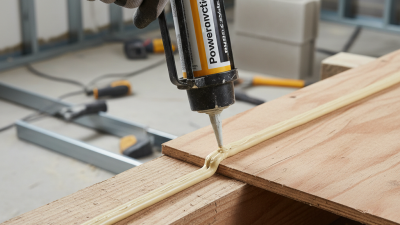
The top 10 construction adhesive manufacturers in China should be assessed beyond production volume. Strong suppliers usually operate controlled polymerization lines, laboratory testing rooms, and batch-traceability systems. Their product portfolios may include silicone, polyurethane, epoxy, acrylic, and hybrid sealants. On a jobsite, details matter: a cartridge must extrude smoothly at 5°C, bond clean glass, and resist rain after curing.
Quality evidence matters more than polished brochures. Manufacturers should provide technical data sheets, safety documentation, substrate compatibility tests, and aging results. ISO 9001 certification can indicate process discipline, but it does not guarantee field performance. Independent testing remains valuable. Reports from MarketsandMarkets identify infrastructure development and residential construction as major adhesive demand drivers, while stricter VOC expectations are reshaping product selection.
China’s leading producers also compete through automated filling, export compliance, and faster technical support. Yet capacity figures can be difficult to compare because companies report them differently. That weakness deserves attention. Buyers should request recent test records, not only factory photographs. A small trial panel on concrete, aluminum, or ceramic often reveals more than a sales presentation. Temperature, moisture, curing speed, and surface preparation still decide the final bond.
Product Categories, Technologies, and Application Areas
China Top 10 Construction Adhesive Manufacturers
China’s leading construction adhesive manufacturers cover several product categories for different building conditions. Water-based acrylic adhesives suit interior trim, flooring, and lightweight panels. Polyurethane adhesives provide strong bonding for wood, insulation, and prefabricated components. Silicone sealants handle glass, façades, and joints exposed to weather. MS polymer products offer flexible adhesion with low odor. Epoxy systems serve demanding structural and industrial repairs.
Each category depends on chemistry, curing speed, movement capacity, and surface preparation. That distinction matters on a real job site. A fast-curing product may improve installation speed but reduce adjustment time. A flexible adhesive may absorb vibration yet need longer curing. Product selection requires technical data, not attractive packaging. Check the data.
Manufacturing technology affects reliability. Automated dosing supports consistent mixing ratios, while controlled temperature improves batch stability. Modern laboratories test tensile strength, peel resistance, aging, moisture response, and temperature cycling. Some manufacturers also develop low-VOC formulas and solvent-free systems for enclosed spaces. These improvements support safer and cleaner applications, but performance claims still require independent verification. I would not judge a supplier by laboratory results alone. Field records, traceability, and technical service often reveal more.
Application areas range from residential interiors to curtain walls, rail interiors, concrete elements, and industrial panels. Tile and flooring projects need stable open time and reliable substrate contact. Façade work demands weather resistance and controlled movement. Insulation installation requires broad coverage without damaging foam surfaces. Sealants also need compatible primers and correct joint dimensions. Small installation errors can defeat advanced adhesive technology. That part is easy to underestimate.
How to Select a Suitable Chinese Construction Adhesive Supplier
Choosing among China’s top 10 construction adhesive manufacturers requires more than comparing prices. A suitable supplier should understand your project conditions, not just your product list. Explain the bonding materials, surface preparation, temperature range, moisture exposure, and expected curing time. Ask for technical data sheets, safety documents, test reports, and batch traceability. Reliable manufacturers can describe their quality controls clearly.
Request samples from shortlisted suppliers and test them on actual materials. Check initial grab, final strength, flexibility, odor, and performance after heat or water exposure. A laboratory result helps, but a jobsite trial often reveals practical problems. Review factory capacity, mixing equipment, packaging quality, production records, and delivery history. Do not accept vague claims. A perfect datasheet can still hide inconsistent application results. That deserves attention.
Tips: Compare at least three suppliers. Confirm production lead times in writing. Ask how rejected batches are handled. Check whether technical staff can solve application issues quickly. Discuss private labeling only after quality remains stable. Also, calculate the full cost, including waste, storage, testing, and delayed installation. The cheapest adhesive may become expensive when curing is uneven or cartridges leak. Some decisions will remain uncertain, so record your testing conditions and review them before placing a large order.