Why is Construction Glue Essential for Your Projects?
When embarking on a construction project, recognizing the value of construction glue is critical. Industry expert Dr. Emily Carter emphasizes, “Construction glue is the unsung hero of building materials.” This adhesive is more than just a convenience; it solidifies structures and ensures longevity.
Take cabinets, for example. Without strong construction glue, joints risk coming apart. It’s essential for both aesthetics and safety. Imagine a well-built shelf suddenly collapsing due to poor adhesion. It’s a frustrating experience that could have been avoided.
However, not all construction glues are created equal. Some may not perform well under stress or temperature changes. It’s vital to select the right type for your specific needs. Different projects require different strengths and properties. This decision can make or break the durability of your build. Therefore, understanding the importance of construction glue is key to successful projects.

Understanding Construction Glue: Types and Properties
Construction glue plays a pivotal role in various projects. Understanding its types and properties is crucial for effective application. Adhesives fall into categories like epoxy, polyurethane, and cyanoacrylate. Each type has unique strengths and weaknesses. For example, epoxy provides strong bonds in demanding environments. However, it can be difficult to work with and requires precise mixing.
Polyurethane, on the other hand, is versatile and flexible. It adheres well to wood, metal, and plastic. A report by the Adhesive and Sealant Council notes that the construction adhesive market is projected to reach $12 billion by 2026. This growth highlights the increasing reliance on construction glue. However, users must consider environmental factors. Some adhesives can emit volatile organic compounds (VOCs). This poses a risk for indoor air quality.
Cyanoacrylate is another common option, known for its quick bonding capabilities. Yet, its short shelf life can lead to waste. In practice, many users often find themselves questioning the effectiveness of their chosen adhesive. Sometimes, improper application techniques can lead to failure. Evaluating your project’s specific needs is essential. Choosing the right construction glue based on the material and environment can save time and costs.
The Role of Construction Glue in Structural Integrity
Construction glue plays a vital role in maintaining structural integrity in various projects. Whether you are building furniture or constructing a home, the adhesive binds materials securely. This bond helps distribute loads evenly, enhancing durability and longevity. For example, using glue on wooden joints can prevent potential breakage. A strong adhesive ensures that components remain intact over time.
When considering construction glue, it’s crucial to understand its application. Different materials require specific types of glue. For instance, wood, metal, and glass may all need unique adhesives. Improper choices can lead to failures, requiring costly repairs. Experimenting with various options can be enlightening but may lead to mistakes. Small-scale tests often reveal limitations that are not apparent before applying glue on a larger scale.
Moreover, safety concerns cannot be overlooked. Many adhesives emit fumes that can be harmful. Awareness of ventilation during use is essential. Ensuring proper safety measures protects both the project and the individual. Construction glue is not just about bonding; it’s about creating a safer, more resilient environment.
Why is Construction Glue Essential for Your Projects? - The Role of Construction Glue in Structural Integrity
| Material Type |
Recommended Glue Type |
Cure Time |
Strength Rating |
Applications |
| Wood |
PVA Glue |
24 hours |
High |
Furniture, Carpentry |
| Concrete |
Epoxy Adhesive |
72 hours |
Very High |
Flooring, Construction |
| Metal |
Structural Adhesive |
24-48 hours |
High |
Automotive, HVAC |
| Plastic |
Cyanoacrylate |
1 hour |
Medium |
Model Building, Repairs |
| Glass |
Silicone Adhesive |
24 hours |
Medium |
Frames, Mosaics |
Application Techniques for Effective Use of Construction Glue
Construction glue plays a crucial role in various projects, especially in ensuring durability and stability. To maximize its effectiveness, proper application techniques are key. Industry studies show that improper application can reduce adhesive strength by up to 50%.
One critical technique is surface preparation. Ensure that surfaces are clean and dry before applying glue. Even small amounts of dust or moisture can hinder adhesion. Use a fine-grit sandpaper to roughen surfaces slightly for better bonding.
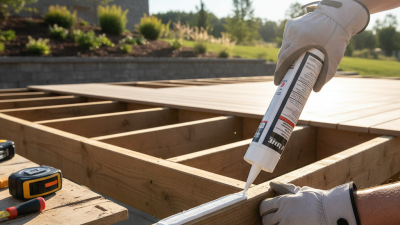
Tip: Use a caulking gun for precise application. This tool allows you to control the amount of glue dispensed, minimizing waste.
Another important tip involves the curing time. Allow the glue to cure fully based on the product specifications. Rushing this process can lead to weak bonds, compromising the integrity of the project. A survey from construction professionals revealed that waiting for full cure time is often overlooked, yet it's essential for long-term durability.
Tip: Keep the workspace at optimal temperature. Extreme temperatures can affect glue performance dramatically. Remember, attention to detail in these application techniques can make a significant difference in your construction projects.
Why is Construction Glue Essential for Your Projects?
Common Mistakes to Avoid When Using Construction Glue
Using construction glue can simplify your projects. However, many people make common mistakes. One frequent error is not preparing surfaces properly. Dust or oil can prevent a strong bond. Always clean the surfaces first for the best results.
Another mistake is applying too much glue. Overuse can lead to messy projects and weak joints. Instead, apply a thin, even layer. This helps achieve better adhesion. If you see excess glue, wipe it away immediately with a cloth.
A key tip is to respect the drying time. Rushing the process can ruin your efforts. Make sure to let the glue cure for the recommended time, especially for heavy objects. Patience pays off for a lasting hold.
Benefits of Choosing the Right Construction Glue for Your Project
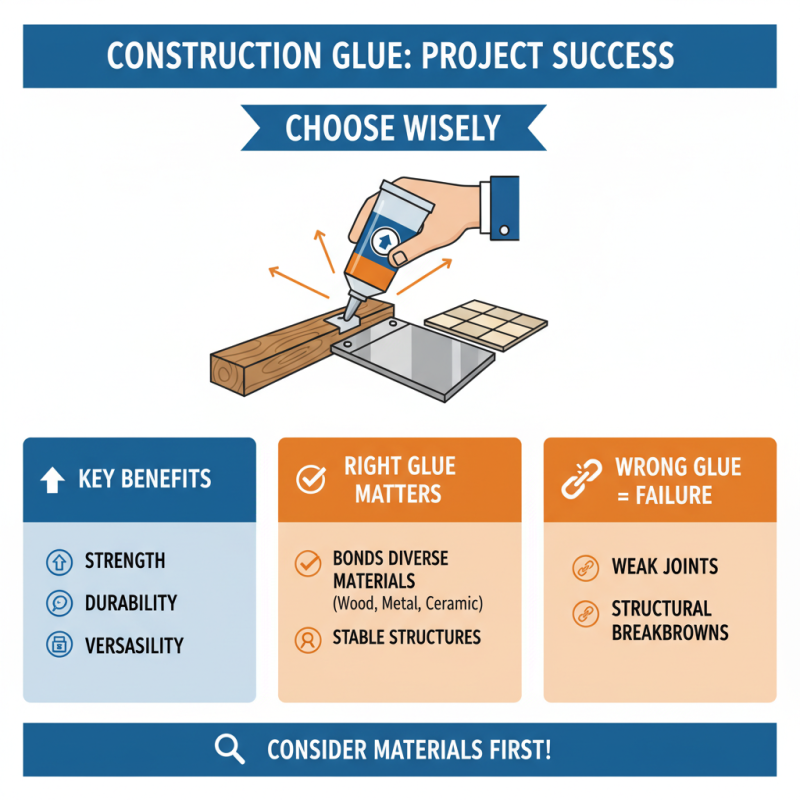
Choosing the right construction glue is crucial for your project’s success. Construction glue is not just any adhesive; it provides strength, durability, and versatility. The right glue can bond different materials like wood, metal, or ceramics effectively. This ensures that your structures are stable and functional. A poor choice, however, can lead to weak joints and ultimately cause failures. It's important to consider the specific materials involved in your project before making a selection.
Different glues serve varied purposes. Some are waterproof, while others are designed for high temperatures. If you’re working outdoors, for example, a waterproof adhesive is essential. Indoor projects may require a fast-drying formula to save time. Reflecting on your project’s needs can help guide your choices. You might think you have the right glue, but testing it on a small area could reveal unexpected flaws.
Recognizing the environment where the glue will be used is equally important. Factors like humidity and temperature can affect the glue’s performance. Don’t overlook these details. A common mistake is assuming all construction glues are the same. Understanding the nuances can prevent costly mistakes. Taking time to research can lead to a more durable result.