How to Choose the Best Construction Adhesive for Your Project?
Choosing the right construction adhesive can make or break your project. With an array of products available, understanding their properties is essential. Construction adhesives are not just glue; they provide strength, durability, and flexibility. Each type serves a specific purpose, demanding careful selection.
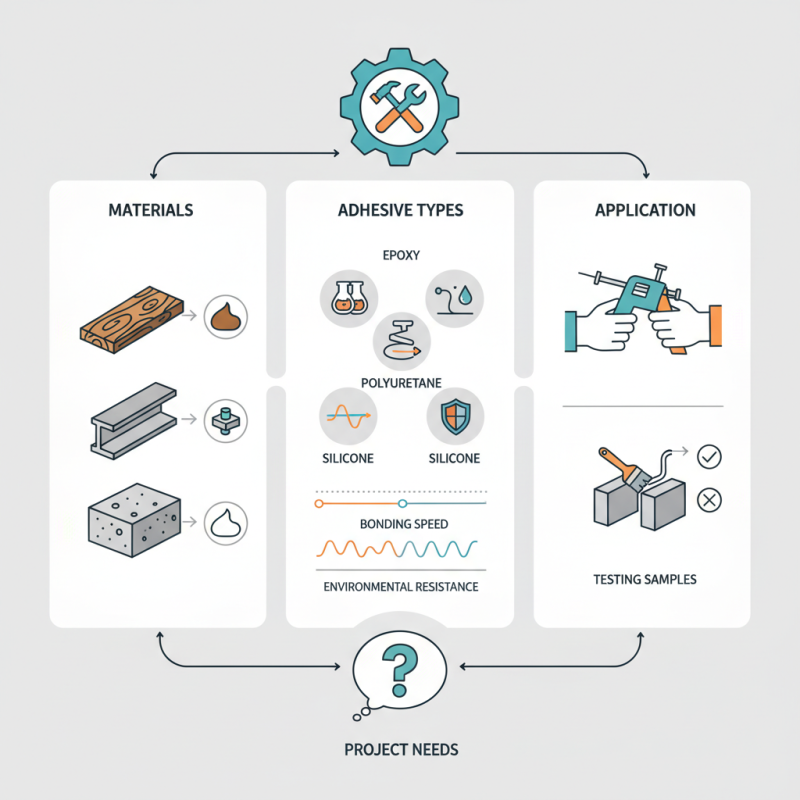
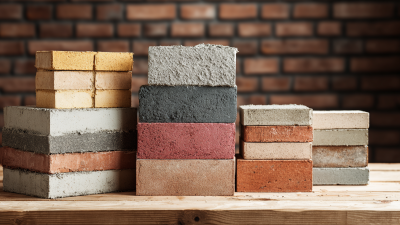
Consider your materials. Wood, metal, concrete—each requires a unique adhesive. Popular options include epoxy, polyurethane, and silicone. They differ in bonding speed and environmental resistance. Knowing the differences can prevent costly mistakes.
Moreover, think about the application method. Some adhesives require special tools, while others are user-friendly. Testing small samples can save time and frustration. Often, people overlook this step, leading to inadequate bonds and wasted effort. Reflect on your project needs before making a choice.
Understanding the Different Types of Construction Adhesives Available
When selecting a construction adhesive, it’s essential to understand the types available. Each type serves a specific purpose. For example, polyurethane adhesives are versatile and bond well with various materials. They are often used in woodworking and construction projects. On the other hand, epoxy adhesives provide a strong, durable bond, ideal for metallic surfaces. These can be trickier to work with and require proper mixing.
Another option is latex-based adhesives. They are easier to clean and often used in home improvement projects. However, they may lack the strength needed for heavy-duty applications. Consider the environment, too. Some adhesives are sensitive to temperature and humidity. This can affect their performance over time. It's worth noting that choosing the right adhesive can save time and effort in the long run. A mismatch can lead to failures and the need to redo the work, which can be frustrating. Assess your project needs carefully before making a decision. Experimenting with different types can provide valuable insights.
How to Choose the Best Construction Adhesive for Your Project? - Understanding the Different Types of Construction Adhesives Available
| Type of Adhesive |
Best Used For |
Cure Time |
Strength |
Water Resistance |
| Polyurethane Adhesive |
Wood, Metal, Concrete |
24 hours |
High |
Waterproof |
| Construction Silicone |
Glass, Metal, Plastic |
24 hours |
Moderate |
Waterproof |
| Acrylic Adhesive |
Plastics, Wood, Metals |
1-2 hours |
Moderate |
Moderate |
| Epoxy Adhesive |
Metal, Concrete, Wood |
24 hours |
Very High |
Water-resistant |
| Hot Melt Adhesive |
Wood, Paper, Cardboard |
Immediate |
Moderate |
Low |
Examining Environmental Conditions and Their Impact on Adhesive Choice
When selecting a construction adhesive, environmental conditions must be a top consideration. Humidity, temperature, and exposure to sunlight can significantly influence adhesive performance. For instance, a report by the Adhesive and Sealant Council indicates that adhesives exposed to high humidity can deteriorate more quickly. This highlights the need for thorough assessments.
Choosing an adhesive for outdoor projects presents its own challenges. UV exposure can break down some adhesives, leading to bond failures. According to industry studies, outdoor adhesives require robust formulations to endure these conditions. Failing to consider this can result in serious project setbacks.
Temperature variations also matter. Extreme cold or heat affects curing times and overall strength. Some adhesives may not perform well outside their specified range. An adhesive that works in a moderate environment may fail in harsher climates. Careful evaluation of the project site’s conditions is essential. The right adhesive is not just about strength; it’s also about adaptability to the elements.
Reviewing Application Techniques for Optimal Adhesive Performance
Choosing the right construction adhesive involves more than just selection. Proper application techniques are critical for optimal performance. According to a report by the Adhesive and Sealant Council, up to 30% of adhesive failures stem from improper application rather than product quality. This highlights the importance of technique.
Application surfaces must be clean and dry. Dust and moisture can hinder adhesion. A recent survey indicated that 52% of professionals do not prioritize surface preparation, leading to potential project setbacks. Using a primer can enhance bonding, especially with porous materials. It’s essential to follow manufacturer instructions closely; ignoring them can result in weaker bonds.
Temperature influences adhesive performance. Many adhesives work best between 60°F and 80°F. Outside this range, the curing process may slow, leading to unsatisfactory results. Additionally, pressure during application matters. Insufficient pressure can lead to inadequate contact between surfaces. A detailed study shows that applying the right pressure can improve bond strength by up to 40%. These factors underscore the need for meticulous planning and execution in any adhesive project.
Analyzing Cost-Effectiveness and Brand Reliability in Adhesive Selection
Choosing a construction adhesive involves analyzing cost-effectiveness and brand reliability. Cost is often a primary consideration. In 2022, the global adhesive market was valued at approximately $50 billion, with construction adhesives accounting for a significant portion of that total. Buyers often face a trade-off between price and performance. Some low-cost options may not offer the longevity required for construction projects. Evaluating the long-term value is crucial.
Brand reliability is another aspect of adhesive selection. Many industry reports indicate that brands with a consistent track record tend to deliver superior performance. A study from the Adhesive and Sealant Council highlights that reliable brands often reduce long-term project costs. They minimize failures and maintenance needs. However, not every trusted brand is suitable for all applications. Users should not assume high cost equals high reliability.
It’s vital to consider the specific requirements of each project. Various substrates and environmental conditions may affect adhesive performance. In some instances, a less-known or budget-friendly adhesive might work adequately. Yet, this choice demands thorough research and testing. Ignoring the nuances of different adhesives can lead to project setbacks and increased expenses. Balancing cost and reliability is essential for successful outcomes.
Cost-Effectiveness and Brand Reliability of Construction Adhesives