Why Choose No More Nails Adhesive for Your DIY Projects?
When embarking on DIY projects, choosing the right adhesive can make all the difference. "No More Nails Adhesive" stands out in a crowded market. According to a report by the Adhesive and Sealant Council, the adhesive market is expected to reach $50 billion by 2025. This highlights the growing importance of reliable products in home improvement.
No More Nails Adhesive is versatile for various materials. It works on wood, metal, ceramics, and even some plastics. Estimates show that over 60% of DIY enthusiasts prefer this adhesive for its strong bond and ease of use. While it offers many benefits, it’s crucial to recognize the limitations. For instance, it may not bond well in extremely moist conditions.
Reflecting on the experience, many users have praised its strength. However, some have expressed concerns about its drying time. A mishap can lead to misalignment in projects, causing frustration. Understanding both the strengths and weaknesses of No More Nails Adhesive allows for better planning and expectations in DIY endeavors.
Comparison of No More Nails Adhesive and Traditional Glue Options
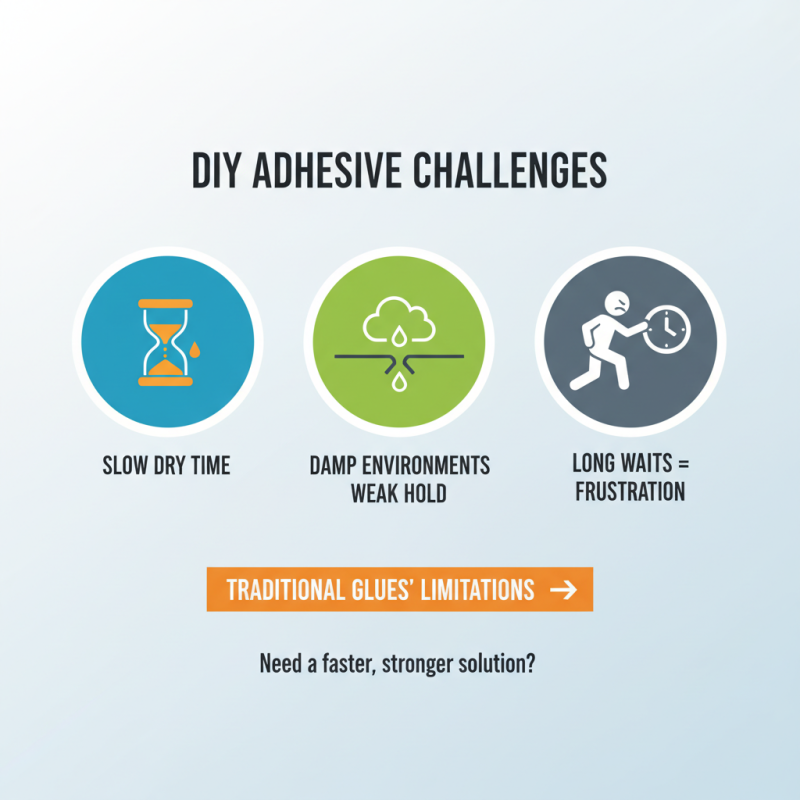
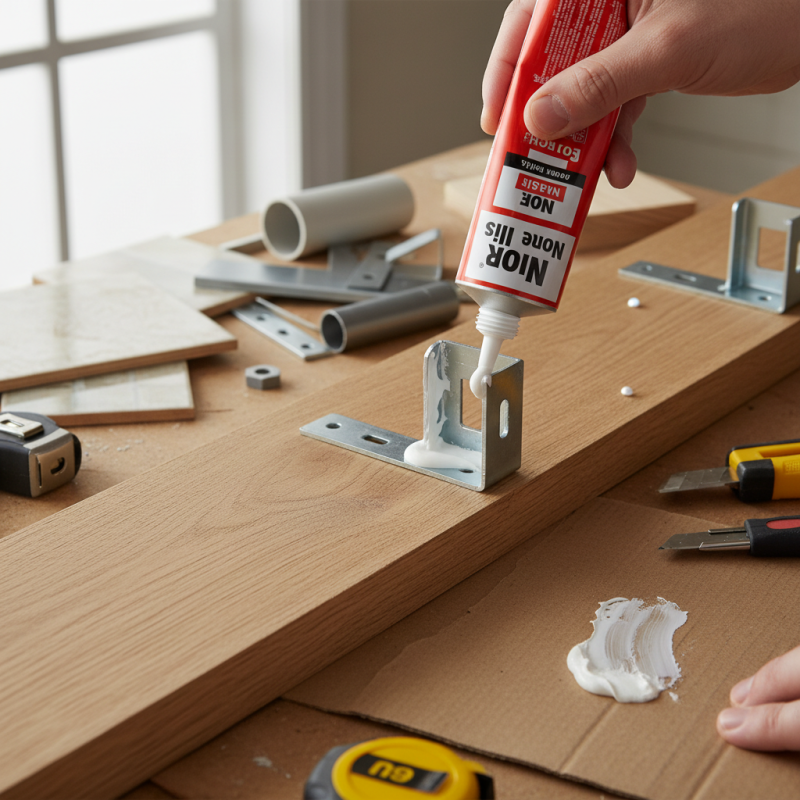
When tackling DIY projects, choosing the right adhesive makes a big difference. Traditional glues often have limitations. They can dry slowly and may not hold up in damp environments. You might find yourself waiting for hours for them to set. This can be frustrating, especially when you want quick results.
On the other hand, some modern adhesive options, like No More Nails, offer a strong bond without the long wait. They are designed to work on various surfaces, making them versatile. You can use them on wood, plaster, and even tiles. This flexibility saves time and effort. Plus, they often provide a neat finish, with minimal cleanup required. However, it’s essential to be cautious. Not all surfaces work well with these adhesives. You should always test a small area first to avoid any unpleasant surprises.
While strong adhesiveness is crucial, it's easy to overlook the preparation. Surface cleanliness is vital. Dust or moisture can weaken the bond. Always ensure the area is clean and dry before application. Pay attention to drying times. Rushing this process might lead to weak adhesion. Even experienced DIYers can make mistakes. Reflecting on these aspects can greatly improve your project outcomes.
Understanding the Versatility of No More Nails Adhesive in DIY Projects
No More Nails adhesive is known for its versatility in various DIY projects. It bonds a wide range of materials, including wood, metal, and plastic. Many professionals affirm that it can withstand heavy loads and harsh environments. According to industry reports, adhesives have grown in popularity, with a projected market increase of 4.5% annually over the next five years. This trend indicates a shift towards more reliable and efficient bonding solutions.
Consider these tips when using No More Nails adhesive. Always prepare your surfaces meticulously. Clean them from dust and grease to enable a stronger bond. Applying the adhesive evenly can prevent imperfections during the curing process. Remember, patience is crucial. Allow sufficient time for the adhesive to cure properly. Improper curing can lead to weak joints and unwanted separations.
Be mindful of the conditions where you apply the adhesive. High humidity or very low temperatures can affect its performance. Review your project requirements carefully. In some cases, you might find that traditional methods work better. Always reflect on the outcomes of your projects. Learning from your experiences can enhance your future DIY endeavors.
Key Benefits: Strength and Durability of No More Nails Adhesive
When tackling DIY projects, having the right adhesive is crucial. Choosing a strong and durable adhesive can make all the difference. One standout option is an adhesive known for its robust bonding capabilities. It can hold various materials together, ensuring your projects won’t fall apart easily.
One of the key benefits of this adhesive is its impressive strength. Whether you’re working with wood, metal, or even ceramics, it creates a long-lasting bond. It also stands up to moisture and varying temperatures. This is especially important for outdoor projects or areas exposed to humidity. However, you might encounter challenges if surfaces aren't prepared properly. Always clean the surfaces thoroughly before applying.
Tip: For best results, allow the adhesive to cure as instructed. Rushing this step can lead to weak bonds. Also, consider applying the adhesive evenly. Uneven application can lead to visible imperfections.
Durability is another major benefit. This adhesive remains intact over time, even with stress. It can withstand the daily wear and tear that many projects face. But remember, not all surfaces are the same. Testing on a small area first can help you gauge how well it performs. A little extra time spent here can save future headaches.
Application Techniques for Maximizing No More Nails Adhesive Effectiveness
When tackling DIY projects, using the right adhesive is key. To maximize the effectiveness of a strong adhesive, proper application techniques can make a notable difference. Start by ensuring both surfaces are clean and dry. Dust or grease can hinder bonding. Use a damp cloth to wipe down the areas where you’ll apply the adhesive.
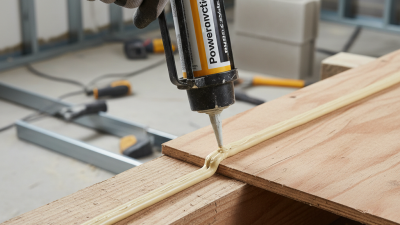
Another technique is to apply the adhesive in a zigzag pattern or dots. This method allows for better coverage and contact between surfaces. Press the materials together firmly for a short while. A poor seal may result if they don’t bond well initially.
Tips: Always check the recommended drying time before handling. If it feels tacky after the suggested time, evaluate your application technique. Also, consider the temperature. Cold conditions can slow curing.
It’s easy to rush and miss steps. Remember to think about your design beforehand. Measure twice, apply once—this philosophy can save time. Errors might occur even with great products. Reflect on what went wrong to improve next time.
Industry Insights: Customer Satisfaction and Performance Ratings of Adhesive Products
Adhesive products are essential for many DIY projects. Customers often look for reliability and ease of use. Recent industry insights reveal that user satisfaction varies widely among different adhesive types. Many users praise the versatility of specific adhesives that bond various materials effectively. However, some products struggle with long-term durability. It's crucial to choose the right adhesive to avoid frustration.
Performance ratings are influential in guiding customer choices. Some adhesives excel at quick bonding but may lack strength over time. Others provide a secure grip but can be messy to apply. This inconsistency often leads to mixed reviews. It's clear that not all adhesives meet the high expectations of users. Many DIY enthusiasts have faced hiccups in their projects due to unsuitable choices.
Experimentation is part of the DIY journey. Trying different adhesives can lead to valuable lessons. Some users discover that what works for one project may not fit another. This trial and error can be frustrating yet enlightening. It emphasizes the importance of informed choices and understanding product specifications. Ultimately, the quest for the perfect adhesive demands patience and careful consideration.