Why Choose Construction Adhesive for Your Building Projects?
In the realm of construction, the choice of materials significantly impacts project outcomes. Construction Adhesive has emerged as a preferred option among many professionals. John Smith, a leading expert in adhesive technologies, once stated, "Construction Adhesive offers unparalleled bond strength and versatility."
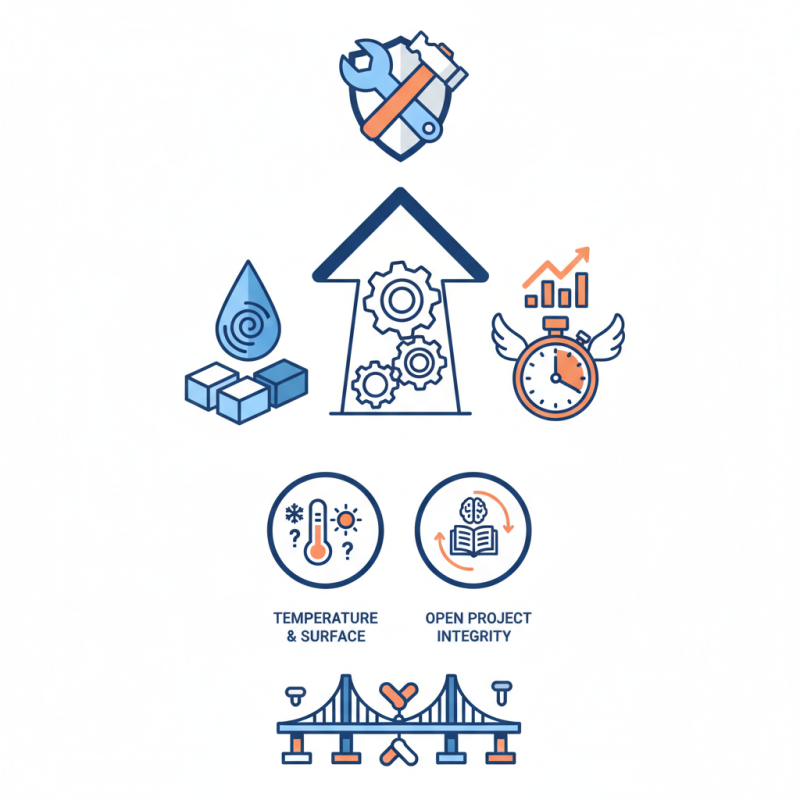
This adhesive type enhances the integrity of various building projects. Unlike traditional methods, Construction Adhesive eliminates the need for nails or screws in certain applications. The ease of application can speed up the workflow, leading to increased productivity. However, one must consider the limitations of temperature and surface suitability when selecting this adhesive.
Industries are constantly evolving, yet not all projects utilize Construction Adhesive effectively. Some professionals remain hesitant, often clinging to outdated methods. A careful evaluation of materials is crucial. Embracing modern construction adhesives can lead to better efficiency, but it requires an open mind and willingness to adapt.
Benefits of Using Construction Adhesive in Building Projects
Construction adhesive plays a vital role in building projects. Its versatility is unmatched, bonding various materials like wood, metal, and concrete. According to a report by the Adhesive and Sealant Council, the construction adhesive market is projected to grow significantly, with a forecast increase of approximately 5.4% annually over the next five years. This growth shows that more professionals recognize the benefits of using construction adhesives.
One key advantage is the speed of application. Traditional methods, such as screws and nails, can be time-consuming. Adhesives allow for quicker assembly. In many cases, they provide a strong bond within minutes. This can lead to labor cost savings. Furthermore, the flexibility of construction adhesives reduces the risk of joint failure, which is crucial in dynamic building environments.
However, not every project benefits equally from adhesives. Certain conditions, such as high humidity or extreme temperatures, can affect bond strength. Builders must evaluate their specific scenarios. They should consider various adhesive formulations to ensure the right choice. Identifying the appropriate adhesive can be a process of trial and error. Making informed decisions requires time and research. Yet, the rewards of enhanced efficiency and durability make construction adhesives an option worth exploring.
Comparative Strength: Adhesive vs. Mechanical Fasteners in Construction
When it comes to construction, adhesive choices make a difference. Adhesives offer remarkable bond strength compared to traditional mechanical fasteners. According to industry reports, adhesives can achieve shear strength ratings above 2,500 psi. Meanwhile, many mechanical fasteners typically reach around 1,500 psi. This significant difference showcases why adhesives are gaining popularity in modern construction projects.
Tips: Always test the adhesive under actual conditions before full application. This ensures appropriate performance for your specific materials and environment.
Mechanical fasteners can loosen over time. They depend on the mechanical tension to maintain integrity. In contrast, adhesives provide a consistent bond. They fill gaps and create a seamless connection. Studies indicate that adhesives can resist fatigue better than screws or nails. However, improper application can lead to potential failures. Precise surface preparation is critical for optimal adhesion.
Tips: Ensure surfaces are clean and dry. Follow the manufacturer’s recommendations for curing times to achieve maximum strength.
In some cases, combining both methods may show lesser strengths than anticipated. The complexity might lead to design flaws. It's essential to consider the specific project's demands and potential stresses. Careful planning is key to effective use of adhesives or mechanical fasteners in construction.
Environmental Impact of Construction Adhesives: Safety and Sustainability
Construction adhesives play a significant role in modern building projects. Their environmental impact is a key consideration. Many adhesives are now formulated with sustainability in mind. They often utilize natural materials and reduce volatile organic compounds (VOCs). This shift helps minimize air pollution and improves indoor air quality.
However, the reality isn't entirely positive. Some adhesives still contain harmful chemicals. They can release toxic emissions during and after application. Proper ventilation and safety measures are necessary when using these products. Ensuring safety during installation is crucial. Many builders overlook this aspect, which can lead to adverse health effects.
Moreover, the disposal of construction adhesives poses challenges. Landfills filled with non-biodegradable materials contribute to environmental degradation. While some products may claim eco-friendliness, it's essential to evaluate these claims critically. Responsible choices are important in mitigating negative impacts. A sustainable approach requires careful consideration of both product selection and usage practices.
Key Techniques for Proper Application of Construction Adhesives
When applying construction adhesives, proper technique is crucial. Start with a clean surface. Dust or residue can weaken the bond. Use a scraper or brush to prepare the area. This step may seem tedious, but it pays off later. A solid foundation leads to better results.
Next, consider the adhesive type. Not all adhesives are the same. Some work well in humid conditions, while others do not. Read the instructions carefully. A common mistake is using the wrong adhesive for the job. Always check compatibility with the materials. This might sound simple, but it’s often overlooked.
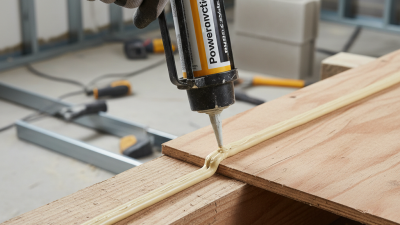
Then, apply the adhesive evenly. Use an applicator for a smooth distribution. Avoid excessive amounts, as this can lead to messiness. Remember to press the materials firmly together. Sometimes, people underestimate this step. A strong grip enhances the bond. Allow sufficient curing time too. Rushing the process can lead to weak joints or failures. Small lapses can cause significant issues down the line.
Why Choose Construction Adhesive for Your Building Projects? - Key Techniques for Proper Application of Construction Adhesives
| Adhesive Type |
Best Use |
Curing Time |
Temperature Range |
Application Method |
| Polyurethane Adhesive |
Wood, Concrete, Metal |
24-48 hours |
-30°C to 100°C |
Squeeze Tube or Cartridge |
| Acrylic Adhesive |
Glass, Metal, PVC |
1-2 hours |
0°C to 50°C |
Brush or Roller |
| Epoxy Adhesive |
Metal, Concrete, Various Plastics |
5-20 hours |
-20°C to 120°C |
Mix and Apply |
| Silicone Adhesive |
Glass, Metal, Ceramics |
24 hours |
-50°C to 150°C |
Caulking Gun |
| Contact Adhesive |
Laminate, Veneer, Flooring |
Immediate to 2 hours |
0°C to 40°C |
Spread with Brush or Roller |
Cost Efficiency: Long-term Savings with Construction Adhesives in Building
Choosing construction adhesive for your building projects can lead to significant cost efficiency. These adhesives often save money on materials. Instead of purchasing costly fasteners or mechanical systems, a quality adhesive can achieve strong bonds in various applications. For example, utilizing adhesive in flooring can minimize the need for additional supports. This not only reduces upfront costs but also simplifies the installation process.
Long-term savings multiply through decreased maintenance and repair needs. Construction adhesive creates durable bonds, which can withstand the test of time. Consider the wear and tear on traditional methods. They may require frequent repairs or replacements. In contrast, adhesive systems often require minimal upkeep. This longevity leads to fewer disruptions on construction sites and saves on labor costs as well.
However, it’s important to be mindful of limits. Not all adhesives are suitable for every situation. Choosing the wrong type can lead to bond failure, causing delays and unexpected expenses. Proper research and testing are crucial to ensure the best outcome. Reflecting on these challenges can help refine your approach and enhance your project's overall efficiency.
Cost Efficiency: Long-term Savings with Construction Adhesives