How to Choose the Best Nail Free Glue for Your Beauty and Craft Projects
When it comes to enhancing beauty and crafting projects, finding the right adhesive can make all the difference. One increasingly popular option is Nail Free Glue, a versatile product that offers a range of benefits for both professionals and DIY enthusiasts alike. Unlike traditional adhesives that often require the use of nails or other fasteners, Nail Free Glue provides a seamless and efficient bonding solution that is perfect for a variety of applications, from nail arts to intricate crafting endeavors.
Choosing the best Nail Free Glue involves understanding its unique properties, such as drying time, flexibility, and adhesion strength. It is essential to consider the specific requirements of your project to ensure that the glue you select will deliver optimal performance. Furthermore, with an array of formulations available, knowing which type of Nail Free Glue suits your needs can significantly enhance your crafting experience while ensuring durability and aesthetic appeal.
In this guide, we will explore key factors to consider when selecting Nail Free Glue for your beauty and craft projects. By providing insights on compatibility, application techniques, and overall functionality, we aim to empower you to make informed decisions and achieve outstanding results in your creative pursuits. Whether you are a seasoned expert or just starting, understanding the nuances of Nail Free Glue will undoubtedly elevate your crafting game.
Understanding Nail Free Glue: Types and Uses
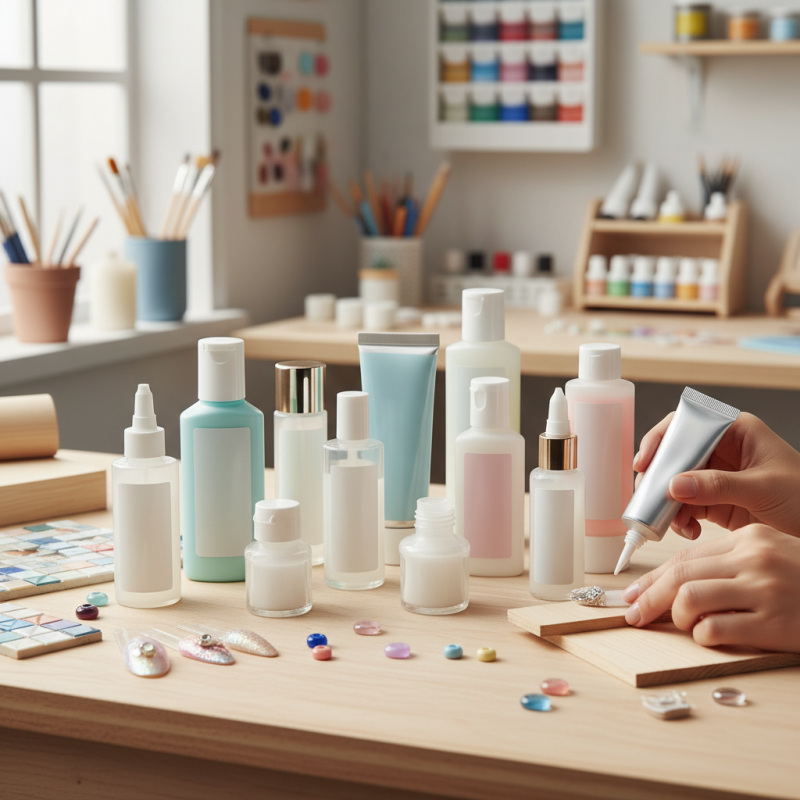
Nail-free glue is a versatile adhesive that has gained popularity in both beauty and craft projects. Understanding the different types and their specific uses is essential for achieving the best results. Common types of nail-free glue include cyanoacrylate glue, flexible glue, and fabric glue.
Cyanoacrylate glue, often referred to as super glue, offers a quick bond for intricate craft projects and temporary beauty applications, such as nails or jewelry. Flexible glue is ideal for scenarios where movement is expected, making it great for things like DIY accessories. Fabric glue is specially formulated for textiles, ensuring a strong yet flexible bond that withstands wear.
When selecting the right nail-free glue, consider the surface material and the intended use. For instance, cyanoacrylate is not suitable for porous materials, while fabric glue will not work effectively on plastic surfaces.
Tips: Always test a small area first to see how the glue interacts with the material. Ensure surfaces are clean and dry for better adhesion and allow adequate drying time to achieve a strong bond. Using clamps or weights can help secure pieces together until the glue sets, providing an even and lasting hold.
Key Factors to Consider When Choosing Nail Free Glue
When selecting the best nail free glue for your beauty and craft projects, it's essential to consider several key factors to ensure optimal results.
First, assess the type of materials you will be bonding. Different glues cater to various surfaces—some are designed specifically for porous materials like fabrics and paper, while others perform better on non-porous surfaces like plastic and glass. Knowing the materials involved will allow you to choose a glue that offers the strongest adhesion and durability.
Another important factor is the drying time of the glue. Depending on your project, you may need a quick-drying adhesive that sets rapidly for efficient workflow or a slower-drying option that allows for adjustments before it cures. Additionally, consider the flexibility of the glue once dry; certain projects may require a bond that can flex and move, while others need a more rigid hold.
Lastly, always check for ease of application, especially for intricate designs in beauty projects, to ensure precision without excessive mess or stress.
Comparing Performance: Strength, Durability, and Flexibility
When selecting the best nail-free glue for your beauty and craft projects, it is crucial to consider its performance in terms of strength, durability, and flexibility. According to a recent industry report, a leading adhesive performance study indicated that adhesives boasting a tensile strength of over 3000 PSI generally provide superior hold for both fabric and embellishments. This means that for projects requiring more robust adhesion, looking for glues with these specifications can ensure that your creations withstand the test of time and use.
Durability is another essential factor. Research shows that adhesives that are water-resistant and UV-stable tend to outperform their counterparts in long-term applications. This is particularly relevant for items exposed to moisture or sunlight, such as outdoor crafts or beauty applications using embellishments. Choosing a glue that maintains its integrity under varying environmental conditions is key to achieving lasting results.
**Tips:**
1. Always conduct a small test on an inconspicuous area before applying the glue extensively to ensure compatibility with your materials.
2. For flexibility, look for glues labeled as "elastic" or "flexible," as these tend to move with the substrate, preventing cracks or breaks.
3. Consider the drying time; quick-drying adhesives may offer immediate results but allow for less repositioning, while longer drying options can give you more leeway in crafting.
Performance Comparison of Nail Free Glue
Safety and Skin Sensitivity: What to Look For in Nail Free Glue
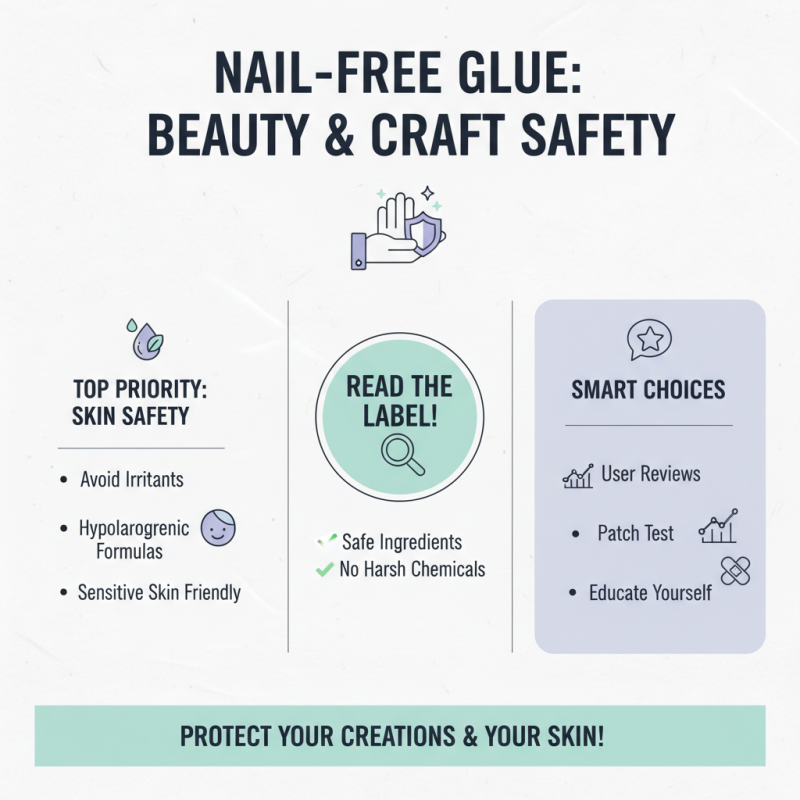
When selecting nail-free glue for your beauty and craft projects, safety should be your top priority, especially concerning skin sensitivity. Many adhesives contain chemicals that may irritate the skin or cause allergic reactions. Therefore, it is crucial to choose a product that is formulated with safe ingredients. Look for glues labeled as hypoallergenic, as they are designed to minimize the risk of skin irritation, especially if you have sensitive skin. Additionally, reading user reviews can provide insights into other people's experiences regarding skin safety.
Another essential factor to consider is how easy the glue is to remove. Some adhesives may bond strongly and could cause damage during removal, presenting a risk to your skin and nails. Opt for nail-free glues that emphasize easy application and removal, allowing you to enjoy your crafts and beauty routines without worrying about skin damage. Moreover, check for any advisories concerning the glue's application method—using a patch test can help assess your skin's reaction before full application. Ultimately, by prioritizing safety and skin sensitivity, you can confidently choose the best nail-free glue for all your needs.
Tips for Application and Storage of Nail Free Glue
When working with nail-free glue for your beauty and craft projects, proper application techniques are crucial for achieving the best results. Begin by ensuring that the surfaces you plan to bond are clean and dry. Dust, oils, or moisture can hinder adhesion, so give them a thorough wipe before applying the glue. For application, use a precision tip or a small brush to control the amount of glue you use. A thin, even layer often provides stronger adhesion than a thick blob, which can take longer to dry and may not bond effectively.
Storage of nail-free glue is equally important to maintain its effectiveness over time. Always ensure the cap is tightly closed after each use to prevent the glue from drying out. Ideally, store the glue in a cool, dry place, away from direct sunlight and extreme temperatures, which can affect its consistency. If your glue has a specific shelf life, keep track of the date you opened it and replace it as needed. Following these tips for application and storage will help you get the most out of your nail-free glue for all your beauty and crafting needs.