China Best Hige Temperature Silicone Sealant for Global Buyers?
In the world of industrial applications, the demand for high-quality materials is crucial. One such material is the High Temperature Silicone Sealant. This product is designed to withstand extreme conditions while maintaining its integrity. For global buyers, selecting the best sealant can be challenging.
China has emerged as a leading supplier of High Temperature Silicone Sealant, offering a variety of options tailored to diverse needs. With advances in technology, manufacturers are producing sealants with enhanced durability and performance. It's essential for buyers to understand the specifications and applications of these products. Not all sealants perform equally. Some might not meet the rigorous standards required for specific applications.
Understanding the unique properties of High Temperature Silicone Sealant is important. Factors such as temperature resistance, adherence to surfaces, and longevity play a significant role. Choosing the right product requires careful consideration. Buyers should seek samples and conduct tests before committing. The growing market presents both opportunities and uncertainties. Engaging with reputable manufacturers can help mitigate risks.
China's Leading High-Temperature Silicone Sealants Overview
China has emerged as a key player in the high-temperature silicone sealant market. According to recent industry reports, the global demand for silicone sealants is projected to reach $10 billion by 2025. High-temperature silicone sealants are crucial in various applications, including automotive, aerospace, and industrial manufacturing. These products maintain their performance in extreme conditions, offering excellent adhesion and durability.
China's leading manufacturers are advancing their technology and production methods. They focus on creating formulas that withstand temperatures exceeding 300°C. A study by a prominent market research company indicates that 70% of high-temperature silicone sealants produced in China meet stringent international standards. This commitment to quality enhances the global appeal of these products.
However, there are challenges within the industry. Some manufacturers struggle with inconsistent product quality due to variations in raw materials. Additionally, rising production costs can impact pricing. As global buyers seek reliable high-temperature silicone sealants, manufacturers must prioritize quality control and innovation. This focus will not only meet current demand but also drive future growth in the market.
Key Features of High-Temperature Silicone Sealants
High-temperature silicone sealants are essential in various industries, including automotive and aerospace. They can withstand extreme temperatures, making them ideal for applications exposed to heat. According to recent industry reports, the global market for high-temperature silicone sealants is projected to grow by 5.5% annually, highlighting their increasing importance.
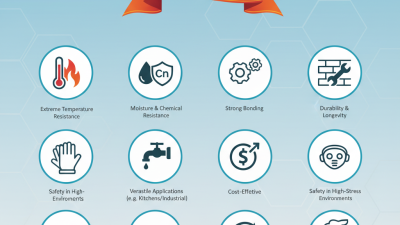
These sealants exhibit excellent adhesion properties and flexibility. They can maintain integrity while exposed to temperatures ranging from -75°F to 600°F. The versatility of high-temperature silicone sealants allows them to be used in numerous applications, from sealing engine components to high-heat industrial equipment. Many formulations may resist chemicals and moisture, enhancing their reliability.
Tip: When selecting a high-temperature silicone sealant, consider the specific temperature range required for your application. Miscalculations can lead to product failure and costly repairs. It’s crucial to assess the environment where the sealant will be applied.
Additionally, users should be aware that curing time varies by product. Some may offer fast curing options, while others take longer. Don’t overlook the importance of thorough surface preparation. Proper cleaning can significantly improve adhesion and longevity. Understanding these nuances will help achieve better results in high-temperature applications.
Applications of High-Temperature Silicone Sealants in Various Industries
High-temperature silicone sealants play a crucial role in numerous industries. Their unique properties allow them to withstand extreme conditions, making them ideal for applications in automotive, aerospace, and construction sectors. According to a recent industry report, the global silicone sealants market is expected to grow significantly, with high-temperature silicones accounting for a substantial portion of that growth due to their versatility.
In the automotive industry, these sealants are often used to secure and protect components under the hood. They endure high heat from engines and resist oil and fluid exposure. A 2022 study showed that about 30% of automotive manufacturers increasingly rely on high-temperature silicone sealants for enhanced performance and reliability. Similarly, aerospace applications demand materials that can withstand fluctuating temperatures and pressures. Sealants used in this field must adhere to strict safety standards and maintain their integrity, even in harsh environments.
Construction and HVAC systems also benefit from high-temperature silicone sealants. These products provide essential sealing solutions in areas exposed to heat or temperature variations. A technical paper indicates that buildings using high-temperature silicone in insulation are more energy-efficient. However, the challenge remains in choosing the right formulation to match specific project requirements. Some products may not perform optimally under all conditions, prompting a need for careful selection and testing.
Quality Standards and Testing for Silicone Sealants
When selecting a high-temperature silicone sealant, adherence to quality standards is crucial. Various tests ensure the sealant performs well under extreme temperatures. Testing parameters typically include tensile strength, elasticity, and thermal stability. These factors directly influence the sealant's longevity and durability in demanding environments.
A common approach involves assessing the sealant's performance under stress. This means examining how it reacts to heat and physical pressure. While many products claim to withstand high temperatures, not all can maintain their properties reliably. Transparency about testing results is essential for buyers. They need assurance that the product can meet their specific needs.
Improper testing methods can lead to unsatisfactory results. Some manufacturers may overlook stringent evaluations. This can create disparities between labeled performance and actual outcomes. Buyers must look for certifications from recognized bodies to ensure the product meets industry standards. In the world of silicone sealants, trust is built on verified performance and consistent quality.
Comparison of Chinese Sealant Brands for Global Buyers
When considering high-temperature silicone sealants, buyers often look toward various Chinese brands. These brands usually boast compatibility with diverse industries, such as automotive, aerospace, and construction. A strong focus on heat resistance is crucial, especially for applications that endure extreme temperatures.
Several Chinese sealant products stand out due to their formulation. They often include additives to enhance thermal stability. While this promises durability, the actual performance may vary. It’s essential for buyers to test the products under their specific conditions. Some formulations may not adhere well to certain surfaces, leading to potential failures in sealing.
Reviews and certifications play a pivotal role in assessing reliability. However, discrepancies in quality control can sometimes arise. Not all brands maintain the same standards, which can affect user experiences. Certain users have reported inconsistencies between batches, highlighting a need for careful evaluation before making a commitment.