Best 10 Outdoor Construction Adhesive Options for Your Projects?
When it comes to outdoor projects, selecting the right adhesive is crucial. An effective Outdoor Construction Adhesive can make a significant difference. These adhesives differ in strength, durability, and application methods. A reliable adhesive will withstand weather conditions, making it essential for outdoor use.
Many options are available in today’s market. Choosing the best one can be overwhelming. Each adhesive has its unique properties. Consider the materials you are bonding. Will it be wood, metal, or plastic? Each application may require different types of adhesives.
Think about your project’s environment too. What weather conditions will your adhesive face? Rain, heat, or cold may affect performance. Reflect on the longevity you need. Finding the perfect Outdoor Construction Adhesive takes time and research. Your choice impacts the overall strength and durability of your project.
Top Features to Consider in Outdoor Construction Adhesives
When selecting outdoor construction adhesives, there are essential features to consider. Start with moisture resistance. For outdoor projects, adhesives must withstand varying weather conditions. Rain or humidity can compromise bond strength. Look for products specifically designed for wet environments. This feature is crucial for longevity.
Next, evaluate temperature tolerance. Changes in temperature can impact adhesive performance. Some adhesives work well in heat but fail in cold. Choose a product that maintains flexibility under different temperatures. This helps in avoiding problematic cracks or breaks over time.
Finally, consider curing speed. Some adhesives cure rapidly, which can be beneficial for quick projects. However, slower curing options allow more time for adjustments. Balancing speed and bonding strength is necessary. Reflect on your project timelines and material compatibility before making a decision.
Types of Outdoor Construction Adhesives: A Comprehensive Guide
When planning outdoor construction projects, choosing the right adhesive is crucial. Various types exist, each with unique characteristics. For instance, polyurethane adhesives are known for their waterproof nature, making them ideal for wet environments. A study by the Adhesive and Sealant Council highlighted that polyurethane can bond effectively on different materials, enhancing project versatility.
Additionally, epoxy adhesives offer excellent strength and durability. They withstand harsh weather conditions, providing a reliable bond. Research indicates that epoxy can endure temperature fluctuations, which is vital for outdoor applications. However, application can be tricky. Proper mixing ratios must be followed, or the bond might fail. Many users overlook this, leading to disappointment.
Silicone-based adhesives are another popular option. They remain flexible after curing, which helps in accommodating movement between surfaces. However, they often take longer to cure, which can delay project timelines. In industries, about 30% of adhesive failures stem from improper selection. Selecting the right type and understanding its limitations can significantly impact project success, even in outdoor settings.
Application Techniques for Effective Use of Outdoor Adhesives
When it comes to outdoor projects, application techniques for adhesives are crucial for success. Proper surface preparation is vital. Clean and dry surfaces ensure better adhesion. Remove dust, grease, and debris. This sets a solid foundation. A report from the Adhesive and Sealant Council states that nearly 30% of adhesive failures involve poor surface preparation.
Temperature and humidity also play significant roles. Ideal conditions usually range between 60°F and 90°F. Applying adhesives in extreme conditions can lead to failures. In fact, a study found that adhesives bond better at moderate temperatures. Additionally, using the recommended spread rates ensures an even application. Too much adhesive can cause oozing, while too little can lead to weak bonds.
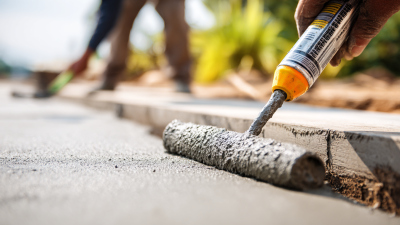
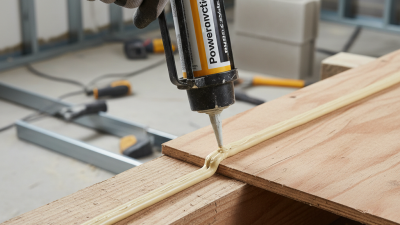
Application techniques matter. Consider using notched trowels or rollers for even distribution. Pressing down firmly helps eliminate air pockets. A slow, deliberate application reduces mistakes. Allow proper curing time according to the manufacturer's instructions. Rushing this step can result in underperformance. Hence, attention to the details in these processes enhances the longevity and effectiveness of outdoor adhesives.
Safety Precautions When Working with Construction Adhesives
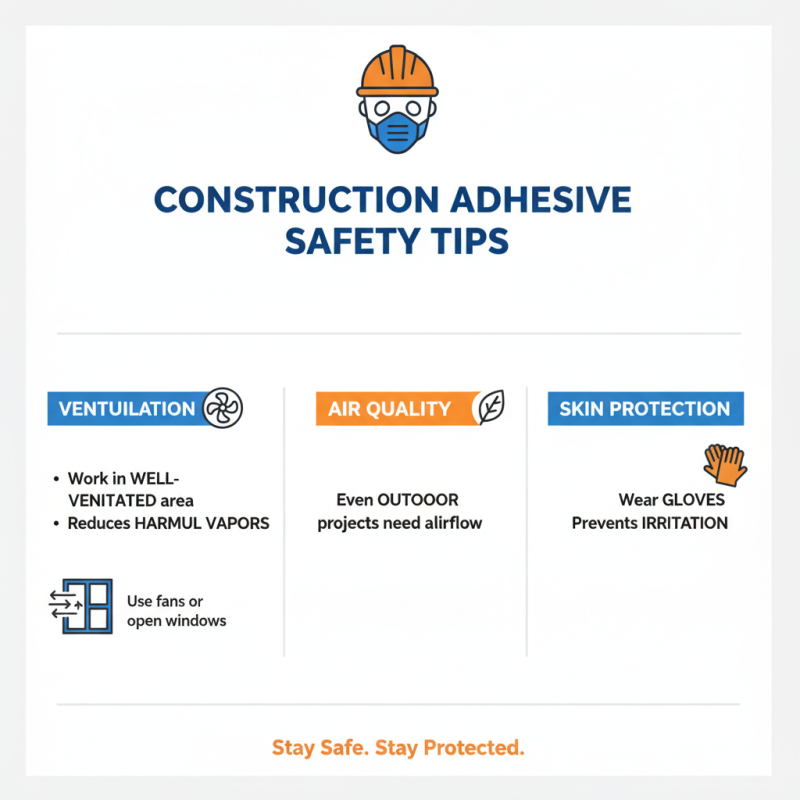
When using construction adhesives, safety is paramount. Always work in a well-ventilated area. Proper airflow reduces harmful vapors. Use a fan or open windows if possible. Even outdoor projects need attention to air quality. Wear gloves to protect your skin. Adhesives can cause irritation, so it’s better to be safe.
Goggles are essential for your eyes. Small droplets can splash unexpectedly. Protect your vision by wearing safety glasses. If you feel any discomfort, take a break. Some adhesives have strong fumes that can cause headaches. Practice caution and know your limits.
It’s important to have a first aid kit nearby. In case of spills, act quickly. Clean up any mess to prevent slips or accidents. If an adhesive gets on your skin, wash it off immediately. Consider using a solvent that is safe for cleanup. Remember, the goal is to have a successful project without injury.
Recommendations for Specific Outdoor Projects and Conditions
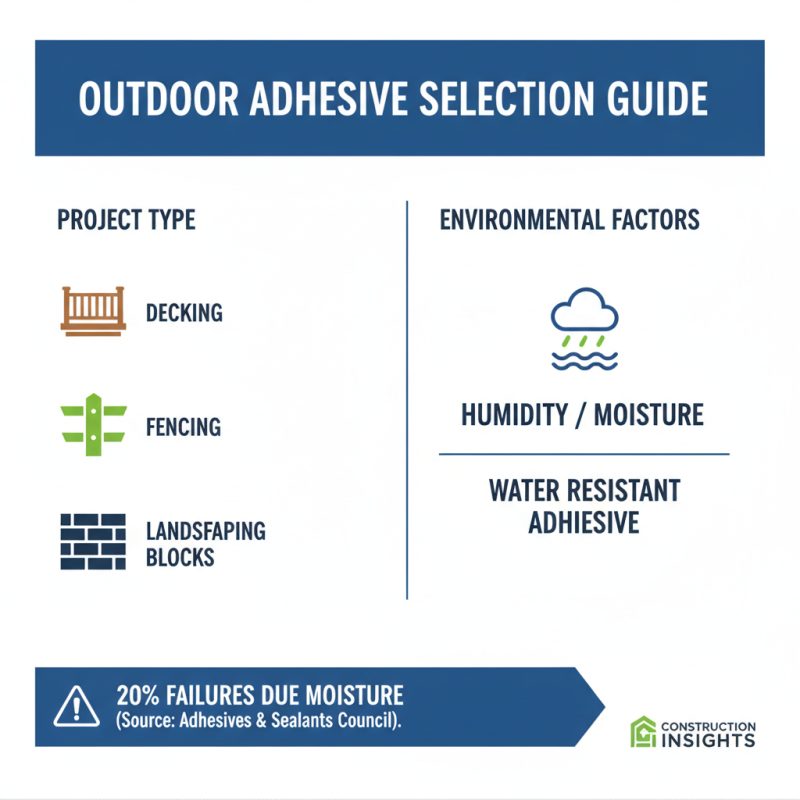
Choosing the right outdoor construction adhesive requires consideration of specific projects and environmental conditions. For instance, humid climates demand adhesives with water resistance. A study by the Adhesives and Sealants Council shows that nearly 20% of adhesive failures in outdoor conditions result from moisture. This underscores the importance of selecting a suitable product for projects such as decking or fencing.
When working on outdoor structures, UV stability is vital. Many adhesives fail when exposed to sunlight, leading to compromised bonds. According to industry data, UV degradation accounts for 15% of outdoor adhesive failures. For instances like roofing or outdoor furniture, look for products designed to withstand UV rays.
Certain conditions also challenge adhesive performance. Temperature fluctuations can weaken bonds. Research indicates that adhesives can lose 30% of their strength when subjected to extreme cold. Understanding these risks is essential for ensuring long-lasting results. Choosing the right adhesive based on these factors may require some effort and testing. It’s important to evaluate the project requirements carefully. Nothing beats thorough testing in real-world conditions.