What is the Best Construction Glue For Wood?
When it comes to woodworking, the right adhesive can make all the difference. Choosing the best construction glue for wood is crucial. According to a recent market report by Adhesive Insights, the demand for wood adhesives is growing steadily, projected to reach $5 billion globally by 2025. This trend underscores the importance of effective bonding solutions.
Expert in the field, Dr. Emily Carter, states, "The right construction glue for wood significantly enhances durability and longevity in projects." This highlights the critical role that high-quality glue plays in woodworking. Many woodworkers overlook specifics like drying time and water resistance, which can lead to disappointing results.
In practical terms, finding the right glue often involves trial and error. It's essential to consider factors like the type of wood and the intended use. Not every construction glue excels under all conditions. Reflecting on past experiences can lead to better choices in adhesive selection. As you dive into this topic, aim for a deeper understanding of what works best for your projects.
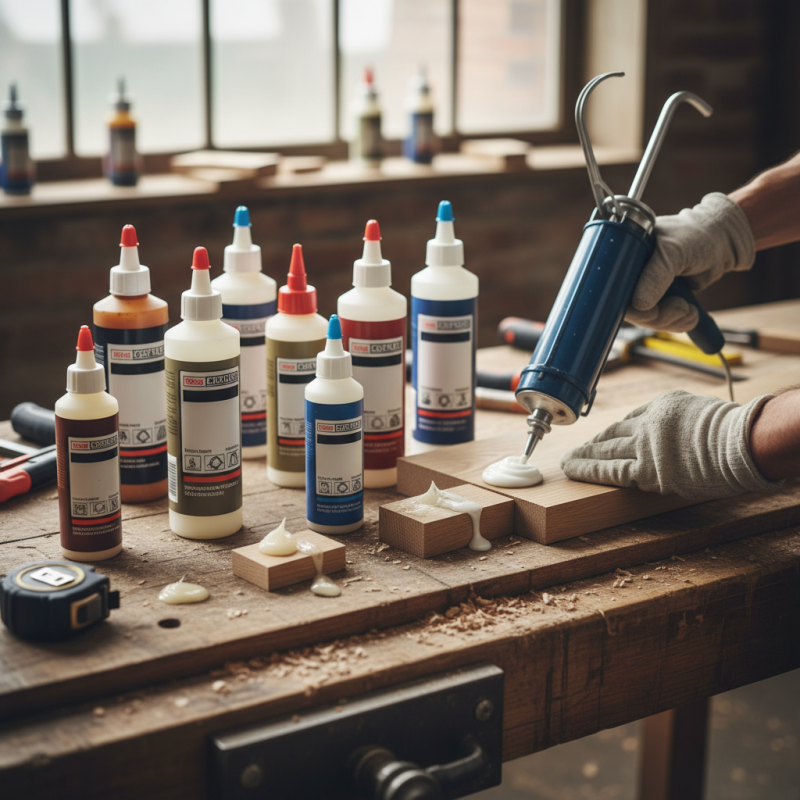
Types of Construction Glue Suitable for Wood Applications
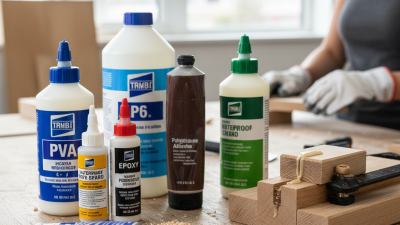
When working with wood, choosing the right construction glue is crucial. Several types of adhesives are ideal for wood applications. PVA glue is a popular choice. It dries clear and provides a strong bond. It's water-based, making it easy to clean up. For outdoor projects, polyurethane glue is a good option. It expands as it dries, filling gaps effectively. This glue is also resistant to moisture.
Epoxy adhesives offer a different set of benefits. They cure into a hard finish, making them great for high-stress applications. However, they can be tricky to use. You must mix the resin and hardener precisely for a proper bond.
Tips: Always test your glue on scrap wood first. This can help you understand how it behaves. Don't rush the drying process. Let the glue cure fully for the best results. Remember, not all glues are equal. Matching the glue type to the project can make a significant difference. Take time to read instructions and learn about your choices.
Best Construction Glue for Wood
This bar chart illustrates the popularity ratings of various types of construction glue suitable for wood applications. Each type of glue is rated on a scale from 1 to 10 based on its effectiveness and user preference.
Key Features to Look for in Wood Construction Adhesives
When selecting construction glue for wood, several key features are vital. A strong bond is essential. The adhesive should provide sufficient shear strength. Reports indicate that wood adhesives with a shear strength of at least 300 psi are effective for structural applications. This means they can withstand significant pressure without failing.
Fluidity is another important factor. The glue should flow easily into joints. This improves coverage and helps fill gaps. A study highlighted that adhesives with a viscosity of 200 to 300 centipoise performed best in penetration tests.
Look for drying times as well. Some adhesives dry quickly, allowing faster project completion. Others might need longer curing periods. A report found that slower-curing glues could bond better over time due to chemical reactions. This variances demand careful consideration depending on the project requirements. Choosing the right glue requires understanding these factors to avoid problems later.
Comparison of Popular Wood Adhesives: Pros and Cons
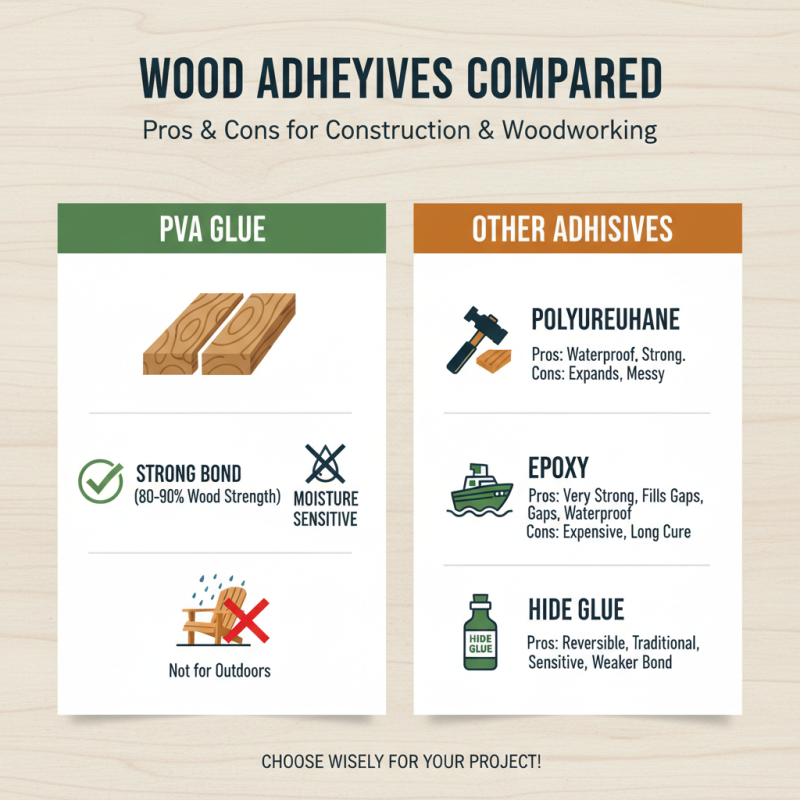
When choosing the best construction glue for wood, users often weigh the pros and cons of various wood adhesives. PVA glue, commonly used in woodworking, offers a strong bond. However, it can be sensitive to moisture. Studies show that PVA adhesives provide around 80-90% strength compared to solid wood. This is impressive but consider the applications—exposed outdoor furniture might not hold as well.
Polyurethane adhesive is another option. It provides a waterproof bond, which is suitable for outdoor projects. Reports indicate that polyurethane glues can expand while curing, which may be unwanted in delicate applications. They often require clamps for proper bonding, adding time to projects. Some woodworkers find the messiness of polyurethane a hassle, making careful application essential.
Epoxy adhesives are known for their excellent strength and durability. Their resistance to heat and chemicals makes them reliable. Data suggests that epoxies can achieve around 90-100% strength of the wood itself. However, the preparation and application process can be tricky. Working with two components requires precision. Rushing this process might lead to failure, so patience is crucial. Each adhesive has its merits and limitations, often leading users to experiment before settling on the right one.
Tips for Using Construction Glue Effectively on Wood Projects
When using construction glue for wood projects, preparation is key. Start by ensuring that the surfaces are clean and dry. Dust, oils, or moisture can significantly reduce adhesive strength. Sanding the wood lightly can help, creating a better surface for adhesion. Always test a small area first to see how the glue reacts with the wood. Sometimes, the results may differ from expectations.
Application technique matters too. Use an even pressure when applying the glue. Too much glue can create a mess and not enough can lead to weak bonds. Clamping the pieces together while the glue sets is crucial. This ensures a strong bond but requires attention. Not all clamps fit every project well, so improvisation might be necessary.
Lastly, be mindful of curing time. Rushing can lead to mistakes. Take the time to ensure the pieces are aligned correctly. If mistakes happen, don’t be afraid to adjust. Learning from each project can make you a better craftsman over time. Remember, even small missteps can teach valuable lessons.
Safety Considerations When Working with Construction Glue
When working with construction glue for wood, safety is paramount. These adhesives contain strong chemicals. Inhalation and skin contact can cause irritation. Always work in well-ventilated spaces to minimize exposure. Use gloves to protect your hands from unwanted reactions. A mask can help if you're sensitive to strong smells.
Tips: Always read the label before use. Look for safety instructions specific to the product. Ensure the workspace is free from flammable materials. Excess glue can occasionally spill. Wiping it up quickly can prevent slipping hazards.
Be mindful of where you store construction glue. Keep it out of reach of children and pets. Sealing it properly can reduce the risk of spills. Sometimes, we forget about the storage after use. Regular checks can prevent accidents.
Remember, safety should never take a backseat in any project.