What are the Best Construction Adhesive Glue Options for 2026?
In the ever-evolving world of construction, choosing the right materials is crucial. Construction Adhesive Glue plays a vital role in building projects, ensuring durability and strength. As we approach 2026, it's essential to examine the best options available.
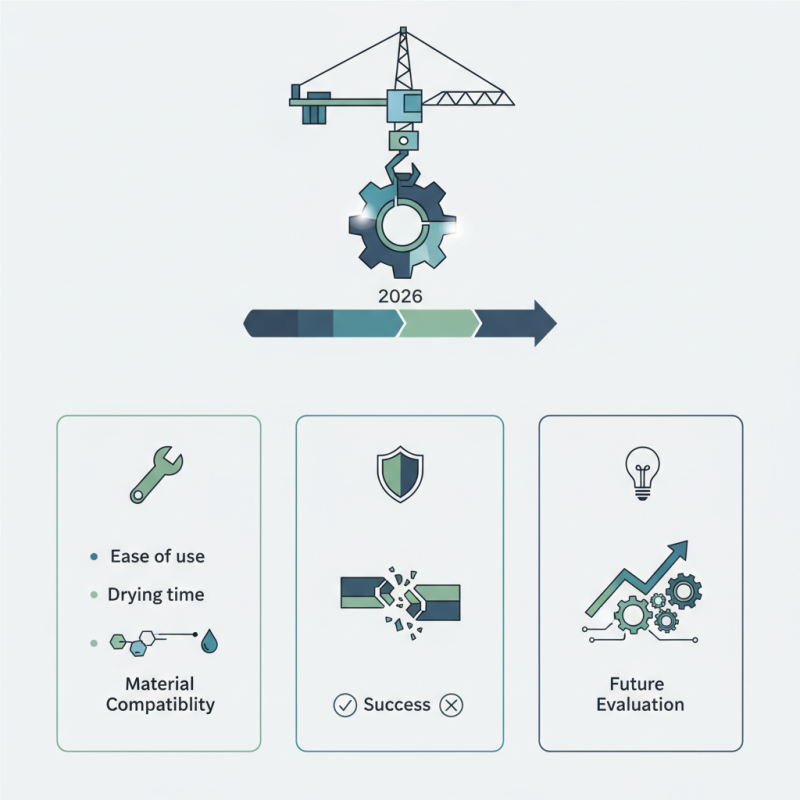
Many products claim superiority, but not all can deliver. Factors such as ease of use, drying time, and the materials they bond together should be considered. A good adhesive can simplify tasks and improve project outcomes. However, selecting the wrong glue can lead to costly mistakes and failures.
In this fast-paced industry, a critical eye is necessary. What works today may not be ideal tomorrow. Trends shift, and innovations emerge. Reflecting on how past choices shaped results can lead to better decisions. The future of Construction Adhesive Glue is promising, but it requires careful evaluation.
Understanding the Importance of Construction Adhesives in Modern Projects
Construction adhesives play a crucial role in modern projects. These adhesives ensure materials bond securely. They provide strength and durability, which is especially important in construction. Using the right adhesive can greatly improve the quality of a build. Many projects fail when the wrong glue is chosen. This can lead to costly repairs and delays.
Modern construction offers various adhesive options. Each type has unique properties and best uses. Some adhesives work best in specific environments, such as wet areas or extreme temperatures. It’s essential to understand these factors. Misestimating the project's needs can damage the overall structure. Common mistakes include neglecting surface preparation or using expired products.
Some contractors overlook the importance of choosing the right adhesive. They may focus more on costs instead of performance. Ignoring the guidelines can result in weak bonds. This could compromise safety and functionality. It’s important to reflect on choices made during the adhesive selection process. Exploring new technologies can also lead to better results in future projects.
What are the Best Construction Adhesive Glue Options for 2026?
| Adhesive Type |
Best Uses |
Cure Time |
Water Resistance |
Flexibility |
| Polyurethane Adhesive |
Wood, Plastic, Metal |
24 hours |
High |
Moderate |
| Epoxy Adhesive |
Metal, Glass, Stone |
6-24 hours |
Moderate |
High |
| Construction Silicone |
Glass, Metal, Plastics |
24 hours |
Very High |
High |
| PVA Glue |
Wood, Paper |
1-2 hours |
Low |
Low |
| Hot Glue |
Fabric, Wood, Plastic |
Immediate |
Low |
Low |
Types of Construction Adhesive Glue: A Comprehensive Overview
Construction adhesive glue has evolved significantly. Various types suit different materials and applications. For instance, polyurethane adhesives are highly versatile. They provide strong bonds for wood and concrete. According to industry reports, these adhesives can withstand extreme temperatures and moisture.
Another popular option is epoxy adhesive. It offers outstanding strength and durability. Its formulation allows for bonding metals, glass, and ceramics effortlessly. However, it can be tricky to mix correctly. A small error in the ratio can lead to weak bonds. Some users may overlook this, resulting in project failures.
Lastly, latex-based adhesives are widely used. They are easy to clean up and less toxic. Despite their benefits, their bond strength may not match others in harsh conditions. Industry studies suggest they work best for indoor projects. It’s crucial to assess each adhesive’s properties before selection. A mismatch can lead to costly mistakes. Understanding these nuances is key for successful constructions.
Best Construction Adhesive Glue Options for 2026
Key Factors to Consider When Choosing Construction Adhesives
Choosing the right construction adhesive is crucial for any project. There are several key factors to consider.
First, the material compatibility matters. Some adhesives work better on wood, while others excel with metal or concrete.
Understanding the surfaces you’ll be bonding is essential. According to a report by the Adhesive and Sealant Council, over 40% of adhesive failures result from poor material match.
Next, curing time is another factor. Fast curing adhesives save time but may not allow enough adjustment. In contrast, slower options provide flexibility during application.
The market trend reports indicate that 30% of consumers prefer a balance between quick setting and adjustability.
Also, environmental considerations are gaining importance. Many builders are now looking for low-VOC or eco-friendly options.
A survey by the Green Building Council showed that about 25% of construction professionals prioritize sustainability in their adhesive choices.
Reflecting on these aspects can lead to better selection. Each project has its unique challenges, and being mindful of these factors is essential for success.
Top Rated Construction Adhesives for Various Building Materials in 2026
When selecting construction adhesives in 2026, compatibility is key. Different building materials require specific adhesive formulations. For instance, wood, metal, and concrete each demand distinct chemical properties for optimal bonding. Recent industry reports highlight that materials like polyurethane and epoxy offer superior adhesion strength for diverse substrates.
The market for construction adhesives is growing, expected to reach approximately $14 billion by 2026, as per recent statistical analyses. Among the top-performing adhesives, polyurethanes stand out due to their flexibility and resistance to moisture. They can bond porous and non-porous surfaces effectively. However, they may require meticulous surface preparation, which can be time-consuming.
Adhesive selection often represents a balancing act. While some options provide impressive durability, others might present challenges in terms of curing time and application precision. Users frequently express frustration over accessibility and drying times. Choosing the right adhesive requires careful consideration of the project requirements and the inherent limitations of each adhesive type. Achieving a strong bond may sometimes necessitate trial and error, ensuring that the chosen adhesive meets both performance and ease-of-use expectations.
Innovative Trends in Construction Adhesives for Future Applications
The construction adhesive industry is evolving rapidly. Innovative materials are emerging that promise enhanced performance. For example, bio-based adhesives are gaining attention. These products use renewable resources, making them eco-friendly. They can replace traditional petroleum-based options.
Another exciting trend is the development of reactive adhesives. These adhesives bond on a molecular level, providing strong and durable connections. They are ideal for challenging environments, such as extreme temperatures or humidity. However, their application requires precision. Sometimes, they cure too quickly, leading to waste.
Smart adhesives, which incorporate sensors, are also on the rise. These adhesives can provide real-time data on structural integrity. They enhance safety and efficiency in construction. Yet, integrating technology into adhesive formulations poses challenges. Not all projects will need this complexity. Balancing innovation with practicality is essential.