What are the Benefits of Using Transparent Liquid Nails?
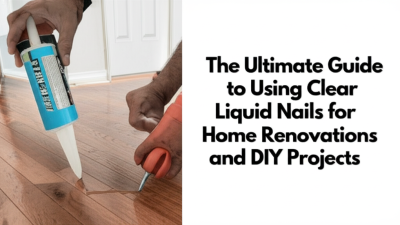
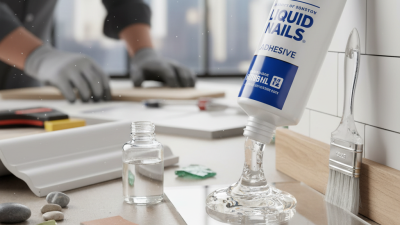
Transparent Liquid Nails have become a favored choice for many DIY enthusiasts and professionals alike. Their clear formula allows for seamless application, ensuring that surfaces remain aesthetically pleasing. This feature is particularly beneficial for projects where appearance matters, like home decor or visible repairs.
Using Transparent Liquid Nails has several advantages. First, their strong adhesive properties ensure a durable bond between various materials. This adaptability makes them suitable for wood, metal, glass, and more. Plus, these nails dry clear, eliminating the worry of visible imperfections in your work. However, it's essential to apply them carefully to avoid excessive smudging.
Another crucial aspect is the ease of use. Transparent Liquid Nails come in a convenient tube, allowing precise application. It's a straightforward solution for bonding that saves time. Nevertheless, it requires a bit of practice to master. Mistakes can lead to wasted material and time. Overall, Transparent Liquid Nails offer a blend of utility and visual appeal, but they also challenge users to improve their techniques.

Understanding Transparent Liquid Nails: An Overview
Transparent liquid nails are a versatile adhesive solution. These products provide strong bonding for various materials. They are ideal for wood, metal, glass, and ceramic. The clarity of the adhesive creates a seamless look. This is especially valuable for visible joints and repairs.
Using transparent liquid nails can simplify many projects. For example, picture frames or home decor can benefit from these nails. Users enjoy a clean finish without unsightly glue blobs. However, the drying time can vary. Some might find they require patience. Over-application could lead to excess adhesive, creating a mess.
It’s essential to follow usage guidelines. Proper surface preparation is crucial for the best results. Not all materials bond well, so a test is wise. In some cases, users may need to adjust their technique. Transparency is a double-edged sword—while it hides flaws, imperfections can become more noticeable during application.
Benefits of Using Transparent Liquid Nails
Key Advantages of Transparent Liquid Nails for Various Projects
Transparent liquid nails offer unique advantages for a variety of projects. One key benefit is their versatility. They bond well with many materials, including wood, metal, and plastic. This makes them ideal for both indoor and outdoor applications. According to a report by the Adhesive and Sealant Council, the market for adhesives is expected to reach $50 billion by 2026. This growth is driven by innovations like transparent adhesives.
These liquid nails also excel in aesthetics. Their clear formula ensures that finished projects maintain a polished look. When used in crafts or home repairs, the absence of color means fewer distractions from your work. It is essential to note, however, that proper surface preparation is crucial. Failing to clean surfaces may lead to a weak bond, resulting in project flaws.
Tips for using transparent liquid nails include applying a thin layer for optimal bonding. Excess adhesive can cause unsightly smudges. Also, ensure even application by using a caulking gun for precision. Finally, allow adequate curing time before stressing the bonded joint. This patience pays off with stronger, longer-lasting results. Remember, not all applications will be perfect; learning from each project is part of the process.
Comparison of Transparent Liquid Nails with Traditional Adhesives
Using transparent liquid nails can be advantageous compared to traditional adhesives. Traditional adhesives often leave noticeable marks or residue. Transparent liquid nails, on the other hand, blend seamlessly with surfaces. This quality is especially useful for visible repairs or artistic projects. You get a clean finish that doesn’t distract from the overall look.
While transparent options are great, they do require careful application. Ensure surfaces are clean and dry for the best bond. A messy application can lead to unsatisfactory results. Take your time and use precision to avoid common pitfalls in using these adhesives.
Tips: Apply in small amounts. This helps control the spread and prevents excess from oozing out. Always test on a small area to see how well it adheres. Adjust based on the results you observe. The clearer the application, the better the aesthetic outcome.
Application Techniques for Optimal Results with Transparent Liquid Nails
Using transparent liquid nails can enhance your project’s outcome when applied correctly. It’s crucial to prepare the surfaces. Make sure they are clean and dry. Remove dust or grease, as these can weaken the bond. According to studies, nearly 30% of failed adhesive applications stem from inadequate surface preparation.
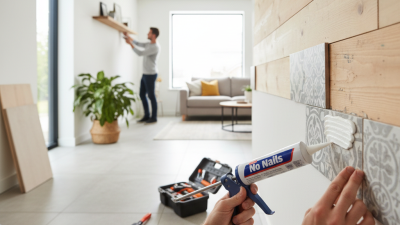
For optimal results, apply the adhesive evenly. Use a caulking gun for precision. A consistent bead ensures that you cover the area well. Press the materials firmly together. Hold them in place for a few seconds. Some experts recommend letting the adhesive cure undisturbed for at least 24 hours.
While clear liquid nails are powerful, improper application can lead to mistakes. If the bond is not strong enough, it may fail when pressure is applied. Additionally, temperature affects curing times. In cold conditions, it may take longer than expected. Keep these points in mind to achieve the best results.
Environmental Impact and Safety Considerations of Using Transparent Liquid Nails
When using transparent liquid nails, it’s essential to consider environmental impact and safety. Many adhesives contain harmful chemicals. These substances may release volatile organic compounds (VOCs) into the air. Prolonged exposure can lead to health issues. Always check for low VOC options. This can minimize potential harm.
Proper ventilation during application is crucial. It reduces inhalation of any fumes. Open windows and use fans for a safer workspace. Disposal of empty containers should also be responsible. Many people disregard this aspect, leading to environmental harm. Follow local guidelines for disposal.
Despite the advantages of bonding and versatility, some users may feel unsure about safety. It's wise to conduct thorough research before using any adhesive. Personal safety gear, like gloves and masks, is often overlooked. These measures can protect against skin and respiratory issues. Reflect on your workspace and practices. Ensure they align with safety standards.