Inquiry
Form loading...

Top 10 Benefits of Using Construction Epoxy Adhesive for Your Projects?

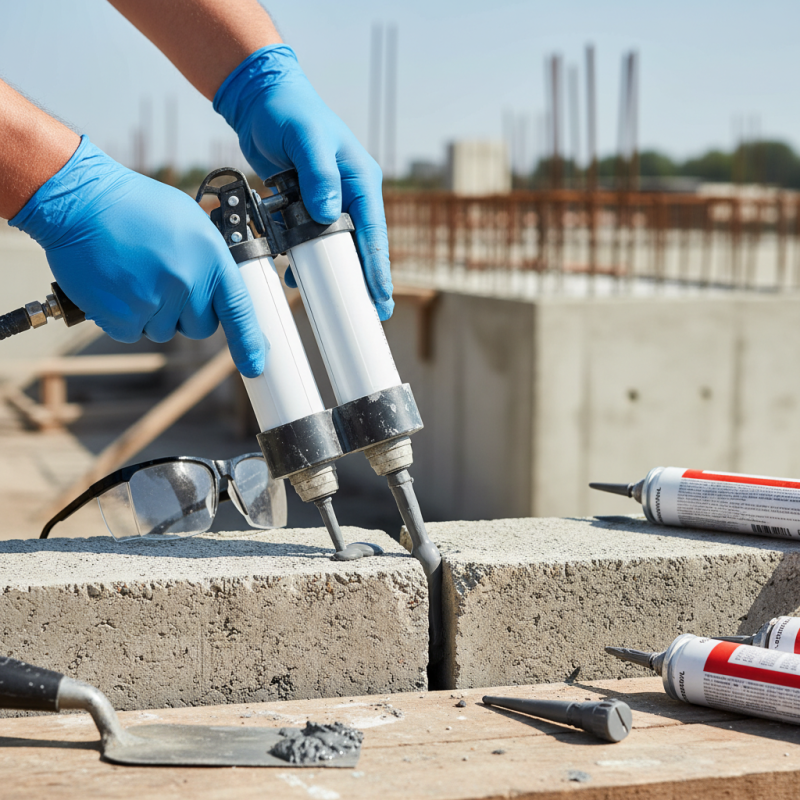
Construction Epoxy Adhesive is a game changer in the world of construction and repairs. Its unique properties make it an ideal choice for a variety of projects. This adhesive offers exceptional bond strength and durability. Contractors and DIY enthusiasts alike appreciate its versatility.

Using Construction Epoxy Adhesive can result in significant time and cost savings. Projects that would typically take longer can be completed more efficiently. This means more time for other important tasks. However, it's essential to utilize it correctly to maximize its benefits. Misapplication can lead to less-than-ideal results, which can be frustrating.

Moreover, the performance of Construction Epoxy Adhesive in harsh environments is noteworthy. It can withstand extreme temperatures and resist chemicals. This is essential for long-lasting repairs. While the advantages are clear, users must remain mindful of application techniques. Mistakes can compromise the adhesive's effectiveness. Exploring these benefits helps highlight why Construction Epoxy Adhesive should be a staple in your toolkit.
Top 10 Benefits of Using Construction Epoxy Adhesive for Your Projects?

Understanding Construction Epoxy Adhesive: A Comprehensive Overview

Construction epoxy adhesive is a crucial material in today’s building industry. This versatile substance boasts excellent bonding capabilities across various surfaces, including concrete, metal, and wood. According to the Global Adhesives Market Report, the epoxy adhesive segment is projected to grow at a CAGR of 6% from 2021 to 2026. This statistic highlights its increasing relevance in construction.

One of the critical features of construction epoxy adhesive is its durability. It can withstand extreme temperatures and resist moisture, making it suitable for outdoor applications. However, improper mixing can lead to inconsistent results. Therefore, ensuring proper ratios and conditions is essential for optimal performance. In addition, its setting time can vary. This factor can either be an advantage or a challenge depending on project demands.

Another noteworthy aspect is the increasingly eco-conscious landscape in materials science. Many epoxy formulations now use recycled materials. This development aligns with sustainable practices in construction. Yet, some products still pose environmental concerns. Research indicates that while many epoxies are effective, they can emit volatile organic compounds (VOCs) during installation. This makes careful selection necessary for health and safety considerations throughout any project.

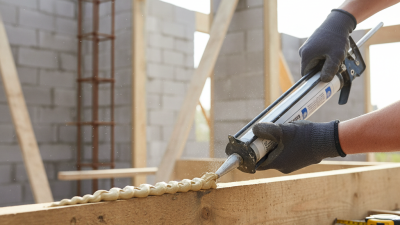
Enhanced Bond Strength: The Leading Advantage of Epoxy Adhesives

Top 10 Benefits of Using Construction Epoxy Adhesive for Your Projects?

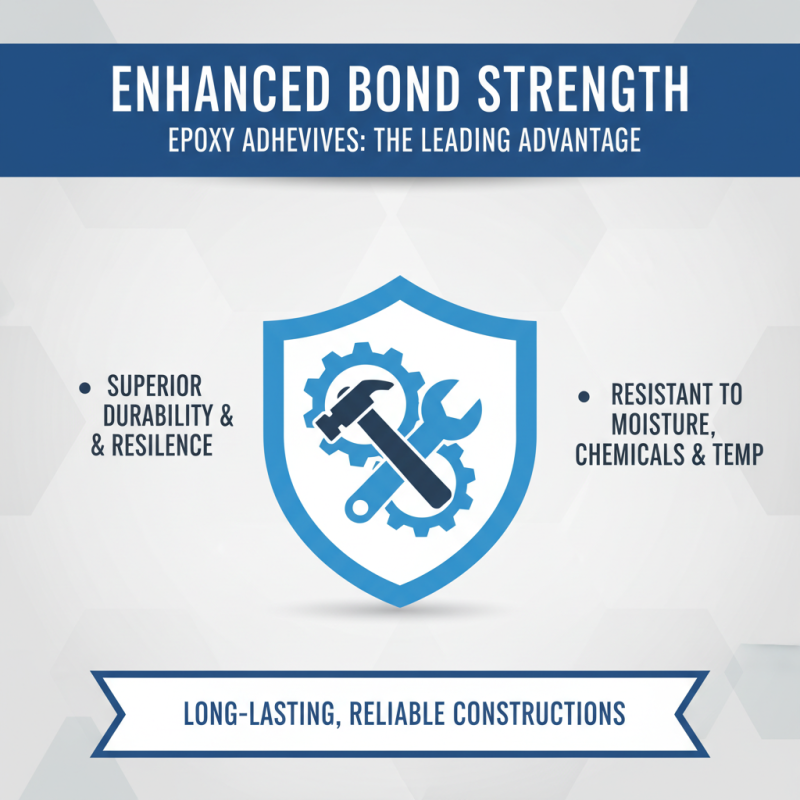
Epoxy adhesives are renowned for their superior bond strength. This advantage makes them a preferred choice in the construction industry. They offer remarkable durability and resilience. Once cured, epoxy creates a solid bond that resists moisture, chemicals, and temperature fluctuations. The result? Long-lasting and reliable constructions.

When using epoxy, the curing time can vary. This may lead to extended project timelines if not planned properly. However, the initial waiting period pales compared to the strength and reliability achieved. Projects that face heavy loads or harsh environments benefit immensely. For instance, in a high-stress application, the difference can be remarkable.

Another consideration is the surface preparation required. Proper preparation can be tedious, but essential for achieving optimal results. It demands attention to detail and may require specialized tools. Despite these challenges, the end result often justifies the effort put in. The ability of epoxy to bond various materials together, from metal to concrete, opens many possibilities in construction.

Resistance to Environmental Factors: Durability in Adverse Conditions

Construction epoxy adhesive stands out for its exceptional durability in adverse conditions. This adhesive can withstand extreme temperatures, moisture, and UV exposure. A recent study by the American Society for Testing and Materials (ASTM) found that epoxy adhesives maintain over 80% of their strength even after prolonged exposure to harsh environmental factors.

This high resistance makes epoxy ideal for projects in unpredictable climates. For example, bridges and buildings often face challenges from wind, rain, and temperature fluctuations. Using epoxy ensures that the bond remains intact, providing structural integrity. However, not all epoxy adhesives perform equally under environmental stress. Factors such as surface preparation and application methods can significantly influence results.

Professionals sometimes overlook the importance of proper application techniques. Inadequate surface cleaning or improper mixing can lead to weaker bonds. The recommendation is to follow manufacturer guidelines closely for optimal performance. Understanding the limits of epoxy’s capabilities is crucial. Integrating this knowledge helps enhance project outcomes when using epoxy adhesives under challenging conditions.

Top 10 Benefits of Using Construction Epoxy Adhesive for Your Projects

This chart illustrates the top benefits of using construction epoxy adhesive, highlighting its resistance to environmental factors and durability in adverse conditions compared to other adhesives.

Versatility in Applications: Where and How Epoxy Adhesives are Used

Epoxy adhesives are known for their versatility in various construction applications. They bond well with different materials, such as wood, metal, and concrete. A study from the American Chemical Society highlights that epoxy adhesives offer a shear strength up to 5000 psi. This strength makes them ideal for structural projects where durability is crucial.

In flooring, epoxy adhesives are used widely. They create a strong bond that withstands heavy foot traffic and wear. According to the Epoxy Resin Manufacturers Association, around 40% of epoxy is utilized in flooring applications. However, improper surface preparation can lead to adhesion failures, underscoring the importance of technique in application.

Additionally, epoxy adhesives find use in marine environments. They resist moisture and chemicals, making them suitable for boat repairs and construction. Despite these benefits, some users report challenges with curing times under certain conditions. This variability can impact project timelines, making proper planning essential. Understanding these nuances helps in leveraging the full potential of epoxy adhesives in construction.

Cost-Effectiveness: Long-Term Savings with Epoxy Solutions

When planning construction projects, cost-effectiveness is crucial. Epoxy adhesives are an excellent choice for long-term savings. Their durability means fewer repairs over time. Many traditional adhesives weaken, leading to additional expenses. Using epoxy can minimize the need for replacements.

Consider a flooring project. A high-quality epoxy adhesive bonds well with multiple surfaces. With its strong characteristics, it can withstand heavy traffic. Initial costs may seem higher, but the extended lifespan offsets this. Fewer maintenance issues equal greater savings.

However, it’s important to apply epoxy correctly. Improper application can lead to failures. Following guidelines and seeking expert advice can prevent mistakes. This careful attention can further enhance cost-effectiveness. A sound investment in epoxy leads to reliable and lasting results in your projects.

Top 10 Benefits of Using Construction Epoxy Adhesive for Your Projects

Benefit Description Cost-Effectiveness
Durability Epoxy adhesives resist moisture and chemicals, providing a strong, long-lasting bond. Less frequent repairs and replacements reduce long-term costs.
Versatility Applicable to various materials, including metals, wood, and concrete. Saves money by minimizing the need for multiple adhesives.
Quick Cure Time Fast-setting properties reduce downtime in projects. Faster completion times can lead to lower labor costs.
Strong Bonding Creates a powerful bond that withstands extreme temperatures and pressures. Reduces the risk of failure in critical applications, saving on future repairs.
Resistance Highly resistant to heat, chemicals, and moisture. Longevity translates into lower overall expenditure.
Ease of Application Can be applied easily, often without special tools. Saves on application costs and reduces project timelines.
Environmentally Friendly Options Many epoxy adhesives offer low VOC emissions. Meeting green building standards can qualify for tax incentives.
Minimal Shrinkage Reduces the risk of joint failure due to differential movement. Lower likelihood of needing repairs translates to cost savings.
Aesthetic Finish Can be painted or colored to match project aesthetics. Avoids additional costs for finishing materials.
Long-Term Performance Proven track record in many construction applications. Reliability can lead to lower overall project costs.